After Khamenei’s Death, Fallout Grows: US Issues Security Alert as Iran Signals Retaliation [US–Iran Conflict]
- Input
- 2026-03-01 09:12:43
- Updated
- 2026-03-01 09:12:43
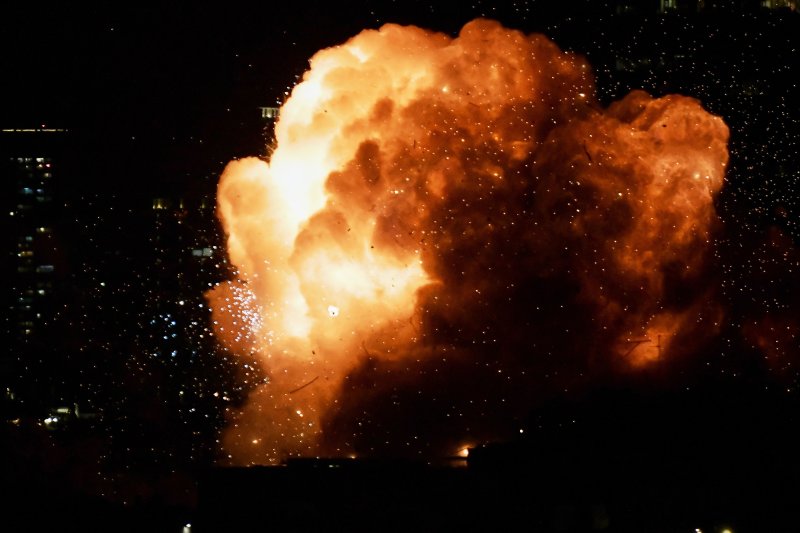
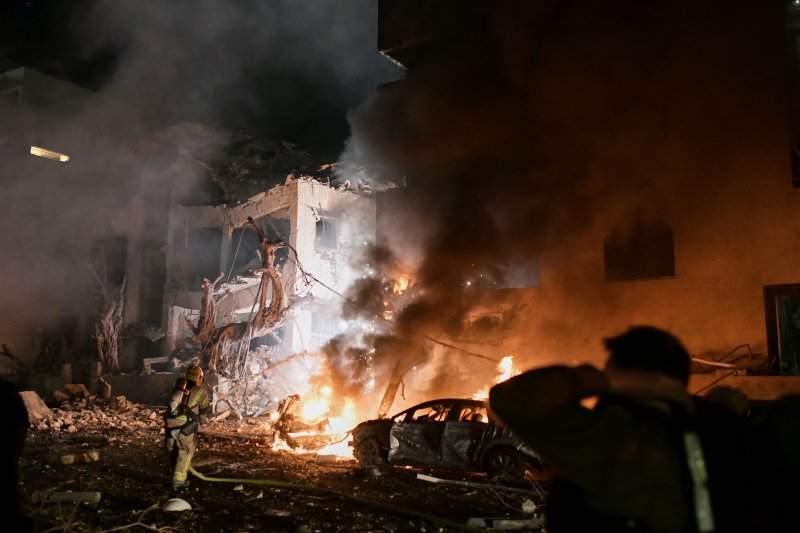
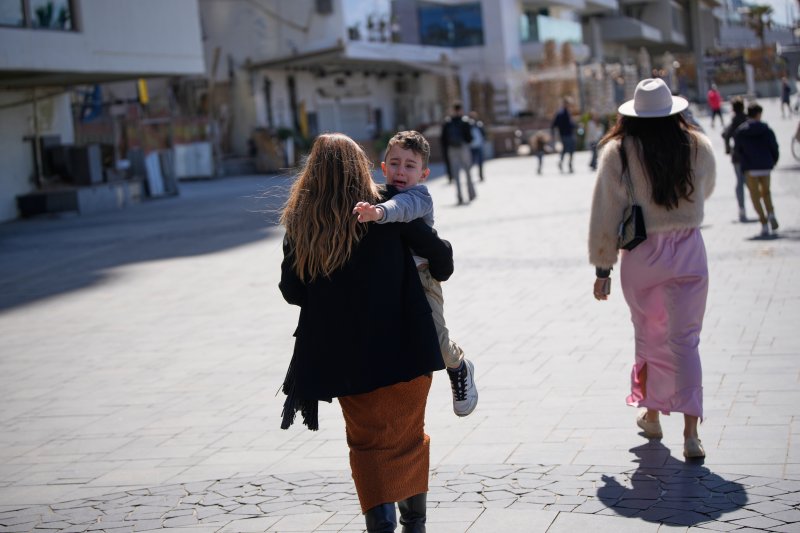
[Financial News] A terrorism alert has been issued after Iran’s Supreme Leader Ali Hosseini Khamenei was killed in a United States (US) airstrike.
Concerns are mounting that the Islamic Republic of Iran could mobilize proxy forces or affiliated terrorist organizations to carry out retaliatory attacks, not only in the Middle East but also across parts of Europe.
According to Cable News Network (CNN), the United States Department of State (State Department) on the 28th (local time) issued a worldwide alert for US citizens. The State Department urged, "Since US combat operations began in Iran, Americans, especially those in the Middle East, should follow the latest security guidance from the nearest US embassy or consulate." It also warned that airspace closures could disrupt travel and called for heightened caution.
The State Department also recommended enrolling in the Smart Traveler Enrollment Program and subscribing to the secure update channel on the WhatsApp messaging application. Officials noted that this is a level of vigilance comparable to the measures taken during Operation Midnight Hammer, which struck Iranian nuclear facilities in June last year.
Western security agencies have long warned that if US military action against the Islamic Republic of Iran escalates, Tehran could turn to the so‐called Axis of Resistance to step up attacks on overseas US bases or Western civilians.
The New York Times (NYT) reported that intelligence services have recently detected a rise in "chatter"—communications among terrorist organizations. While no concrete plots have been confirmed, analysts say signs of a certain level of operational preparation are emerging.
A counterterrorism report by the United Nations Security Council (UNSC) also warned that Al-Qaeda’s leadership has ordered the reactivation of overseas cells, cautioning that the global terrorist threat could intensify.
Meanwhile, hardline voices inside the Islamic Republic of Iran have vowed a strong response. Following Ali Hosseini Khamenei’s death, Ali Larijani, secretary-general of the Supreme National Security Council of Iran (SNSC), declared on social media, "We will make Israel and the US regret their actions." He stressed, "Iranian soldiers and citizens will teach the oppressive forces an unforgettable lesson."
Ali Larijani has been a key power broker trusted by Ali Hosseini Khamenei and has long been viewed as a central figure who could manage the system in times of crisis. He is also seen as having played a leading role in the hardline crackdown during recent anti-government protests.
[email protected] Shin Jin-a Reporter