"Memory Prices Rose Again in February"... DRAM Up 13%, NAND Up 12.7%
- Input
- 2026-02-28 07:00:00
- Updated
- 2026-02-28 07:00:00
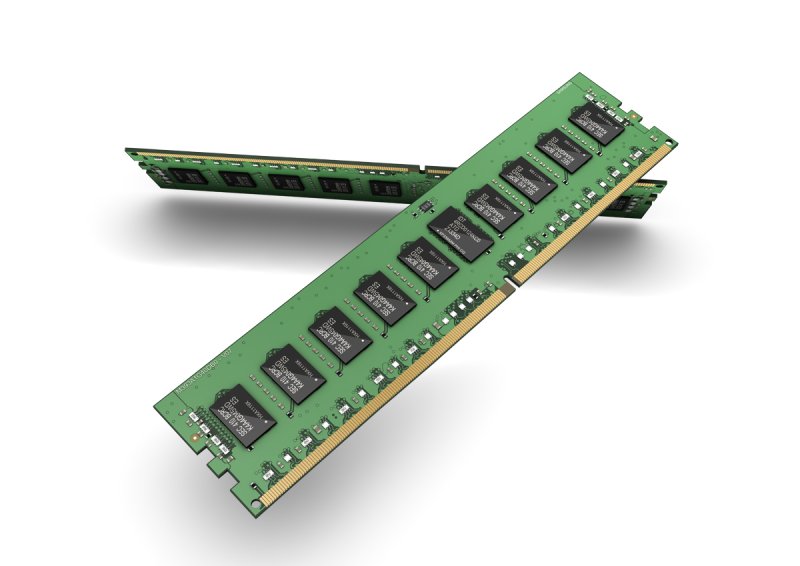
[Financial News] The monthly average prices of dynamic random-access memory (DRAM) and NAND Flash Memory continued to rise in February. Analysts say the surge in PC memory prices, combined with shortages of single-level cell (SLC) flash memory and Multi-Level Cell (MLC) products, is spreading a strong upward trend across the broader market.
According to DRAMeXchange on the 27th, the average February prices for standard PC DRAM products (DDR4 8Gb 1Gx8) and memory card NAND Flash Memory (128Gb 16Gx8 MLC) were tallied at $13 and $12.67, respectively. These figures represent month-on-month increases of 13% and 12.7%. It is the first time that the average prices of both DRAM and NAND have posted double-digit gains at the same time.
The upward price trend has already been underway since last year. DRAM has been on a nearly year-long rise after recording an average of $1.35 in March last year, while NAND Flash Memory has also shown a steady increase since January of last year.
The jump in contract prices for PC DRAM has been particularly striking. TrendForce reports that 8-gigabyte (GB) DDR4 products climbed to $85 and 16GB DDR5 products rose to $140, soaring as much as 120% and 118% from the previous quarter, respectively.
NAND Flash Memory is also showing strength, especially in products made on older process nodes. Single-Level Cell (SLC) products rose about 10% from the previous month. The average selling prices of 1–32Gb products increased roughly 10% year-on-year, and 16Gb and 32Gb products recorded double-digit gains. Even small-capacity 1–4Gb products climbed around 10%, indicating that prices are holding firm in the low-density segment as well.
The rise in MLC prices has been even steeper. Prices for 128Gb products surged 33.9% from the previous month, while 32Gb and 64Gb products rose 29.4% and 21.2%, respectively. This is attributed to continued supply shortages amid expanding high-reliability demand from industrial equipment, automotive electronics, and telecommunications networks.
As prices remain strong, the balance of power in contract negotiations is shifting back toward suppliers. TrendForce noted that in the first quarter of this year, major suppliers such as Samsung Electronics and SK Hynix signed contracts while maintaining higher prices than Micron Technology, thereby driving up overall transaction prices in February. Unlike last year, when some suppliers offered low initial quotes that led to renegotiations, price gaps between suppliers have narrowed this quarter, reducing the likelihood of renegotiation.
Meanwhile, the industry largely expects memory prices to remain strong through the first half of the year. Suppliers are steadily cutting production capacity on legacy process lines, and capacity expansions for MLC flash memory by Taiwan-based companies are seen as insufficient to fully fill the demand gap. With market conditions already improved and continuing to strengthen, many observers forecast further upside potential, particularly for MLC flash memory.
[email protected] Lee Dong-hyuk Reporter