"One car is now a giant smart device"... Next battleground for chipmakers is automotive electronics
- Input
- 2026-03-02 07:29:00
- Updated
- 2026-03-02 07:29:00
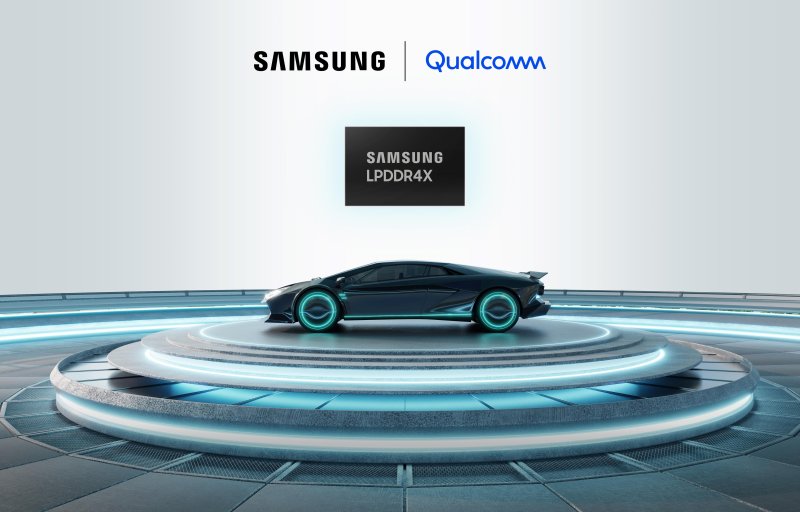
The Financial News reported that as electric vehicles and autonomous driving technologies advance, the number of semiconductors installed in a single car is surging, turning automotive chips into a new global battleground for the semiconductor industry. The market is still smaller than that for smartphones, but the share of high-performance, high value-added products is expanding quickly, and many expect it to become the next major revenue source for Korea’s memory chip makers.
■ Prices of automotive chips jump up to 100-fold
According to industry sources on the 2nd, automotive semiconductors used for advanced functions such as autonomous driving are priced at least 10 times, and in some cases more than 100 times, higher than general-purpose chips. Sujin Kwag, head of division at the Korea Automotive Technology Institute (KATECH), noted, "Standard automotive chips used in Advanced Driver Assistance System (ADAS) functions often cost less than 10 dollars," but added, "High-performance products such as Tesla’s autonomous driving chips or Nvidia’s automotive AI chip 'NVIDIA Thor' are priced anywhere from 100 dollars to over 1,000 dollars." ADAS is a core foundational technology for autonomous driving, enabling vehicles to recognize their surroundings and assist with lane keeping, collision avoidance, and similar functions.
In the past, low-cost chips for basic vehicle control dominated the market. However, with the spread of artificial intelligence (AI)-based autonomous driving and more sophisticated in-vehicle electronics, the market structure is rapidly shifting toward high-performance chips. As electric and hybrid vehicles become more common, cars are evolving from simple means of transportation into "large smart devices." As infotainment systems and autonomous driving features become more advanced, both the number of semiconductors in each vehicle and the volume of data they process are increasing in tandem. An industry insider said, "Demand for in-vehicle electronic equipment and connectivity features continues to grow," adding, "Demand for automotive electronic components and semiconductors is structurally bound to expand over the mid to long term."
In particular, more vehicles now come with built-in dashcams as standard, and infotainment systems are becoming more sophisticated and similar in structure to smartphones. As a result, the amount of storage such as NAND flash memory and dynamic random-access memory (DRAM) installed in cars is rising rapidly. Kwag said, "Infotainment systems are similar to smartphones, so the larger the memory capacity, the better the operating speed and performance," and added, "These structural changes will drive growth in demand for automotive memory."
■ High entry barriers in automotive chips... certification is crucial
The automotive semiconductor market is expected to show strong growth, but the entry barriers are equally high. Because defects in automotive chips can directly lead to safety accidents, they must meet far stricter reliability and stability requirements than semiconductors for general information technology (IT) applications. Certification procedures are also demanding, and the period from development to mass production is long, making it difficult for new players to enter the market in a short time.
Industry observers say that securing various safety and quality certifications in advance is a key strategy, even before competing for market share. In line with this, Korean semiconductor companies are accelerating efforts to obtain certifications ahead of full-scale market expansion. Samsung Electronics has ensured that its automotive processor "Samsung Exynos Auto" meets Functional Safety (FuSa) requirements and has passed the stringent quality standards demanded by automakers. It supports Automotive Safety Integrity Level B (ASIL-B) for enhanced safety and has also obtained certification for a Cybersecurity Management System for Vehicles (CSMS).
SK Hynix is also converting some of the low-power DRAM (LPDDR) and NAND flash memory it originally developed for mobile devices into automotive-grade products and supplying them to the market. Notably, its latest LPDDR5X (Low Power Double Data Rate 5X) automotive DRAM has obtained the highest safety grade under the ISO 26262 Road vehicles — Functional safety (ISO 26262) international standard, demonstrating its reliability.
Jonghwan Lee, Professor of System Semiconductor Engineering at Sangmyung University, stated, "In automotive semiconductors, the reliability of power semiconductors is particularly critical." He added, "Materials technology and durability verification to ensure high reliability are essential, and because certification procedures are complex and take a long time, accumulated technological capabilities ultimately determine competitiveness."
[email protected] Lee Dong-hyuk Reporter