Crypto fraud ring accused of swindling 11.6 billion won from 1,036 victims denies charges at first trial
- Input
- 2026-02-26 14:43:10
- Updated
- 2026-02-26 14:43:10
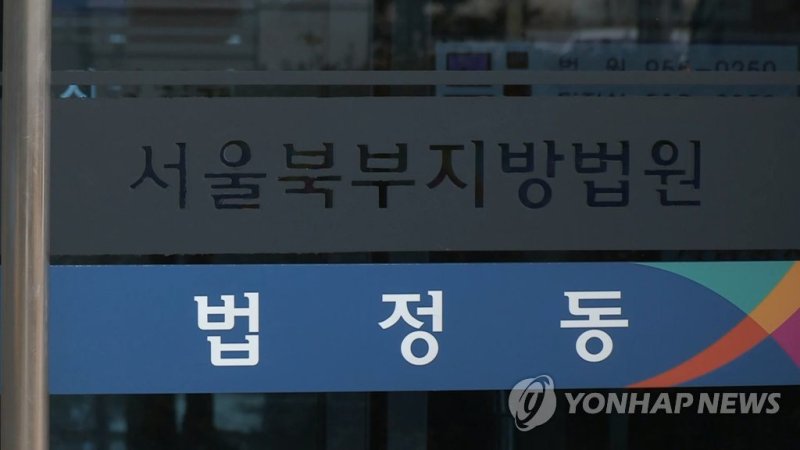
According to the legal community on the 26th, the Seoul Northern District Court, Single-Judge Criminal Division 1 of the District Court (Presiding Judge Jeong Deok-su), held the first hearing for 12 defendants charged with joining a criminal organization and other offenses. One of the defendants did not appear in court.
The defendants are accused of issuing and selling so-called "scam coins," a type of fraudulent virtual currency, between May and August 2022, and defrauding 1,036 investors of 11.6 billion won.
The prosecution service believes they acted under a ringleader and divided roles into a coin issuance team, a coin sales team, and a money-laundering team to carry out the scheme in an organized manner. Among the group was Attorney A, 46, who had appeared on economics-related YouTube channels as a "crypto-specialized lawyer." He was indicted on charges of laundering about 10 billion won in coin sale proceeds and leading the drafting of fake gift certificate supply contracts to prepare for a potential investigation.
The defendants categorically denied the allegations. One defense attorney argued in response to the indictment, saying, "We deny both the facts alleged in the indictment and its underlying premise." Another attorney representing A also contended that the indictment should be dismissed. He stated, "My client’s actions were legitimate legal advice and litigation work performed in his capacity as an attorney," adding, "He never participated in or conspired in the alleged crimes." He went on to stress, "All evidence against the defendant was collected unlawfully and is therefore inadmissible as evidence."
The prosecution service believes the group operated an investment tip chat room to attract investors and listed the coin on overseas cryptocurrency exchanges, where listing requirements are relatively looser than on domestic cryptocurrency exchanges in South Korea. Prosecutors say the ring used a price-manipulation program to rig the coin’s price and imposed a 90-day lock-up condition to maintain the manipulated price, effectively preventing victims from trading the coin at all.
The case came to light after the prosecution service took over a "loan-impersonation small-payment fraud" case from the police in November 2023 and expanded the investigation. Suspects who had initially been referred for a simple fraud case later faced additional charges related to participation in a criminal organization based on the prosecution’s inquiry.
[email protected] Seo Ji-yoon Reporter