"I'm So Glad I Came Here": A Wellness and Gourmet Trip to Jangheung County, South Jeolla Province
- Input
- 2026-02-26 14:08:34
- Updated
- 2026-02-26 14:08:34
This trip, however, is not about literature. Jangheung County is also known as a "land of flavor," where you can enjoy seasonal specialties such as grilled oysters, maesaengi dishes, and Jangheung Samhap, and as a "city of wellness" with healing and retreat facilities like Jeongnamjin Cypress Forest Woodland, the Mind Wellness Healing Center, and the Healing Therapy Center. I visited Jangheung County to feel the sun and wind in unspoiled nature and to taste food grown in its clean seas and fertile soil.
\r\n
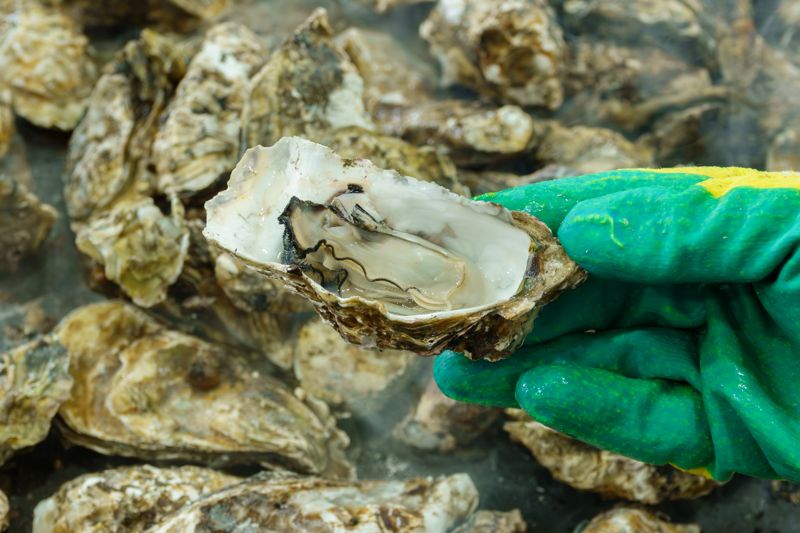
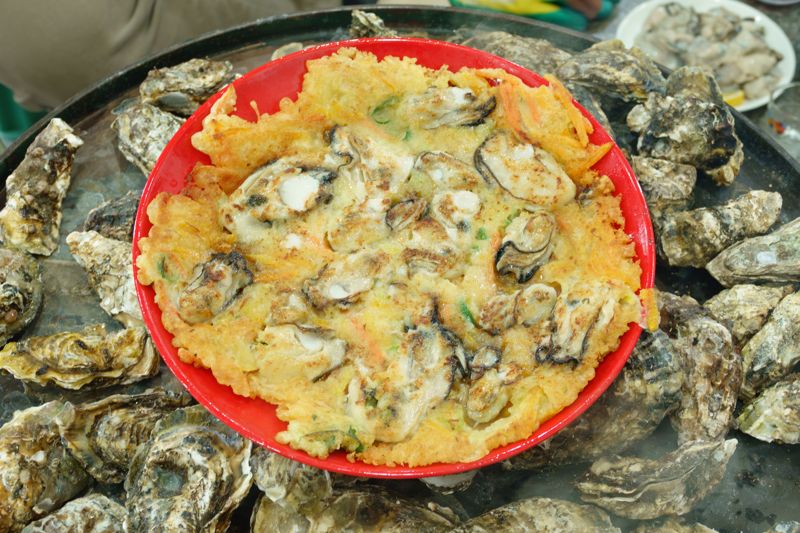
■ Grilled oysters, maesaengi soup, and Samhap: the "Three Delicacies of Jangheung"
Jangheung County is said to have nine landscapes and nine flavors, known as the "Nine Scenic Views of Jangheung" and the "Nine Delicacies of Jangheung." The Nine Scenic Views include Jeongnamjin Cypress Forest Woodland, famed as one of Korea’s best healing forests, as well as Cheongwansan Mountain, Jeamsan Mountain, the Tamjin River, Borimsa Temple, Jeongnamjin Observatory (Jangheung 126 Tower), Sodeung Island, Seonhakdong Village, and Jeongnamjin Saturday Market. The Nine Delicacies feature Jangheung Samhap (a trio of Korean beef, pen shell, and shiitake mushrooms), now a symbol of the region, along with hwangchil chicken soup, sliced raw cuttlefish, grilled oysters, hamo (pike conger eel dishes such as sashimi and hot pot), seasoned clams, doenjang mulhoe, pen shell dishes, and maesaengi soup.
On this trip, I tried three of them: grilled oysters, maesaengi soup, and Jangheung Samhap. For grilled oysters in Jangheung County, it is best to head to Nampo Village, Yongsan-myeon in Jangheung County, South Jeolla Province, or Jukcheong Village, Gwansan-eup. Nampo Village is known for its abundance of wild oysters, and restaurants there use a traditional method of grilling them directly over a wood fire, which brings out a strong smoky aroma and an intense taste of the sea.
Jukcheong Village, by contrast, mainly serves farmed oysters grilled on iron plates. The oysters are plump and clean-tasting, making the area ideal for family visitors. In Jukcheong Village, popular spots include Sae Gyejeol Grilled Oysters, widely regarded as a top grilled-oyster restaurant, as well as Gyeonghwa Ne Gulgui and Ilbeonji Grilled Oyster Restaurant. In Nampo Village, Nampo Susan is the most renowned place to enjoy oysters grilled over a wood fire.
\r\n
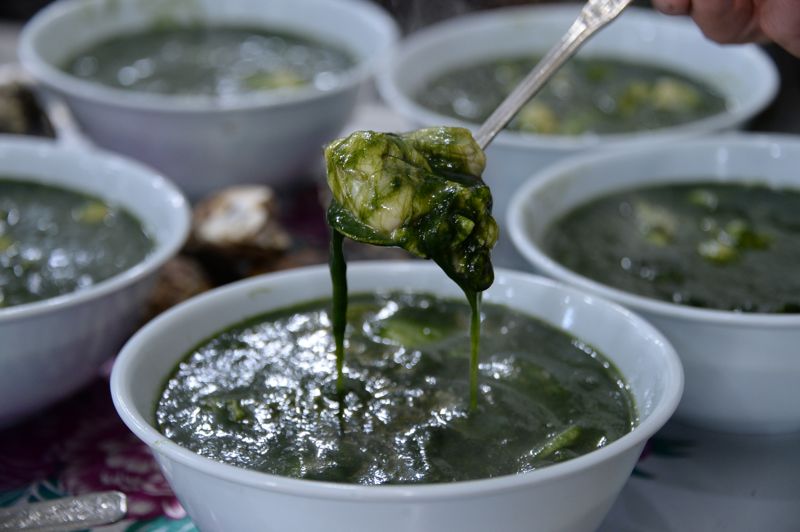
Maesaengi soup also pairs very well with oysters. Most grilled-oyster restaurants serve rice cake soup generously filled with maesaengi and oysters, so it is a good idea to enjoy it alongside your grilled oysters. The finest maesaengi in Jangheung County is said to come from Naejeo Village, Daedeok-eup, but most eateries along the coast serve maesaengi soup. Around Jeongnamjin Saturday Market, there are well-known specialty restaurants such as Myeonghui-ne Restaurant and Kkeunigukjeong.
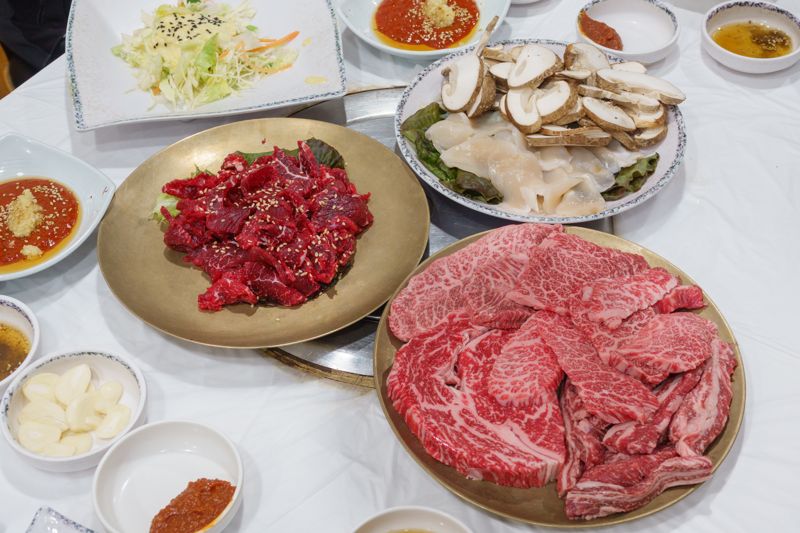
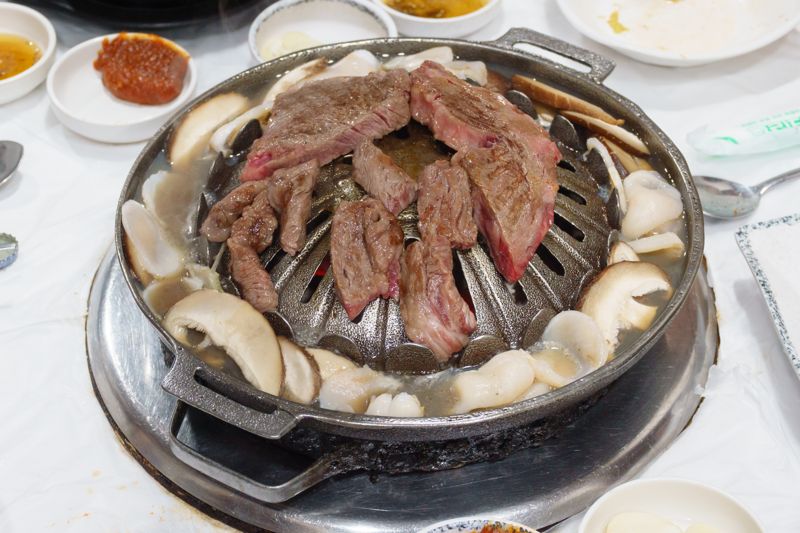
Jeongnamjin Saturday Market is also home to many restaurants that excel at Jangheung Samhap. This dish combines pen shell adductor muscles from rich tidal flats, shiitake mushrooms grown on oak logs, and Korean beef, and has become a must-try local health food for visitors. The order in which you grill the ingredients is key to enjoying Jangheung Samhap at its best. First, place the Korean beef on the grill, then lightly cook the shiitake mushrooms and pen shell in the rendered beef fat, and finally wrap them in lettuce, perilla leaves, or well-fermented kimchi before eating.
■ Practicing mindfulness at Jangheung Healing Therapy Center
Jangheung County is also a first-rate wellness destination, with facilities such as Jeongnamjin Cypress Forest Woodland, which releases abundant phytoncides, the Jeollanam-do Heart Health Healing Center, and the Jangheung Healing Therapy Center, all designed to help visitors rest their bodies and minds.
\r\n
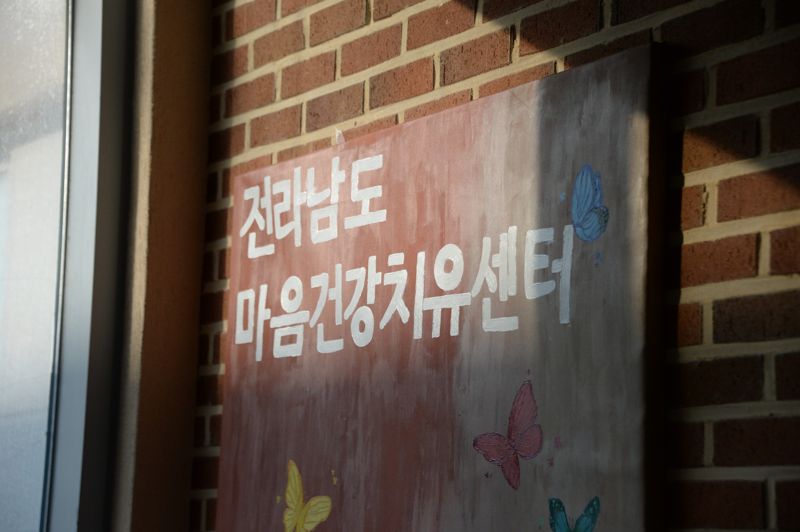
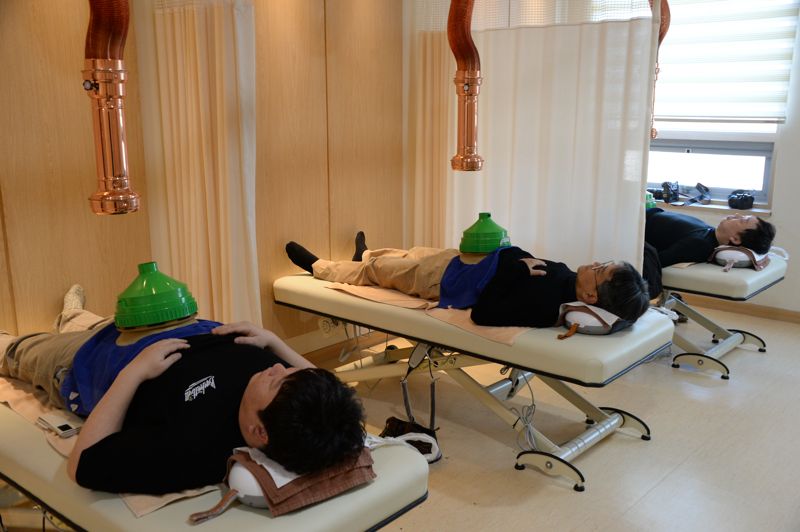
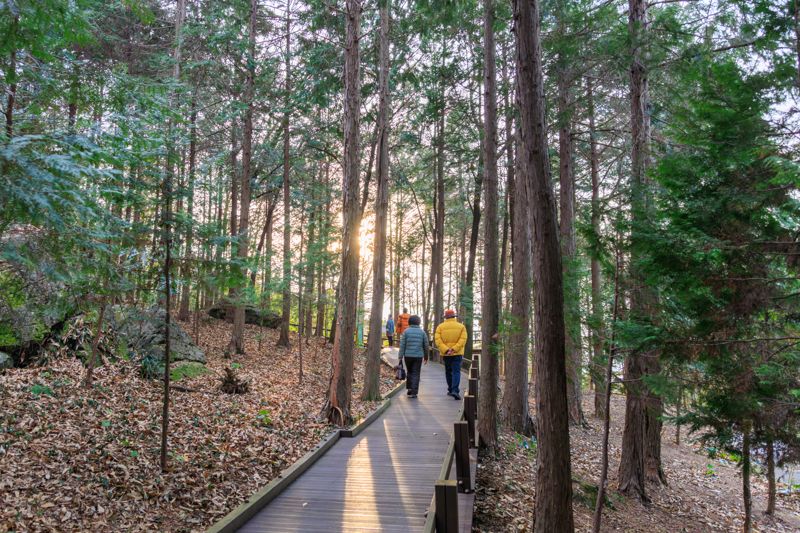
Selected last year as an outstanding wellness tourism site, the Jeollanam-do Heart Health Healing Center is a specialized mental health healing facility located inside Wonkwang University Jangheung Integrative Medical Hospital. It offers a variety of experiential healing programs based on traditional Korean medicine–based integrative care, forest therapy, aromatherapy, and more.
The Mind Wellness Healing Center’s wellness programs are offered in three formats: one-day courses, one-night–two-day courses, and two-night–three-day courses. They combine integrative medicine treatments with healing and therapy sessions and education in Korean traditional medicine. For the one-night–two-day and two-night–three-day options, a forest-therapy program that includes an overnight stay at Jeongnamjin Cypress Forest Woodland is added.
Because the center is located within a hospital, it can provide specialized health checkups that are hard to find at ordinary wellness centers. These include tests for stress levels, body composition, arterial stiffness, active oxygen, pulse waves, and anxiety and depression assessments.
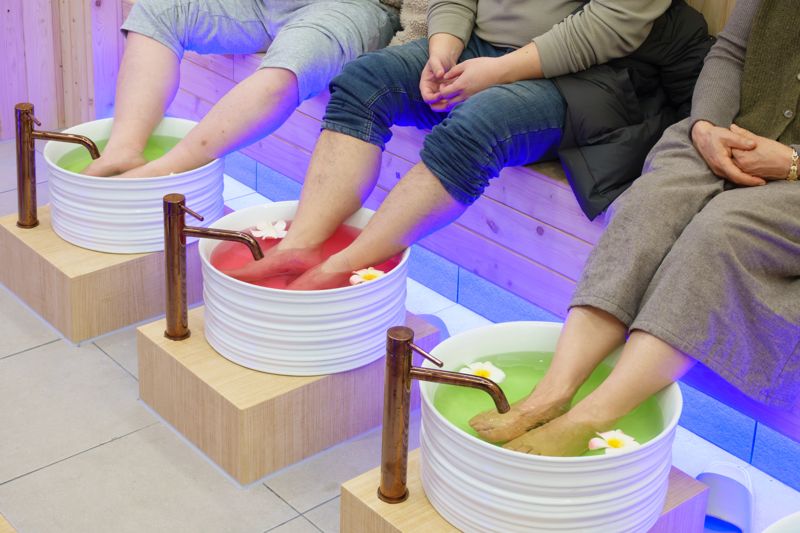
Meanwhile, the Jangheung Healing Therapy Center, located in the heart of Jangheung-eup, serves as a healing space for both local residents and travelers. Operated by the Jangheung-gun New Vitalization Plus Social Cooperative, it offers well-equipped healing-experience spaces based on nature, medicinal herbs, and traditional practices, making it an ideal place for those in need of a full-body and mind detox.
\r\n
The wellness programs offered here range from personalized therapy consultations tailored to individual needs to healing sessions using aromatic and botanical materials, and visitors can join by making a reservation in advance. The center’s signature herbal therapy program is especially popular, as it focuses on relieving stress, relaxing muscles, and calming both body and mind to ease everyday tension.
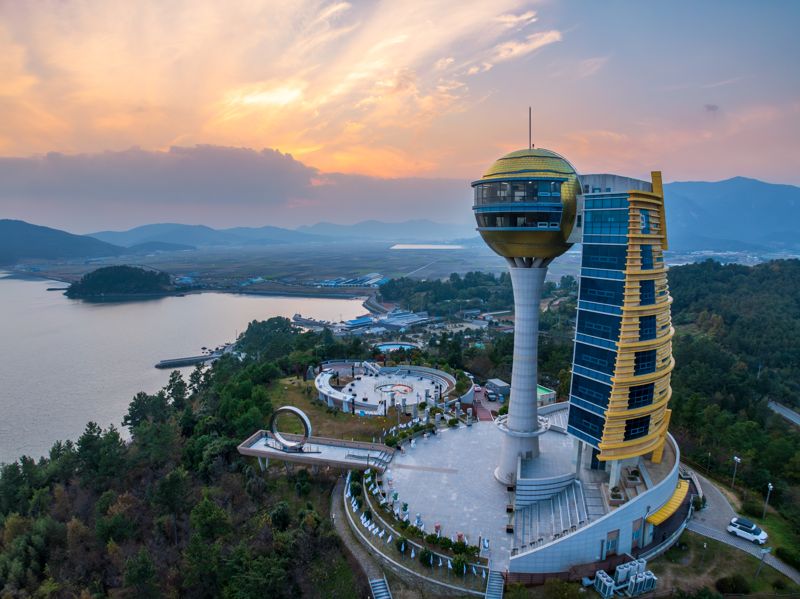
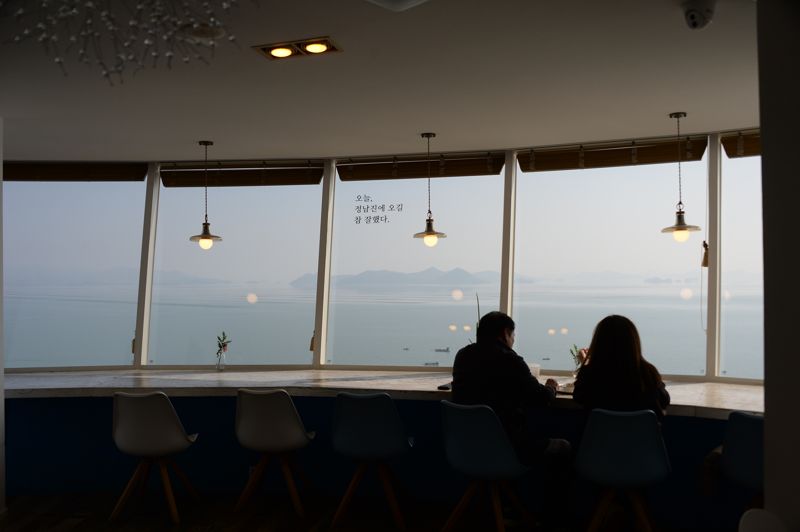
After you have filled up on delicious food and nourished your spirit, head to Jangheung 126 Tower, which rises along the coast of Gwansan-eup. This 46-meter-high observatory was built to highlight the fact that Jangheung County lies directly south of Seoul’s Gwanghwamun. From the 10th floor, the top observatory level, you can take in a sweeping view of Deuknyangdo Island, Sorokdo, Yeonhong Island, Geogeumdo Island, and other islands scattered across the South Sea. "Today, I’m so glad I came to Jeongnamjin." This phrase is written on the glass windows of the observatory overlooking the sea.
jsm64@fnnews.com Jung Soon-min Reporter