Supreme Court: Destroying Evidence of One’s Own Crime, Not Another’s, Is Not Punishable
- Input
- 2026-02-24 14:50:43
- Updated
- 2026-02-24 14:50:43
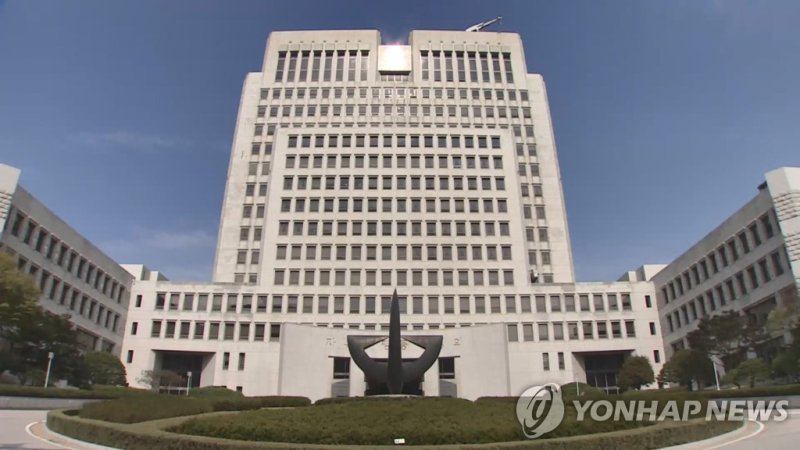
[The Financial News] The Supreme Court of Korea has ruled that a conviction against a defendant accused of destroying evidence in a corporate law-violation case must be reconsidered. Under Korean law, the offense of destruction of evidence applies to another person’s crime, but not to one’s own, because a company’s illegal conduct can also constitute an employee’s own unlawful act.
According to legal circles on the 24th, the Supreme Court Third Division, presided over by Justice Lee Suk-yeon of the Supreme Court of Korea, overturned a lower court ruling that had found defendants A and B guilty of instigating and committing destruction of evidence. The division remanded the case to the Seoul Central District Court.
A, then an executive in charge of HD Hyundai Heavy Industries’ shipyard, instructed his subordinate B between July and October 2018 to destroy evidence related to the company’s violations of the Subcontracting Act. B complied by deleting relevant materials and otherwise carrying out the destruction of evidence.
Charged with instigating and committing destruction of evidence, the two were acquitted at trial in the first instance. On appeal, however, the second-instance court reversed that decision, finding them guilty on the ground that the deletion of evidence could be regarded as relating to “another person’s criminal case.”
Article 155 of the Criminal Act of the Republic of Korea, which defines the offense of destruction of evidence, provides for punishment when a person destroys, conceals, or forges evidence in connection with “another person’s criminal case.”
The Supreme Court of Korea, however, took a different view from the appellate court and held that the defendants may have destroyed the evidence “for their own benefit.”
In interpreting the offense of destruction of evidence, the Supreme Court of Korea stated that the phrase “where the defendant himself or herself will be directly subject to criminal disposition” also includes situations in which the defendant, as an actor in the business of a corporation subject to joint penal provisions, may be punished for that corporate conduct.
In other words, because the company’s criminal conduct can at the same time constitute the individuals’ own criminal conduct, the destruction of evidence may concern “their own case.” In such circumstances, it may fall outside the scope of the Criminal Act’s provision on punishment for destruction of evidence.
[email protected] Lee Hwan-joo Reporter