Trump’s new ‘global tariff’ takes effect, starting at 10%
- Input
- 2026-02-24 14:38:13
- Updated
- 2026-02-24 14:38:13
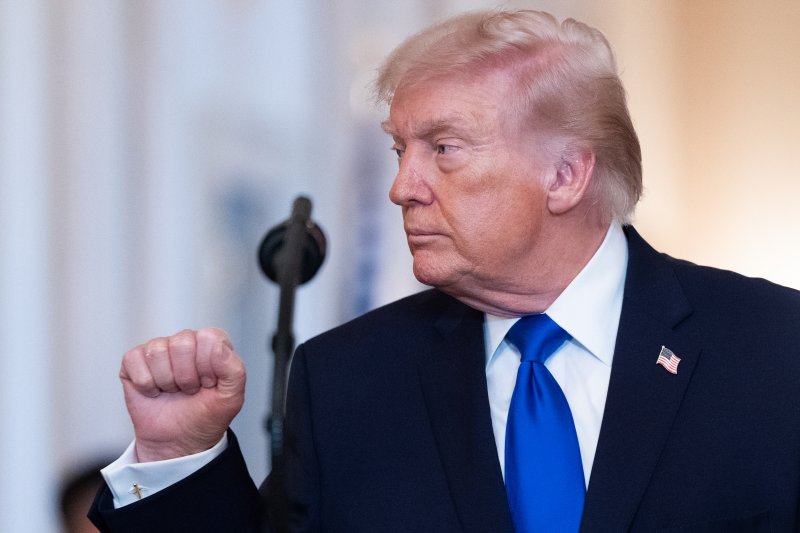
This month, the 10% tariff that Donald John Trump introduced as an alternative to so-called “reciprocal tariffs” officially took effect at 12:01 a.m. on the 24th local time (2:01 p.m. Korea time). The timing for applying the 15% rate that Trump has advocated has not yet been determined.
New tariff takes effect under Section 122 of the Trade Act of 1974
According to National Broadcasting Company (NBC) and other U.S. media, Donald Trump, who signed an additional tariff proclamation on the 20th, did not reverse course before the effective date he had set, the 24th. A potential second Trump administration, which began in January last year, used the International Emergency Economic Powers Act (IEEPA) between February and April of that year to impose “fentanyl” retaliatory tariffs and “reciprocal tariffs” worldwide, targeting both allies and adversaries. On the 20th, the Supreme Court of the United States (SCOTUS) ruled in a related case that imposing tariffs under IEEPA was unlawful.In response, Trump on the same day signed a presidential proclamation, based on Section 122 of the Trade Act of 1974, adding a 10% tariff on all imports. Under that statute, the U.S. president may impose tariffs of up to 15% on imports to address a “serious balance-of-payments deficit,” and such measures can remain in place for 150 days. The current measure is set to expire on July 24.
However, certain key minerals and natural resources, energy-related products, beef and some other agricultural and livestock products, pharmaceuticals, passenger vehicles, and specified aerospace products are excluded. Steel and aluminum products that are already subject to separate tariffs under Section 232 of the Trade Expansion Act of 1962 (Section 232), as well as Canadian and Mexican products that comply with the United States–Mexico–Canada Agreement (USMCA), are also exempt from this additional tariff.
On the 21st, Trump claimed on the social media platform Truth Social that the applicable rate under this measure would be “immediately raised to 15%,” but he has not signed any official follow-up document to that effect.
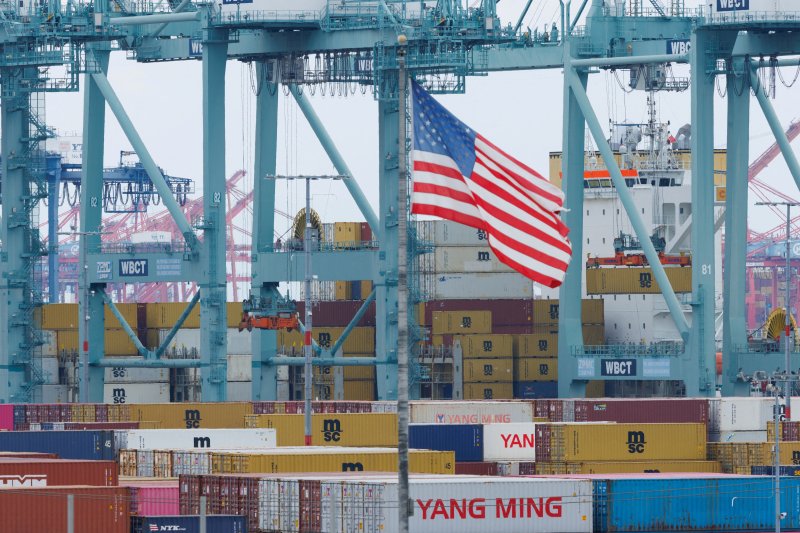
Starting at 10%; timing of a hike to 15% remains unclear
NBC reported on the 23rd, citing officials, that U.S. Customs and Border Protection (CBP) sent notices to importers before implementing tariffs under Section 122 of the Trade Act of 1974. In the notice, CBP stated that the initial tariff rate would be 10% and that it would apply to all countries for 150 days unless specifically exempted. A White House official confirmed this information to NBC.According to the official, the new tariff will start at 10%, but the Trump administration is preparing a separate order to raise the rate to 15%. The official added that the president’s signature would be required for such an increase and that no specific date has been set for when the higher rate might take effect.
South Korea previously secured a 15% rate in its reciprocal tariff negotiations with the United States. However, if the new tariff under Section 122 of the Trade Act of 1974 is raised to 15%, some countries could be worse off than under the existing reciprocal tariff regime. According to Global Trade Alert (GTA), an independent trade-monitoring body based in Switzerland, the United Kingdom’s average tariff rate would rise by 2.1 percentage points (p.p.) compared with reciprocal tariffs, and the European Union (EU) would see an increase of 0.8 p.p. By contrast, Brazil’s average tariff rate is projected to fall by 13.6 p.p., the largest expected reduction. China is also expected to see a 7.1 p.p. decrease.
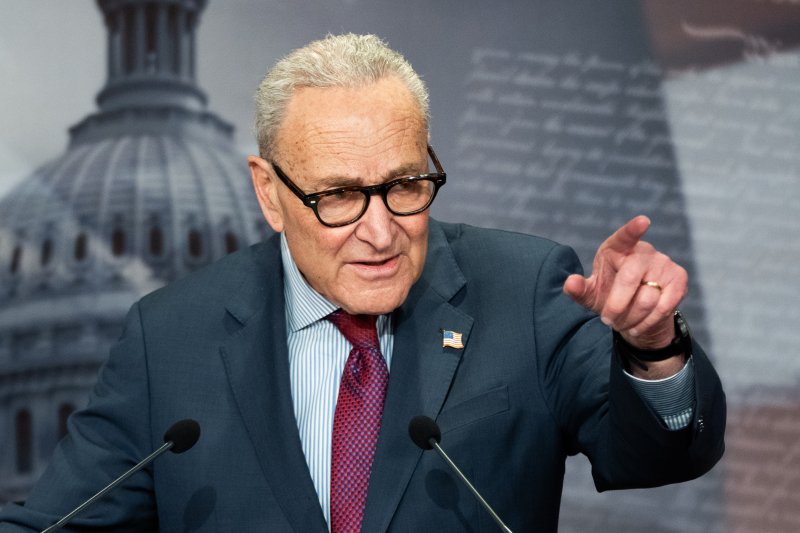
To extend tariffs under Section 122 of the Trade Act of 1974 beyond July 24, Trump would need the consent of Congress. Senate Majority Leader Chuck Schumer of the Democratic Party of the United States, who represents the State of New York, wrote on X on the 23rd, "Senate Democrats will block any attempt to extend Trump’s tariffs when they expire this summer." Foreign media have previously reported that Trump could use Section 122 of the Trade Act of 1974 to buy time and then introduce other tariffs once investigations into foreign unlawful practices under Section 301 of the Trade Act of 1974 or Section 232 are completed.
[email protected] Reporter Park Jong-won Reporter