[Editorial] Ruling Against U.S. Tariffs Must Be Met With Cool-Headed Measures to Protect National Interests
- Input
- 2026-02-22 19:14:51
- Updated
- 2026-02-22 19:14:51
Since taking office last year, President Trump has declared the United States’ large trade deficit a national emergency and has imposed reciprocal tariffs on countries around the world, consisting of a 10% base tariff plus country-specific additional rates. He has used this to underscore his political message of improving the trade balance and reviving manufacturing. However, this ruling shakes the core pillar of his tariff policy and saddles him with significant political burdens. It could also disrupt his plans to use tariff revenues to fund various policy initiatives ahead of the November midterm elections.
This does not mean, however, that the tariff risks that have weighed on global trade will disappear overnight. Immediately after the ruling, President Trump announced that he would impose a 10% provisional tariff on the entire world under Section 122 of the Trade Act of 1974, and a day later he said he would raise that rate to 15%. He also left open the possibility of imposing additional tariffs after separate investigations during the provisional tariff period. Other legal tools were mentioned as well, including Section 232 of the Trade Expansion Act of 1962 (Section 232), Section 201 of the Trade Act of 1974, and Section 338 of the Tariff Act. In effect, the administration has made clear its intention to mobilize virtually every available trade pressure card to maintain a high-tariff stance.
At present, the reciprocal tariff rate applied to Korea stands at around 15%. This was reduced from the original 25% level during the United States–Korea Tariff Negotiations in July last year, in exchange for large-scale investment commitments in the United States. Although the SCOTUS ruling has nullified reciprocal tariffs based on IEEPA, the newly introduced provisional tariffs at the same level mean that companies feel virtually no relief in their actual burden. The legal basis may have changed, but the intensity of trade pressure remains effectively the same.
Moreover, the finding of illegality does not automatically trigger refunds of tariffs already paid. Separate lawsuits must be filed against the U.S. government, but time, cost, and diplomatic sensitivities create high practical barriers. SCOTUS also made no mention of the refund issue. As a result, tariff risks and diplomatic uncertainty originating from the United States are likely to persist for quite some time.
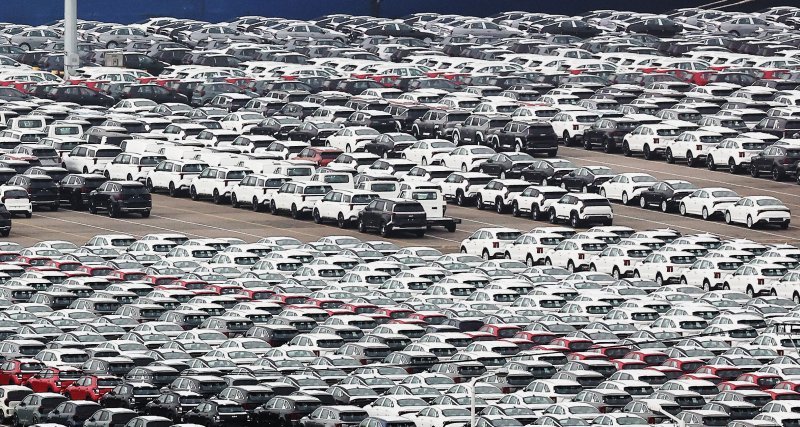
Most importantly, the tariffs applied to Korean automobiles and semiconductors are not based on IEEPA but on Section 232. In a competitive landscape that includes Japan and European Union (EU) member states, a hasty attempt at renegotiation could actually trigger even greater risks. In particular, the United States–Korea Tariff Negotiations are closely intertwined with security issues. Adjusting trade terms could place additional strain on strategic talks over matters such as the introduction of a nuclear submarine or cooperation on nuclear energy.
In this complex situation where trade and security are tightly interwoven, the Korean government must above all guard against impatience. It needs to carefully analyze developments in the United States and other major countries, while rigorously reviewing a range of legal and diplomatic scenarios. Rather than viewing external uncertainty merely as a threat to be avoided, the government should adopt a strategic posture that turns it into an opportunity to diversify supply chains and strengthen technological competitiveness. Only with cool-headed judgment and well-crafted responses can the current situation be turned into a turning point that maximizes the national interest.