"Dokdo is Joseon territory, so why?" Document reveals Japanese official's ritual suicide, yet Japan again marks 'Takeshima Day'
- Input
- 2026-02-22 15:00:00
- Updated
- 2026-02-22 15:00:00
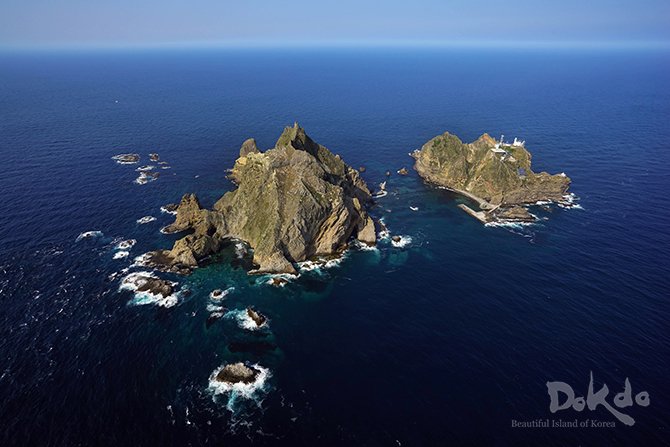
[Financial News] A 17th-century historical record has been discovered showing that a Japanese official committed ritual suicide because he failed to properly control fishing near Dokdo. Nevertheless, Japan has once again used the "Takeshima Day" event hosted by Shimane Prefecture to push baseless claims—from government officials to hardline conservative media—that Dokdo, which Japan calls Takeshima, is Japan's inherent territory.
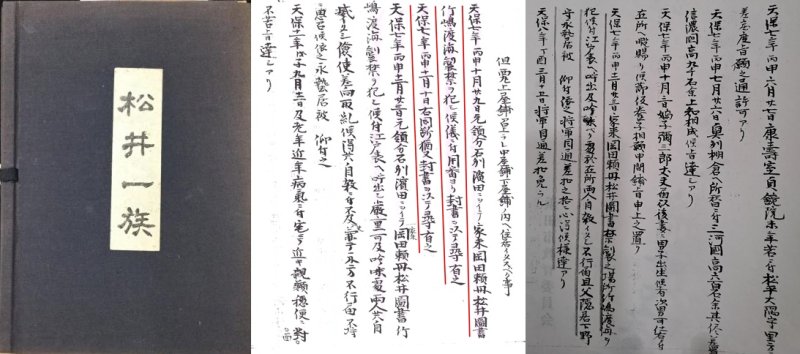
On the 21st, the Korea-Japan Cultural Research Institute announced that it had found records in documents of the Matsui clan stating that Okada Yorimo and Matsui Doro, who served as Machi-bugyō (city magistrates) of the Hamada Domain, committed ritual suicide. The Machi-bugyō was the top administrative official dispatched by the Tokugawa shogunate at the time, roughly equivalent to a modern-day mayor.
"Ban on fishing in Joseon waters... fishermen caught were executed"
According to the documents released by the institute, on January 29, 1696, the Tokugawa shogunate issued an order to fishermen of the Hamada Domain banning them from fishing around Ulleungdo and Dokdo (then called Jukdo), stating that the area was Joseon territory. However, some fishermen secretly continued fishing there in violation of the ban and were eventually caught.
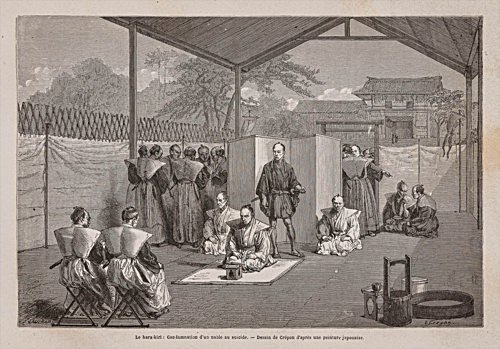
Those fishermen were executed, and the two officials responsible for administration at the time were summoned by the shogunate for interrogation. The records also state that the two administrators, feeling deep responsibility, later took their own lives.
Kim Moon-gil, head of the Korea-Japan Cultural Research Institute, said, "Japan hid these kinds of secret documents for hundreds of years, and even today it still calls Dokdo 'Jukdo' and claims every year on February 22 that Jukdo is Japanese territory. These materials are kept in the Japanese government's document archives."
Japan's claims contradict the historical record
On the 22nd, the hardline conservative newspaper Sankei Shimbun again asserted, in connection with the "Takeshima Day" event, that Dokdo is Japan's inherent territory.
Sankei Shimbun has published editorials on Dokdo every year on Takeshima Day. In an editorial titled "We call for a government-hosted event" published that day, it claimed, "Takeshima is Japan's inherent territory, but South Korea has been illegally occupying it for more than 70 years," and insisted, "South Korea must return Takeshima to Japan."
The paper also argued that since the Edo period, which began in the 17th century, Japan had used Dokdo as a base for fishing operations, and claimed that South Korea unjustly took Dokdo by drawing the so-called Syngman Rhee Line.
The Takaichi Cabinet decided to send a parliamentary vice-minister to the "Takeshima Day" event to be held that afternoon in Matsue City, Shimane Prefecture, following existing practice.
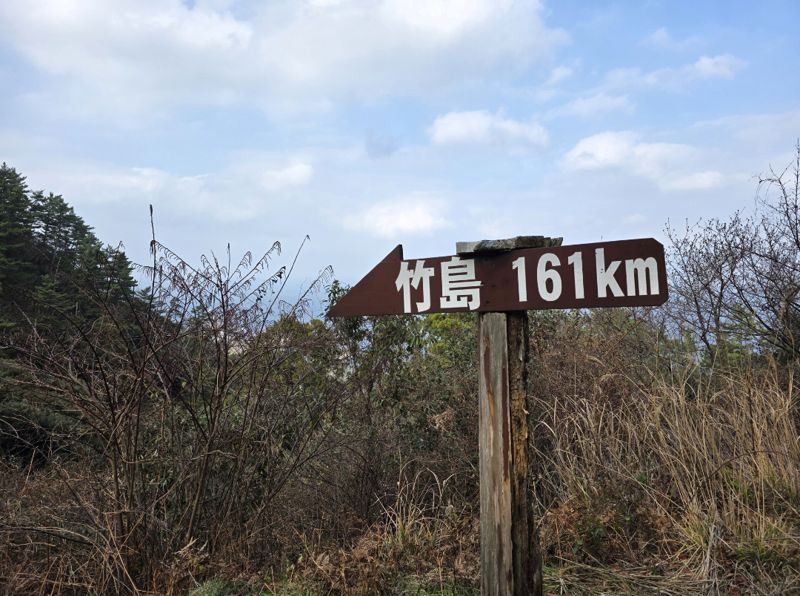
On February 22, 1905, Shimane Prefecture unilaterally issued a public notice incorporating Dokdo into its administrative jurisdiction. To commemorate that date, Shimane Prefecture enacted an ordinance in 2005, on the 100th anniversary of the notice, designating February 22 as "Takeshima Day."
Since shortly after the launch of the Second Abe Cabinet in 2013, the Japanese government has sent a parliamentary vice-minister to the annual "Takeshima Day" ceremony and has continued to assert its unfounded territorial claims. The Government of South Korea has lodged strong protests every year and has repeatedly called for the event to be abolished.
Seo Kyoung-duk, a professor at Sungshin Women’s University, also sent a protest email to Maruyama Tatsuya, governor of Shimane Prefecture, which is pushing ahead with the "Takeshima Day" event.
Professor Seo stated, "Even if you force this event through for more than 20 years, Dokdo will not become Japanese territory," and stressed, "Dokdo is clearly territory of the Republic of Korea in terms of history, geography, and international law." He then denounced the event, saying, "Stop deceiving the Japanese public with false agitation and abolish the 'Takeshima Day' event as soon as possible."
He also attached a video on the history of Dokdo to the email.
Professor Seo noted, "It is true that the 'Takeshima Day' event, which began in a small local city, has now attracted much more attention as many major media outlets report it nationwide in Japan." He added, "Because the event has continued, the Territory and Sovereignty Exhibition Hall was established in Tokyo, and elementary, middle, and high school textbooks now include statements such as 'Dokdo is Japanese territory,' among other outcomes."
He went on to say, "From now on, a firm response to this event is necessary," and argued, "We must strengthen comprehensive international publicity efforts regarding Dokdo."
[email protected] Seo Yoon-kyung Reporter