First Olympic Shutout in 24 Years: What Happened to Korean Speed Skating? [Milan 2026]
- Input
- 2026-02-22 12:00:32
- Updated
- 2026-02-22 12:00:32
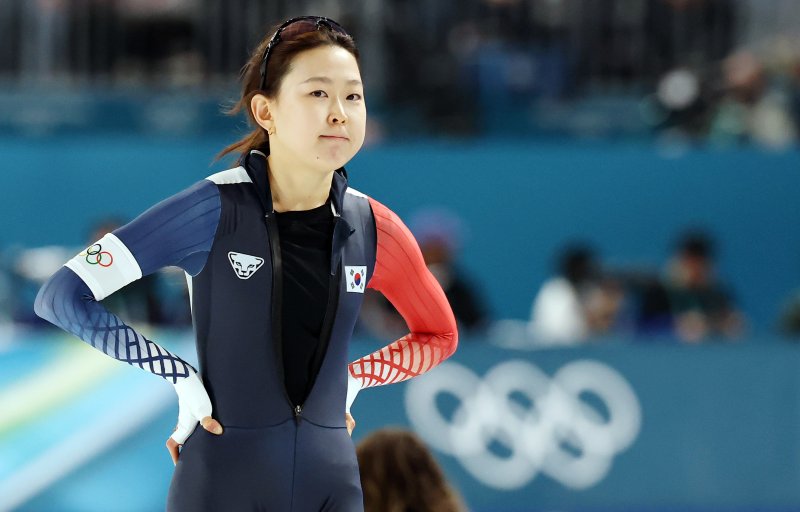
[Financial News] One pillar of Korean ice sports has collapsed. Alongside short track, speed skating had long been a reliable medal source at the Winter Olympics, but for the first time in 24 years it is going home empty-handed.
The Korea national speed skating team failed to add a single medal in the men’s and women’s mass start races held on February 22 (Korea time) at the Milano Speed Skating Stadium in Milan, Italy. As a result, speed skating for the Republic of Korea (South Korea) finished the Games with a “no-medal” record for the first time since the 2002 Salt Lake City Games.
Since Kim Yoon-man’s silver medal in 1992, speed skating has been a point of pride for Korean winter sports. Lee Sang-hwa’s iron-fisted dominance, Lee Seung-hoon’s tactical racing, and Mo Tae-bum’s stunning sprint runs all delivered moments of euphoria to the public. As recently as the Beijing 2022 Winter Olympics, the team claimed four medals and looked firmly competitive.
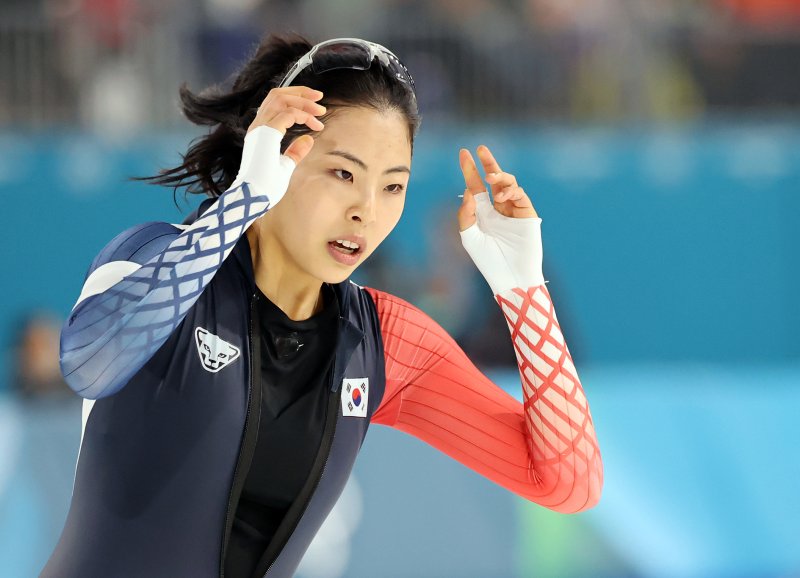
This year’s Milan Games, however, felt shaky from the outset. Because of a failed generational transition, the team struggled even to secure Olympic berths, and in the end only eight skaters took to the ice—the smallest squad since 1992. The oft-heard lament from the field, “We don’t have enough skaters,” has now become reality.
The men’s and women’s 500m, which had drawn high expectations, only underscored how far the world’s top level has pulled away. Veteran Kim Jun-ho finished 12th, while Kim Min-sun, once billed as the “post–Lee Sang-hwa” successor, slipped to 14th and had to swallow her disappointment. When even the mass start—traditionally a strategic stronghold for Korea—ended without a medal, the mood at the venue turned sharply cold.
Serving as a commentator on site, Lee Seung-hoon remarked, “The reality of our shallow talent pool has ultimately led to this result,” unable to hide his bitterness. It was a moment that laid bare the structural limits of Korean ice sports, which have leaned too heavily on a few star athletes.
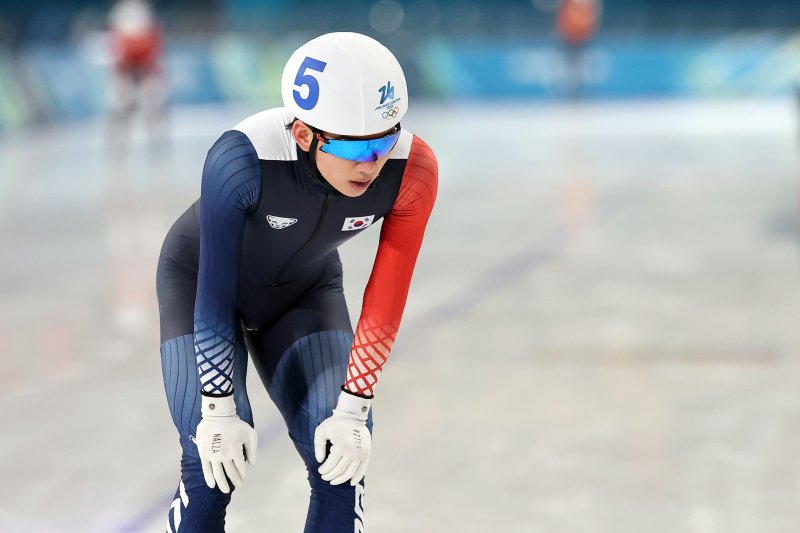
Experts argue that this “no-medal” outcome is not just a temporary slump but evidence of a systemic breakdown. Since the eras of Lee Sang-hwa and Lee Seung-hoon, the skating community has failed to develop athletes capable of competing at the very top level, and that complacency is now under heavy criticism.
One official noted, “In modern speed skating, where physical attributes are becoming ever more important, our skaters need a systematic and scientific training system to stay competitive,” and added, “We do have promising young athletes like Lee Na-hyun and Koo Kyung-min, but if we simply leave them on their own, we will be looking at the same results four years from now.”
A long, harsh winter has come to Korean speed skating for the first time in 24 years. On the cold ice of Milan, the sport is no longer being asked to “wait” for better days, but is being forced to pursue real “innovation.”
jsi@fnnews.com Jeon Sang-il Reporter