OpenAI cuts planned investment from $1.4 trillion to $600 billion... a boon for Nvidia?
- Input
- 2026-02-22 05:12:43
- Updated
- 2026-02-22 05:12:43

OpenAI has abandoned its earlier plan to invest $1.4 trillion (about 2,027 trillion won) by 2030. Instead, it has sharply lowered the target to $600 billion (around 869 trillion won), less than half of the original figure.
At the same time, OpenAI has set a 2030 revenue target of more than $280 billion, signaling confidence that its massive investments will translate into substantial earnings.
Meanwhile, the significant scaling back of its ambitious plan to build out artificial intelligence (AI) infrastructure could increase short-term volatility in Nvidia’s share price, as Nvidia dominates the AI chip market. Over the longer term, however, this shift is seen as strengthening the foundation for further gains.
Investment reality
On the 20th (local time), CNBC reported, citing sources, that OpenAI told investors it plans to invest about $600 billion by 2030. This marks a major retreat from the $1.4 trillion investment plan that Chief Executive Officer (CEO) Sam Altman outlined several months ago.
The change appears to reflect investor concerns over what was seen as excessive spending.
Solid performance
OpenAI is also succeeding in turning its massive investments into tangible results.
According to the sources, OpenAI posted $13.1 billion in revenue last year, far exceeding its $10 billion target.
Its spending came to $8 billion, $1 billion less than the $9 billion it had planned. This suggests the company is tightening its belt and strengthening its fundamentals.
OpenAI’s AI model ChatGPT has also resumed growth after a lull last fall. Weekly active users (WAU) have surpassed 900 million, hitting a record high.
After CEO Altman declared a “code red” last December and vowed to widen the gap again with Google and Anthropic, OpenAI appears to have successfully defended its lead.
Nvidia
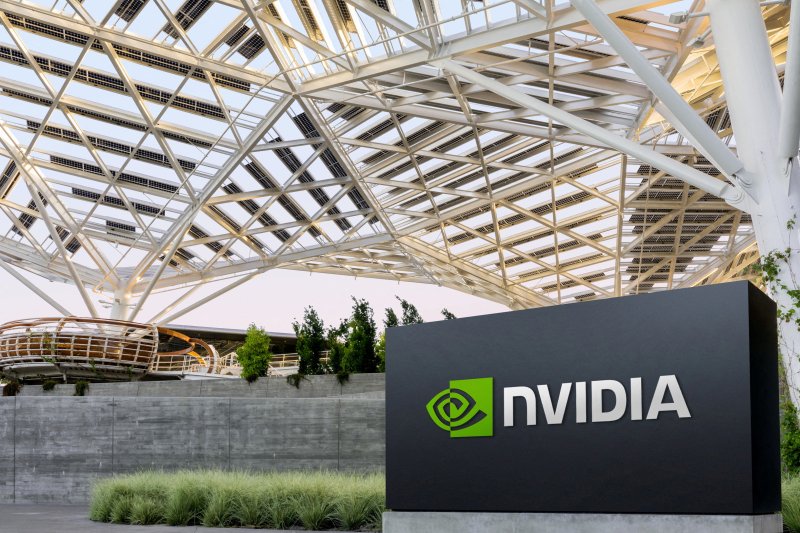
Nvidia is currently participating in OpenAI’s large-scale capital raising. In a funding round seeking more than $100 billion at a valuation of $730 billion, Nvidia has joined as a strategic investor alongside SoftBank and Amazon. Negotiations are under way for Nvidia to invest up to $30 billion.
The downsizing of OpenAI’s AI infrastructure investment plan could reignite talk of an “AI bubble” and be read as a sign that AI demand is slowing. That, in turn, may fuel worries that demand for Nvidia’s chips has already peaked, adding downward pressure on its stock in the near term.
Over the long run, however, this shift is expected to work in Nvidia’s favor.
Even the reduced $600 billion plan is unprecedented in the history of technology investment. Moreover, the fact that it now comes with a clearer timeline tied to revenue generation is likely to be viewed positively.
In addition, Nvidia’s participation in OpenAI’s capital raising and the resulting strong alliance suggest that Nvidia’s chips will continue to be deployed going forward.
It is also encouraging that OpenAI is effectively answering the biggest question mark over Nvidia’s stock—“Are the companies buying these chips actually making money?”—by beating its own revenue targets. Confirmation that large-scale investments are translating into profits means Nvidia’s share price now enjoys a correspondingly stronger support level.
[email protected] Song Kyung-jae Reporter