Can South Korea Avoid Additional U.S. Tariff Hikes on Autos and Other Key Products?
- Input
- 2026-02-22 06:00:00
- Updated
- 2026-02-22 06:00:00
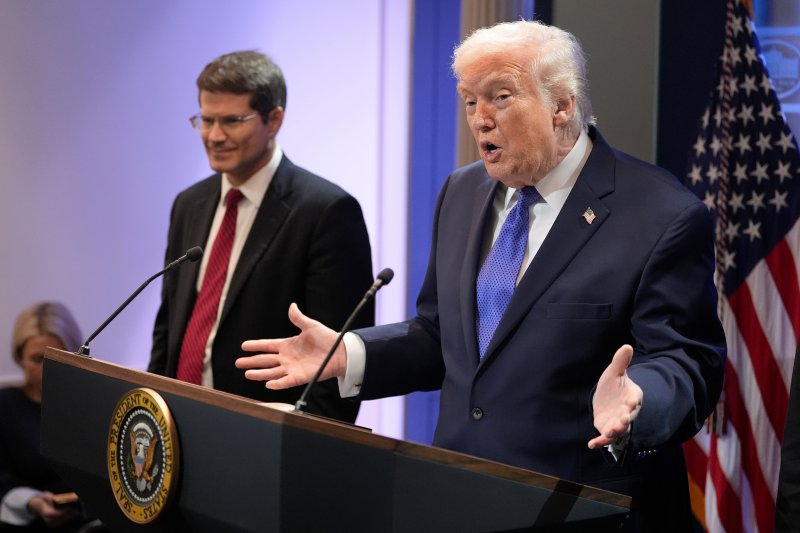
According to Financial News, the reciprocal tariffs pushed by U.S. President Donald John Trump were invalidated by a ruling from the Supreme Court of the United States (SCOTUS). However, Washington still has other ways to raise tariffs, so tension remains high among South Korean automakers and other industries that are already subject to product-specific tariffs.
Separate from reciprocal tariffs, product-specific tariffs on major export items such as automobiles, semiconductors and steel can still be newly imposed or layered on top of existing duties by the U.S. administration. In response, the Government of South Korea has decided to proceed without delay with legislation for a Special Act on Investment in the United States, while seeking to minimize any provocation of the U.S. government.
On July 21 (local time), Donald Trump wrote on the social media platform Truth Social, "In the coming months, the Trump administration will determine and announce new tariffs that are legally permissible," signaling that he has no intention of backing away from using alternative tools to raise duties.
■ Product-specific tariffs feared more than reciprocal tariffs
In practice, the U.S. administration can investigate unfair or discriminatory policies of foreign governments under Section 301 of the Trade Act of 1974 and impose retaliatory tariffs. It can also expand "tariffs on specific products" such as automobiles and steel under Section 232 of the Trade Expansion Act of 1962 (Section 232).
Observers warn that if Seoul tries to revise the United States–Korea Free Trade Agreement (KORUS FTA), which was negotiated to defuse the now-invalid reciprocal tariff hikes, the Trump administration could respond with other retaliatory measures. They note that any hasty move to alter South Korea’s investment plans in the United States could trigger punitive steps from Washington.
Late last month, Donald Trump announced that he would again raise tariffs on South Korean automobiles and pharmaceuticals, as well as all other reciprocal tariffs, from 15% to 25%. The move has since proceeded to the stage of official publication in the Federal Register.
Because Hyundai Motor and Kia alone paid more than 7 trillion won in tariffs over just six months last year due to the 25% U.S. duty, the risk has been substantial. That is why tariffs on specific products are seen as more critical than reciprocal tariffs.
Against this backdrop, the Government of South Korea is pushing ahead as planned with legislation for the Special Act on Investment in the United States, focusing on avoiding actions that might provoke the U.S. government.
An industry official said in a phone interview, "We cannot rule out the possibility that the U.S. administration will still go ahead and raise the tariff on automobiles, which is separate from reciprocal tariffs, to 25%." The person added, "Our government is continuing the legislative process related to investment in the United States, so it is hard to say tariff hikes are a foregone conclusion, but the risk factors remain."
Seongdae Cho, Director of the Trade Policy Research Office at the Korea International Trade Association (KITA), also noted, "Now that reciprocal tariffs have been struck down, there is a possibility they will be replaced with product-specific tariffs." He continued, "The U.S. administration has said it would impose tariffs on semiconductors and pharmaceuticals, but has not yet done so, which means we cannot rule out such tariff hikes."
At the same time, Cho cautioned, "From a logical standpoint, concerns that the U.S. administration will immediately push ahead with higher product-specific tariffs may be overstated under the current circumstances." He added, "We are in a situation where positives and negatives are mixed, and a new equilibrium needs to be found following the KORUS FTA-related trade and investment arrangements between the two countries."
■ Section 301 actions triggered by Coupang could justify tariffs on key sectors such as autos
Still, some analysts warn that investigations under Section 301 of the Trade Act of 1974 could lead to additional tariffs on products that would inflict significant damage on South Korea.
Recently, major U.S. investors in Coupang filed a petition with the U.S. government, arguing that South Korea’s push for an Online Platform Act and related regulations amount to discrimination against U.S. companies. The legal basis cited for this petition was Section 301 of the Trade Act of 1974.
Another industry official explained, "The U.S. administration has said it would first launch country-specific investigations under Section 301 of the Trade Act of 1974 before moving on to product-specific tariffs. In that case, it can select products that would cause real pain to the trading partner." The official went on, "If that happens, it is likely to prioritize items that would hit us hardest, and in such a scenario, overlapping tariffs could be imposed."
[email protected] Hakjae Kim Reporter