Trump raises global tariffs from 10% to 15% in a day, directly confronting Supreme Court ruling
- Input
- 2026-02-22 01:46:37
- Updated
- 2026-02-22 01:46:37
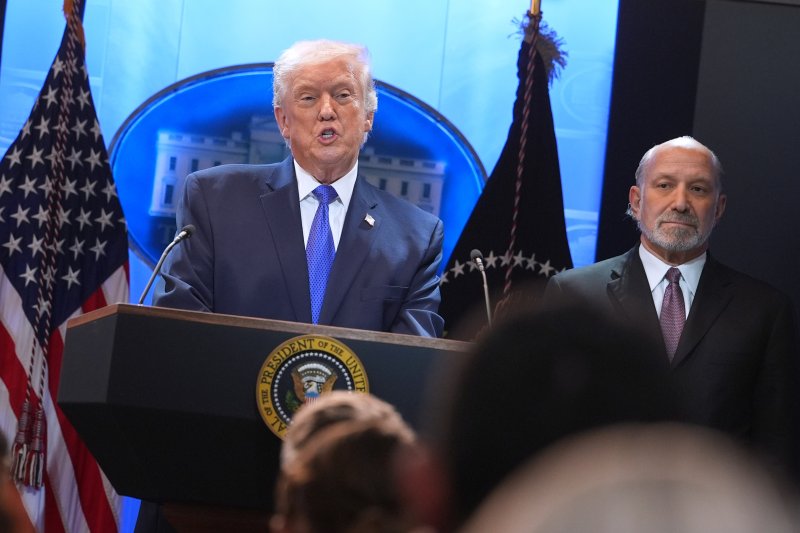
On the 21st (local time), Trump announced on the social media platform Truth Social, "As a measure that takes effect immediately, I will raise the 10% global tariff to 15%, which is the maximum allowed and has been legally validated." He added, "In the coming months, the Trump administration will determine and announce new tariffs that are legally permissible."
The move is a follow-up response to the Supreme Court’s decision the previous day to overturn most of Trump’s tariffs. The Court rejected the administration’s argument that the International Emergency Economic Powers Act (IEEPA), enacted in 1977, implicitly authorizes the imposition of tariffs. IEEPA is designed as a tool for economic sanctions based on a "national emergency," and the Court found that stretching it to justify broad-based tariffs would amount to an abuse of authority.
Trump immediately turned to a different legal basis: Section 122 of the Trade Act of 1974. This provision allows the government to impose temporary tariffs of up to 15% for 150 days in the event of a balance-of-payments imbalance. The new 15% global tariff is also grounded in this section. The day before, Trump had signed an executive order imposing a 10% global tariff on all countries.
The administration plans to shift to Section 301 of the Trade Act of 1974 after the 150-day period, relying on a more long-term authority. Section 301 is used to respond to unfair trade practices and can support more permanent tariff measures. However, it requires an investigation process that typically takes several months before any tariffs can actually be imposed.
[email protected] Reporter Lee Byung-chul Reporter