Trump Signs "Global 10% Tariff on All Countries in the World," Says It Will Take Effect Almost Immediately
- Input
- 2026-02-21 09:28:34
- Updated
- 2026-02-21 09:28:34
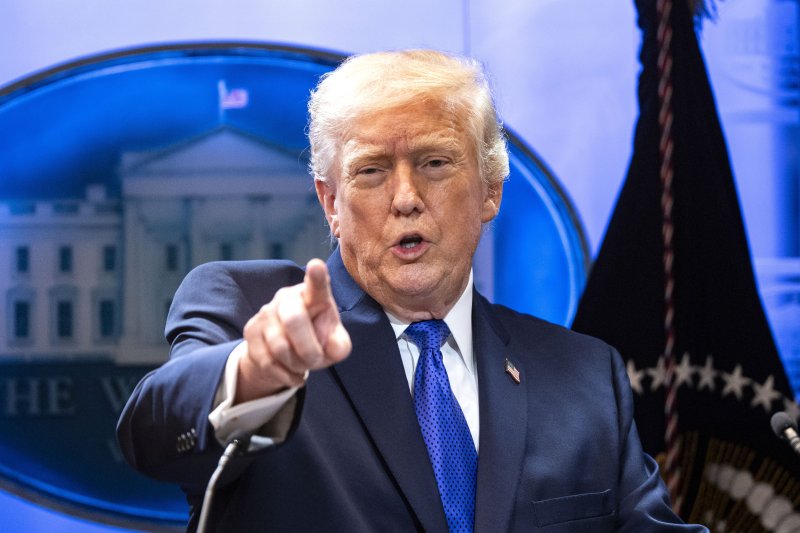
According to The Financial News, US President Donald Trump on the 20th (local time) signed an order imposing a 10% "global tariff" on all countries in the world. The move comes in response to a ruling by the Supreme Court of the United States (SCOTUS) invalidating his country-specific "reciprocal tariffs."
Trump stated on the social media platform Truth Social that day, "I just signed in the Oval Office a global 10% tariff on all countries in the world."
He added that this tariff "will go into effect almost immediately."
The new global tariff Trump signed is based on Section 122 of the Trade Act of 1974. It is effectively designed to replace the 10% basic tariff, which had been collected as part of the reciprocal tariff under the International Emergency Economic Powers Act (IEEPA) but can no longer be imposed following the SCOTUS ruling that such reciprocal tariffs are unlawful.
Section 122 of the Trade Act of 1974 authorizes the president to impose tariffs of up to 15% for a maximum of 150 days in response to balance-of-payments problems.
Earlier at a White House press conference, Trump said he expected the global tariff to "take effect in about three days" and announced that, at the same time, he would launch a tariff investigation under Section 301 of the Trade Act of 1974.
Section 301 of the Trade Act of 1974 grants authority to impose tariffs in response to unfair, unreasonable, or discriminatory actions by foreign governments.
On the same day, SCOTUS ruled that President Trump’s reciprocal tariffs under the International Emergency Economic Powers Act (IEEPA), as well as his "fentanyl tariffs" on the United States, Canada, China, and other countries, were unlawful. The decision upheld lower court rulings at both the first and second instances that had also found them illegal.
As a result of this ruling, the Trump administration can no longer collect the reciprocal tariffs it had been imposing with differentiated rates by country.
In the case of South Korea, the reciprocal tariff was initially set at 25% under a tariff agreement with the United States of America (US), then reduced to 15% from last November. However, on the 26th of last month, President Trump threatened to raise the reciprocal tariff back to 25%, along with auto tariffs, citing delays in the National Assembly of South Korea’s passage of the Special Act on Investment in the United States.
Trump’s pressure to raise tariffs on South Korea covers not only the reciprocal tariffs but also auto tariffs, which apply to automobiles, South Korea’s top export item to the US. Therefore, even though the reciprocal tariffs have been invalidated, his remarks about increasing tariffs on South Korea do not entirely lose their effect.
[email protected] Reporter Lee Seok-woo Reporter