Over Half of Executive Committee Replaced at North Korea’s Biggest Political Event; Kim Jong Un’s Daughter Kim Ju-ae Absent
- Input
- 2026-02-20 11:04:40
- Updated
- 2026-02-20 11:04:40
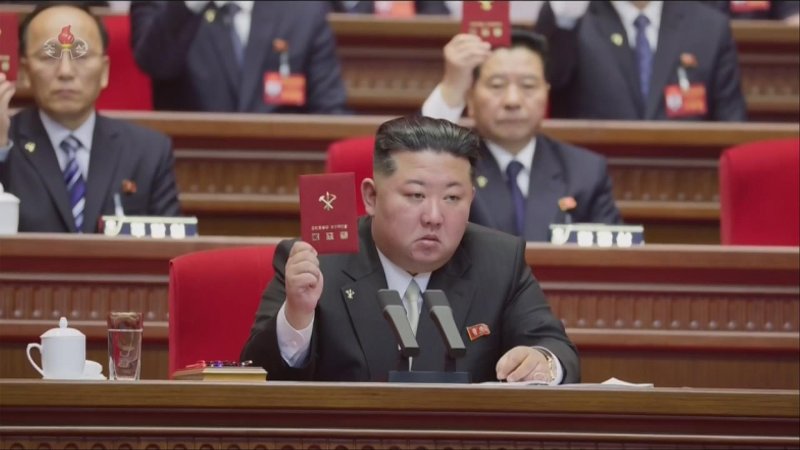
According to the Korean Central News Agency (KCNA) on the 20th, Kim Ju-ae, whose attendance at the congress had drawn attention as the eldest daughter of General Secretary Kim Jong Un, was not seen in the list of executive committee members or in any photos released by North Korean media. The National Intelligence Service recently assessed that Kim Ju-ae is in the stage of being designated as a successor, but many observers had predicted she would not appear at the party congress because she is only 13 years old.
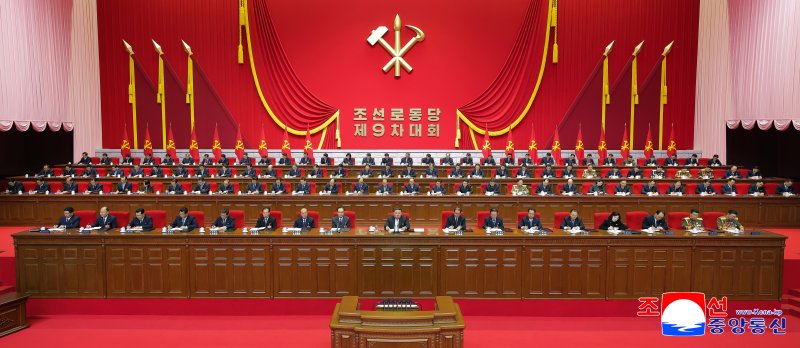
By contrast, Kim Yo-jong, Kim Jong Un’s younger sister and a deputy department director of the party, again secured a seat on the executive committee and sat on the presidium, as she did at the 8th Party Congress.
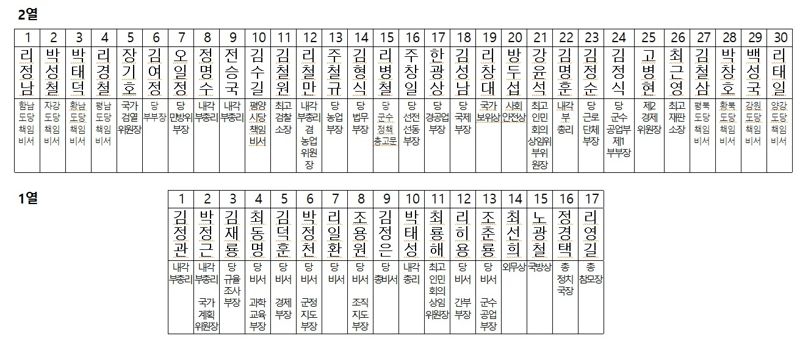
The executive committee for the 9th Party Congress consists of 39 members, including Kim Jong Un in his capacity as chairman of the State Affairs Commission, the same number as at the 8th Party Congress five years ago. However, 23 members, or 59%, have been replaced. Unlike five years ago, Premier Pak Thae-song was called before Choe Ryong-hae, president of the Presidium of the Supreme People’s Assembly. Veteran figures such as Kim Yong-chol, Pak Pong-ju, O Su-yong and Choe Hui were dropped, while key current party, government and military officials such as Pak Thae-song, Ri Hi-yong, Jo Chun-ryong, Choe Tong-myong, Choe Son-hui and No Kwang-chol joined the lineup. Close aides Jo Yong-won, Ri Il-hwan and Pak Jong-chon, as in the previous congress, were placed prominently at the forefront.
These changes in the composition of the congress’s executive committee reflect shifts in the power structure driven by the retirement of elder statesmen to second-line roles and a broader generational turnover over the past five years.
Kim Yong-chol, a leading figure on inter-Korean affairs and an adviser to the 10th Bureau, was excluded. In his place, Foreign Minister Choe Son-hui joined the body, a move seen as laying the groundwork for changes in North Korea’s external policy.
Kim Song-nam, director of the Workers’ Party International Department who leads party-to-party diplomacy with China, was also included in the new executive committee. Vice Premier Yang Sung-ho, whom Kim Jong Un dismissed last month during an inspection of a factory modernization completion ceremony, had been part of the 8th congress executive committee but is absent this time.
In addition to provincial party chief secretaries and meritorious officials, the presidium seats included Kim Ho-chol, chairman of the Central Committee of the Korean Social Democratic Party, and Ri Myong-chol, chairman of the Central Committee of the Chondoist Chongu Party, as invited guests. Their presence confirms that these pro-regime minor opposition parties, whose activities effectively ceased after the so-called two-state theory, still formally exist.
A total of more than 5,000 delegates are attending the 9th Party Congress. They include 1,901 party and political officials (cadres), 747 state administrative and economic officials, 474 military personnel, 32 officials from mass organizations, and 321 officials from the science, education, health, sports, culture, arts, publishing and media sectors, along with 1,524 field officials and core party members. Including more than 2,000 observers, around 7,000 people appear to have gathered for the congress.
[email protected] Kim Kyung-soo Reporter