[Editorial] Ruling and Opposition Parties Lost in Political Strife and Infighting: When Will They Care About People’s Livelihoods?
- Input
- 2026-02-19 19:11:02
- Updated
- 2026-02-19 19:11:02
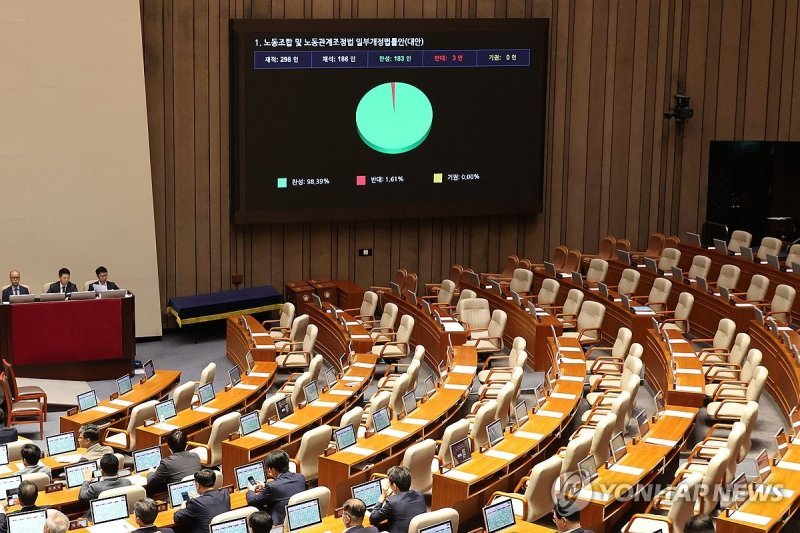
During the Lunar New Year period, real estate disputes swallowed up virtually every other issue. The debate over heavier capital gains taxes on multi-homeowners has escalated into divisive rhetoric pitting those who own many homes against those who own none. Among real estate topics, the controversy over multi-homeowners has been blown far out of proportion, draining our society’s energy. Real estate is, of course, an important concern and a key policy matter. But it is far from the only urgent issue South Korea faces right now.
First, there are a host of pressing livelihood issues. The job market, especially for young people, remains deeply depressed. The number of people classified as "taking a break"—in effect, those who have given up looking for work because they cannot find decent jobs—continues to rise. Citizens want to see a productive National Assembly that debates, in earnest, how to create more quality jobs for young people.
There is also a wide gap between official inflation figures and what ordinary people actually feel they are paying. Headline inflation may appear stable at around 2%, but the cost of putting food on the table is a major burden for low- and middle-income households. If politicians shut their ears to jobs and prices—these two core concerns—it amounts to dereliction of duty.
External risks are also growing. Nuclear talks between the United States and Iran have stalled, and hard-line statements from both sides are piling up. Tensions are rapidly rising again in the Middle East, where stability had been cautiously expected. As anxiety over the Strait of Hormuz increases, market fears about disruptions to crude oil supplies are intensifying. For South Korea, whose economy is heavily dependent on energy imports, rising oil prices are far more than a simple increase in fuel costs.
Higher logistics costs push up manufacturing costs. This, in turn, can ignite a vicious cycle that feeds into higher consumer prices. It is like pouring fuel on the fire for the household economy, which is already groaning under the weight of high prices. The growing tensions in the Middle East are already being reflected in a trend of international oil prices and gold prices rising in tandem.
The course of U.S. tariff negotiations also warrants close attention. Washington is ramping up pressure over the specifics of investment commitments and conditions related to the United States. This is a moment that calls for finely calibrated choices that take into account both U.S. strategic interests and South Korea’s practical gains. Yet there is concern that the ruling and opposition parties, trapped in camp-style politics and mutual blame games, will fail to fulfill their responsibilities and miss the broader currents of international affairs.
As people watch politics consumed by internal power grabs and the upcoming local elections, public distrust only deepens. The political class must instead turn to addressing the many livelihood issues that citizens can tangibly feel, and move proactively to respond to an international landscape that is becoming ever more complex and intertwined. Only when both ruling and opposition parties perform these roles properly will the public be able to trust politics and recognize its value.