"We have to trust the government" vs. "Who would buy a home now?" Lunar New Year housing sentiment is split
- Input
- 2026-02-19 06:00:00
- Updated
- 2026-02-19 06:00:00
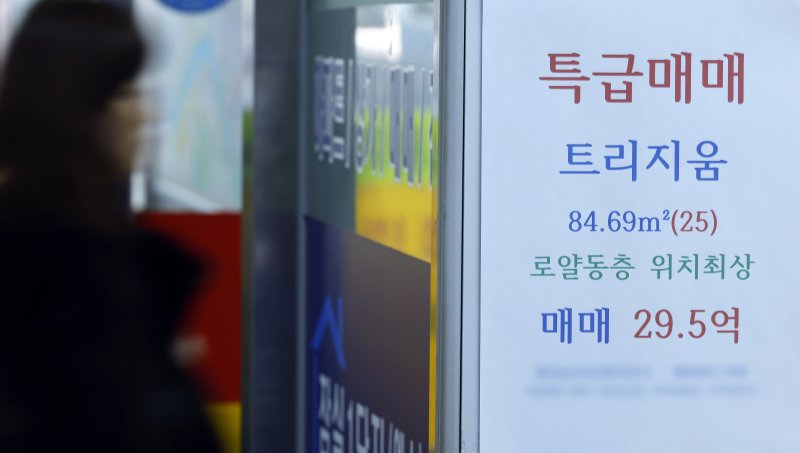
[Financial News] Conversations about real estate at Lunar New Year family gatherings revealed a stark divide. Many people agreed that stabilizing housing prices is necessary, yet frustration was also high that opportunities to buy a home have narrowed. Starting with the June 27 mortgage loan regulations last year, followed by the September 7 housing supply plan, the October 15 housing market stabilization package, and this year’s January 29 additional housing supply measures, the government rolled out one policy after another, but the public is not giving them high marks. In particular, how effective these policies feel varies greatly depending on income level and region.
"Seoul is out of reach" vs. "Only cash-rich buyers benefit"The strongest complaints are coming from genuine home seekers who do not yet own a home. A woman in her 30s who works as a civil servant and lives in Gyeonggi Province was preparing to get married and tried to find a jeonse, or long-term lump-sum lease, in Seoul, but ultimately gave up. She said, "They say regulations on multiple-home owners have nothing to do with jeonse and monthly rental listings, but in reality there are no jeonse units available to move into," adding, "Monthly rent is too burdensome, and buying is impossible because loans are blocked." With prices having risen in the outskirts of Seoul and across Gyeonggi Province, she explained that if she has to endure a commute of more than an hour, moving no longer feels worthwhile.
A woman in her 30s working in Seoul echoed this, saying, "I feel I should buy a home, but mortgage loans are blocked and listings disappear quickly." She lamented, "While I hesitate, prices keep going up." She is considering new apartment pre-sales as an alternative, but added, "The points system threshold is so high that it is hard to pin any hopes on it."
A woman in her 40s working in Anyang in Gyeonggi Province said, "The better the school district, the faster prices have risen, widening the gap," and added, "It feels like the ladder for moving up as an owner-occupier has been cut off." A man in his 40s working in Seoul likewise pointed out the disconnect between policy goals and what people feel on the ground, saying, "Right now, this is a market where only people holding a lot of cash can make a move."
Anxiety about the jeonse and monthly rental market is also growing. People worry that if multiple-home owners put fewer properties up for rent, jeonse shortages will worsen and the shift to monthly rent will accelerate. As preference for prime locations in Seoul strengthens, some also argue that polarization in the housing market is becoming even more pronounced.
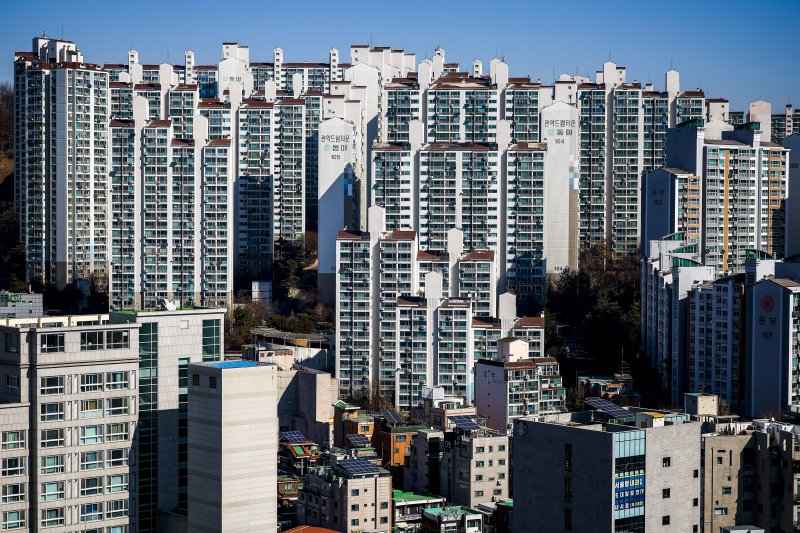
A man in his 30s living in North Jeolla Province said, "It is not fair to treat a single high-priced home in Gangnam the same as two small homes in a provincial city." A man in his 40s working in Seoul also commented, "If these policies are truly for people without homes, I can wait and see, but if the message is that no one should buy a home, then I am against it."
Another man in his 40s working in Seoul warned, "As rental listings from registered landlords and multiple-home owners decrease, a temporary supply gap is inevitable," adding, "Polarization could deepen further, especially around core areas."
On the other hand, some are pinning their hopes on the policies. A man in his 30s working in Seoul said, "If the announced property tax hikes are implemented following the regulations on multiple-home owners, housing prices will stabilize to some extent," and added, "If the government pushes ahead with determination, the measures can have an effect." He also noted, "The government should at the same time work to expand other investment markets, such as stocks, so that real estate funds can flow into different assets."
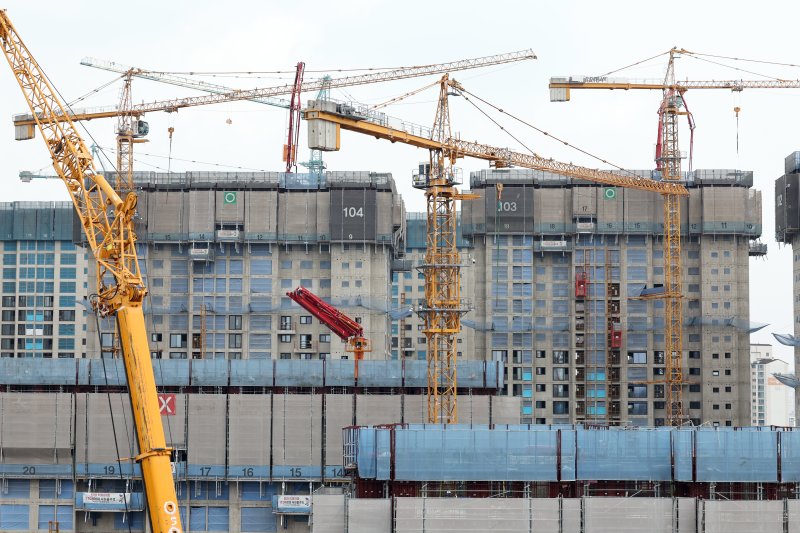
Sentiment is also sensitive in areas undergoing urban renewal. In the Bukahyeon neighborhood of Seodaemun District in Seoul, conflict continues between members of the redevelopment association and the district mayor over approval for the management and disposal plan. In the Mapo and Yongsan areas, a backlash has been brewing since the announcement of plans to expand public rental housing. Some observers say that the pace of reconstruction and redevelopment, and the direction of new supply, could shape local sentiment going forward.
Although views on the government’s policies are divided, a shared sense of unease is clearly visible. Actual transaction volumes and listing trends after the Lunar New Year holiday are expected to determine how much people feel conditions on the ground have changed.
[email protected] Lee Jong-bae, Jang In-seo, Jeon Min-kyung, Kwon Jun-ho, Choi Ah-young, and Choi Ga-young Reporter