Former Hyundai Paint CEO Gets Another Prison Term for 3 Billion Won Sham Payment to Avoid Delisting and 20 Billion Won Stock Manipulation
- Input
- 2026-02-18 12:52:27
- Updated
- 2026-02-18 12:52:27
[Financial News] The former chief executive of Hyundai Paint, who is already serving a substantial prison term for stock manipulation worth around 20 billion won, has received another prison sentence. He was found guilty of falsely paying in tens of billions of won in a paid-in capital increase to prevent the company from being delisted and of siphoning off company funds. The court held that the sham capital increase shifted serious losses onto investors and creditors, making a stern punishment unavoidable.
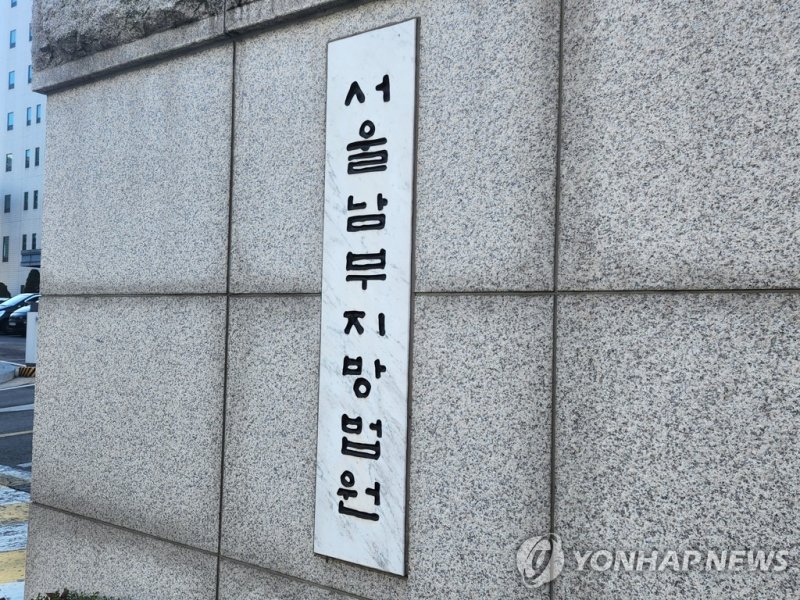
According to the legal community on the 18th, the Seoul Southern District Court, Single-Judge Criminal Division 10, presided over by Judge Kim Ju-wan, sentenced former Hyundai Paint CEO A to three years in prison. He was indicted on charges including violation of the Commercial Act, attempted breach of trust in the course of duty, embezzlement in the course of duty, and making false entries in official electronic records.
In 2016, when Hyundai Paint entered delisting procedures, A was charged with disguising the payment of 3 billion won in a third-party allocated paid-in capital increase. Prosecutors said he borrowed 3 billion won from a moneylender and deposited it into the company’s account so it would appear that the subscription funds had been properly paid. The investigation found that A handed over the passbook, corporate seal, and other items for that account to the moneylender, effectively giving up control over the funds. He then submitted a certificate stating that the share subscription funds had been fully paid, causing the company’s capital to be recorded as increased in the electronic registry. It was later confirmed that, fearing detection of the sham payment, he returned the 3 billion won over a period of about 50 days.
A was also accused of proceeding with a paid-in capital increase under the name of specific companies after failing to secure real investors. He allegedly signed letters of commitment promising that, if trading in the company’s shares was suspended, the subscription funds would be refunded and a penalty would also be paid. Current law does not allow guarantees to repay funds invested in a paid-in capital increase. After the delisting decision, those companies claimed 5.5 billion won, but the court ruled that the agreement was an abuse of his representative authority and therefore void, so Hyundai Paint did not bear the debt.
Separately, the court also found A guilty of embezzlement for transferring a total of 353 million won to the account of another company he operated and using the money for personal purposes.
“Because of the crimes in this case, Hyundai Paint’s capital soundness was undermined and property damage occurred, leading to financial distress,” the court stated. “The burden of loss appears to have been shifted onto other investors and creditors, so his culpability is grave.” However, the court took into account that part of the funds brought in during the process of repaying the sham payment was used to pay employee salaries and other expenses, as well as the need for consistency with his prior confirmed convictions.
Earlier, in 2015, A was indicted for colluding with a stock-price manipulation ring and obtaining illicit gains of about 20 billion won. In 2018, the Supreme Court finalized his sentence of six years and six months in prison and a fine of 2 billion won.
[email protected] Park Sung-hyun Reporter