Japan to Elect Takaichi as Prime Minister Today, Launch Second Cabinet and Accelerate Expansionary Fiscal Policy
- Input
- 2026-02-18 10:27:06
- Updated
- 2026-02-18 10:27:06
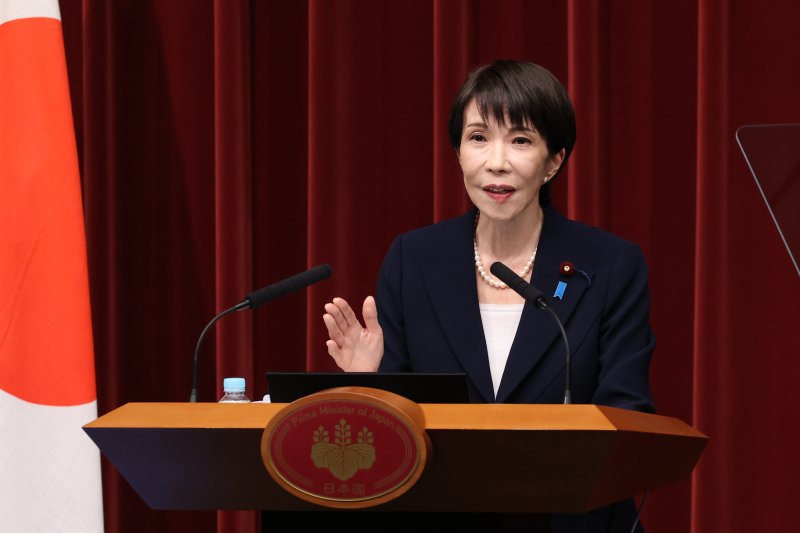
TOKYO – Sanae Takaichi, the Prime Minister of Japan who led the ruling Liberal Democratic Party (LDP) to a landslide victory in the House of Representatives election held on the 8th, is set to be elected as the 105th prime minister at an extraordinary Diet session convening on the 18th and to launch her Second Cabinet the same day. As only about four months have passed since the first cabinet was formed, all current ministers will remain in their posts. However, within the party, Takaichi plans to appoint Furuya Keiji, the LDP’s election strategy chief, as Chair of the House of Representatives Constitutional Review Committee to accelerate debate on constitutional revision. With the launch of the Second Takaichi Cabinet, her agenda of "responsible expansionary fiscal policy" and stronger national security is expected to gain momentum.■ Second Cabinet to be launched after Takaichi is designated prime minister on the 18thAccording to the Yomiuri Shimbun and the Nihon Keizai Shimbun (Nikkei), the extraordinary Diet session will convene that day, and in the House of Representatives plenary session, the LDP’s Mori Eisuke is expected to be elected speaker, with Ishii Keiichi of the centrist opposition party Komeito as deputy speaker. After that, both the House of Representatives and the House of Councillors will hold votes to designate the prime minister.
Once Takaichi is elected as the 105th prime minister, she will attend an imperial investiture ceremony at the Imperial Palace and a certification ceremony for cabinet ministers, after which the Second Takaichi Cabinet will be launched on the same night. Because only about four months have passed since the first cabinet was formed, all ministers will stay on.
Some LDP party posts, however, will be reshuffled. Furuya Keiji, currently head of the Election Strategy Committee, will move to become Constitutional Review Committee chair in the House of Representatives, while Nishimura Yasutoshi, a former Minister of Economy, Trade and Industry who has been serving as acting election strategy chief, will take over as election strategy head. Yomiuri interpreted this move by saying, "By appointing the close ally Furuya as Constitutional Review Committee chair, Takaichi intends to create a more favorable environment for constitutional revision."
After the cabinet is launched, Takaichi plans to hold a press conference to explain the bills to be taken up during the extraordinary Diet session. She is also expected to use the cross-party "National Council," where ruling and opposition parties discuss policy, to call for cooperation from the opposition.
The Japan Restoration Party, which forms a coalition government with the ruling LDP, will continue its "cooperation from outside the cabinet" approach and will not send ministers into the Second Cabinet either. Takaichi intends to bring members of the Restoration Party into cabinet posts in line with a cabinet reshuffle and LDP leadership appointments expected around autumn.■ Government aims to pass budget within the year, giving lift to responsible expansionary fiscal policyThe extraordinary Diet session will run for 150 days, from the 18th through July 17. Because Takaichi dissolved the House of Representatives last month, the start of deliberations on the fiscal 2026 budget has been significantly delayed compared with normal years, and the government plans to submit the relevant budget bills to the extraordinary session as quickly as possible.
Takaichi has expressed strong determination to have the budget enacted within the current fiscal year. At an LDP executive meeting on the 17th, she said of the budget and tax reform bills, "They must be passed by the end of the fiscal year. I want to seek cooperation from the opposition and have them enacted as soon as possible, even one day earlier."
Once the budget is passed, policies that Takaichi herself has described as "policies that divide public opinion" are also expected to move forward more quickly, The Asahi Shimbun reported.
The Takaichi Cabinet plans to draft the legislation needed to establish a National Intelligence Agency in charge of intelligence collection and analysis, and to begin concrete discussions on an Anti-Spy Law. Deliberations on a bill creating the "crime of damaging the national emblem of Japan" and on constitutional revision—measures with a distinctly conservative character—are also expected to be key points of contention.
The "responsible expansionary fiscal policy" that Takaichi emphasizes is likewise expected to gain traction.
According to Asahi, in her policy speech on the 20th Takaichi plans to reiterate this stance, saying, "We will break with the long-standing mindset of excessive austerity and chronic underinvestment in the future," and again stressing responsible expansionary fiscal policy.
At the same time, mindful of concerns over fiscal deterioration, she plans to propose a framework under which "crisis management investment" and "growth investment" in areas that contribute to economic security would be managed as separate multi-year items in the budget. The idea is that treating these expenditures as separate items could help lower the ratio of government debt to gross domestic product (GDP).
Takaichi also plans to address the proposal to cut the consumption tax on food to zero for two years, saying she will "discuss the timetable, funding sources and other details at the National Council, where both ruling and opposition parties participate, compile an interim report before summer, and move quickly to submit the necessary tax reform bills."
The National Council is also expected to review the overall social security and tax reform agenda, including the design of a refundable tax credit scheme to support low- and middle-income households.
[email protected] Seo Hye-jin Reporter