"Big-spending" Chinese tourists to flock to Korea, with 190,000 expected... Per-capita spending tops $1,600
- Input
- 2026-02-16 12:59:48
- Updated
- 2026-02-16 12:59:48
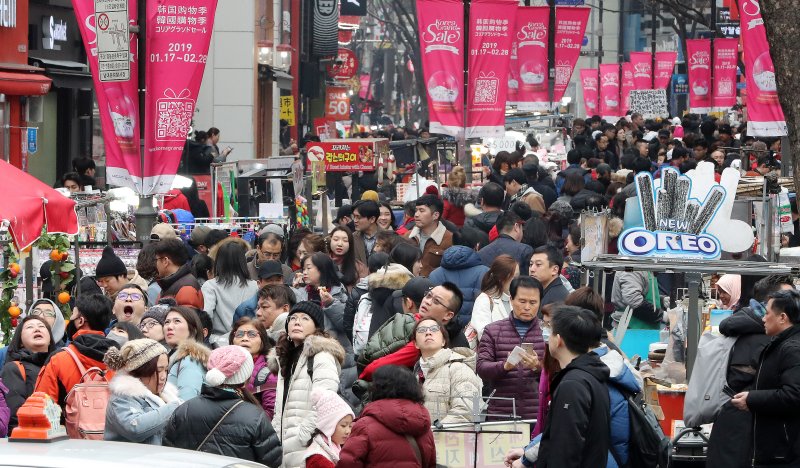
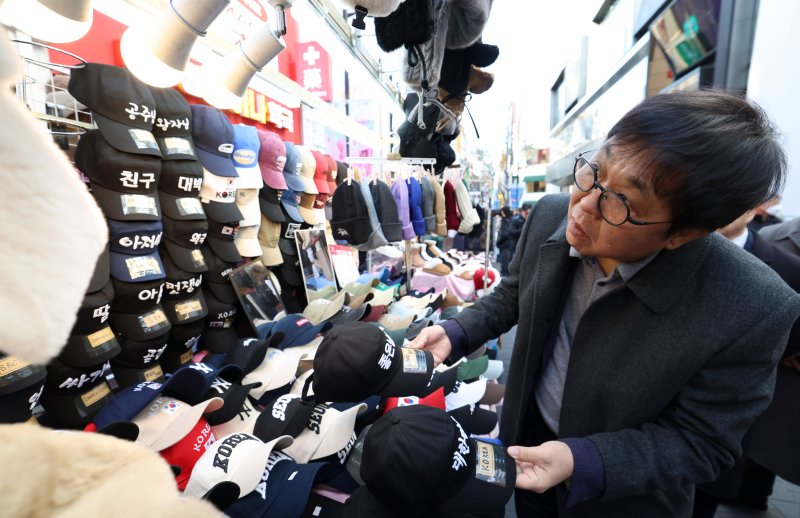
According to estimates released by the Ministry of Culture, Sports and Tourism (MCST) on the 16th, about 190,000 Chinese visitors are expected to come to Korea during this Spring Festival holiday. Including “early birds” who travel just before or after the official break, some forecasts put the total at 200,000 to 250,000. Chinese tourists spend an average of $1,622 per person, far exceeding the overall foreign visitor average of $1,372. News that big-spending Chinese tourists are returning is lifting expectations across the retail sector.
Department stores, hypermarkets and convenience store chains have all launched China-focused marketing campaigns. They are offering instant discounts linked to Chinese mobile payment services such as Alipay, WeChat Pay and UnionPay. Retailers are also rolling out promotions that span both online and offline channels, including gift vouchers, expanded K-beauty, K-fashion and K-food experience programs, and limited-edition products featuring traditional Korean motifs.
Chinese tourists are spending not only on shopping but also on high-priced experiences such as medical services, cosmetic procedures and beauty treatments. MCST is partnering directly with major local big-data platforms like JD.com and Ctrip to run digital marketing campaigns, including offers of discounted Korea Train eXpress (KTX) tickets.
During the holiday period, MCST will operate “welcome event zones” and “hospitality booths” in Myeong-dong, Seoul, and at Jeju International Airport to encourage repeat visits. In Myeong-dong, the ministry will run a digital payment experience center in collaboration with Alipay. On Jeju, it will hold a giveaway event for “red horse” keyrings, timed to the Year of the Horse in 2026. These efforts are part of a broader government push to foster a welcoming atmosphere for Chinese visitors and counter anti-China sentiment that has taken hold, particularly among far-right groups.
On the afternoon of the 15th at 3 p.m., Minister Choi Hwi-young visited the “welcome event zone” in Myeong-dong, Seoul, to personally greet Chinese tourists visiting Korea. Earlier, Choi had asked industry associations to actively help create a safe and reassuring environment so that tourists can travel with peace of mind during the Spring Festival break. The associations have notified travel agencies specializing in Chinese visitors to strengthen safety management for Chinese tourists, immediately share any safety incidents with the association, and minimize any inconvenience. They also plan to report any cases of Chinese tourists’ unauthorized departure from tour groups immediately to MCST and the Ministry of Justice’s immigration office.
[email protected] Park Moon-soo Reporter