Warsh nominated as next Fed chair: Trump and Wall Street on different pages
- Input
- 2026-02-16 07:38:27
- Updated
- 2026-02-16 07:38:27
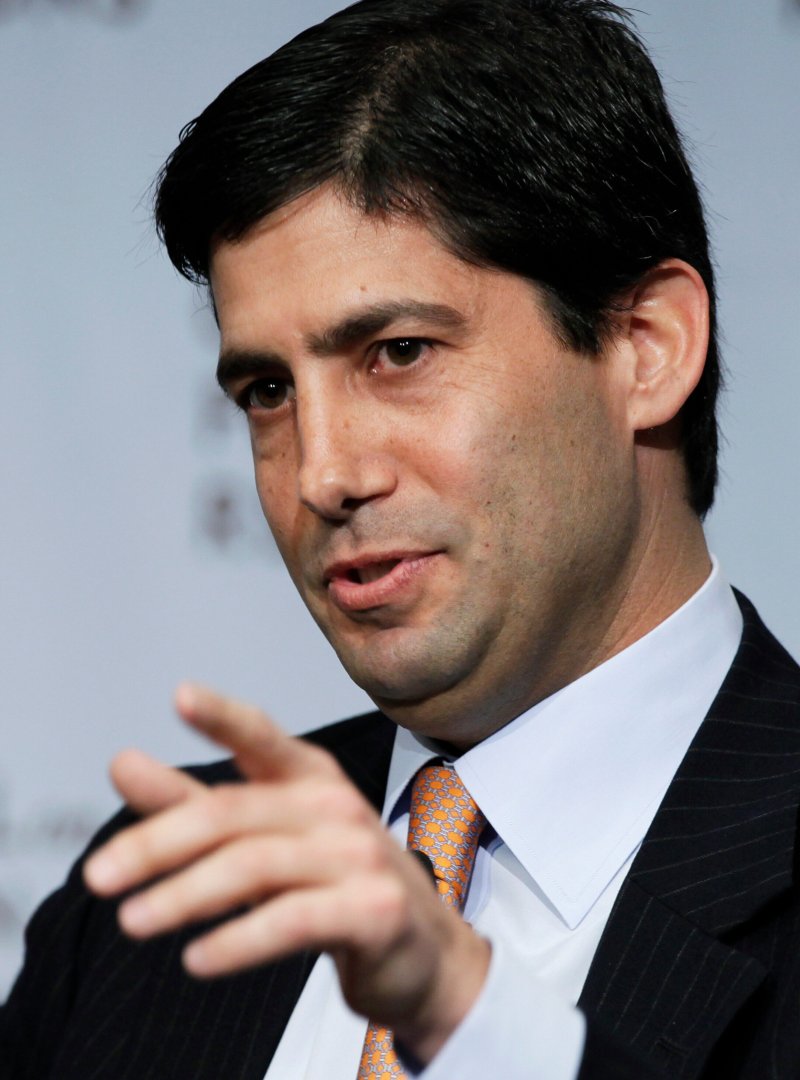
[Financial News] There is growing speculation that Kevin Warsh, whom U.S. President Donald Trump has nominated as the next head of the U.S. central bank, may not see eye to eye with Trump, who has consistently called for interest rate cuts.
On the 15th (local time), The Motley Fool noted that Warsh, the nominee for the next Fed chair, has shown a tendency to focus more on inflation than on employment.
The outlet reported that during his tenure as a Fed governor from 2006 to 2011, when the Federal Open Market Committee (FOMC) prioritized rising unemployment caused by the global financial crisis, Warsh was less enthusiastic about keeping interest rates low and was more concerned about rising prices.
The report pointed out that Wall Street in New York is treating low interest rates as a given following Warsh’s nomination, but the outcome could differ from what President Trump intends.
Investors’ skepticism about the possibility of further rate cuts is not solely due to how Warsh responded during the financial crisis.
Warsh has long taken a critical view of the role the Fed has played in stabilizing financial markets.
He is known to believe that the Fed should remain a "passive observer" rather than intervening aggressively in markets.
In theory, this argument may be reasonable, but with the Fed currently holding a balance sheet of about 6.6 trillion dollars, it would be difficult to put such an approach into practice.
At this point, it is uncertain whether Warsh will win confirmation from the U.S. Senate Committee on Banking, Housing, and Urban Affairs.
Even if he is ultimately confirmed, Warsh, like other officials, would have only one vote on the 12-member FOMC.
The Motley Fool added that with the Federal Open Market Committee already experiencing historic internal divisions at the end of current Fed Chair Jerome Powell’s term, and with lingering questions over Warsh’s approach to monetary policy, there is a possibility that an already historically expensive stock market could climb even further.
[email protected] Reporter Yoon Jae-joon Reporter