Trump Weighs Cutting Steel and Aluminum Tariffs Ahead of Midterm Election
- Input
- 2026-02-14 02:38:53
- Updated
- 2026-02-14 02:38:53
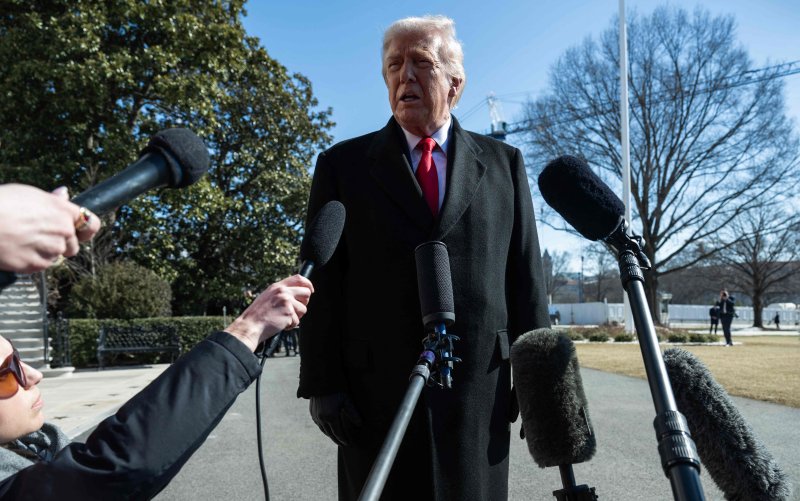
Donald Trump is considering reducing tariffs on steel and aluminum imports, the Financial Times (FT) reported on the 13th, citing sources.
The move is aimed at easing the cost-of-living crisis and shoring up his falling approval ratings ahead of the midterm election in November.
Last summer, Trump imposed tariffs of up to 50% on imports of these two basic industrial materials. He then went on to raise tariffs on products such as washing machines and ovens.
After the tariffs were imposed, prices of everyday items—from pie tins and beverage cans to washing machines and ovens—jumped, leaving voters facing a growing burden from higher living costs.
As his approval ratings took a hit from these effects, Trump now appears to be toying with the option of rolling back some of the tariffs.
According to sources, the U.S. administration is reviewing several options: exempting certain items from tariffs, lowering some tariff rates, halting the expansion of tariff coverage, and selectively imposing tariffs by designating specific products as threats to national security.
In other words, it is shifting from a broad tariff bombardment to more targeted strikes.
The administration is also considering simplifying the lobbying process, making it easier for U.S. companies to ask the government to place foreign competitors’ products on the tariff list.
Officials at the United States Department of Commerce and the Office of the United States Trade Representative (USTR) believe that the tariffs are driving up product prices and putting pressure on consumers, the sources said.
U.S. tariff levels have surged to their highest point since World War II, and this has contributed to declining support for both the Republican Party (GOP) and Trump.
A Pew Research Center survey found that more than 70% of American adults rate current economic conditions as only fair or poor. About 52% say Trump’s economic policies are making things worse.
Having once pushed tariffs forward with confidence, Trump is now retreating in the face of a strong backlash.
Confronted with food price inflation, he has already slashed many tariffs on popular grocery items. When China retaliated by halting imports of U.S. soybeans, he agreed to a truce that reopened export channels.
Steel and aluminum tariffs are seen as emblematic of Trump’s trade policy, so any adjustment to them could serve as a starting point for a broader shift in his overall tariff strategy.
Public opinion is the fundamental force pushing Trump to change course, but Congress, sensitive to that same public mood, also appears to be playing a role by trying to rein him in.
On the 11th, the U.S. House of Representatives passed a bill overturning Trump’s tariffs on Canada, with members of his own Republican Party joining in. Although Trump is expected to veto the bill and render it ineffective, the move could still slow a trajectory that had seemed unchecked.
[email protected] Reporter Song Kyung-jae Reporter