[Editorial] Youth are sinking into unemployment while labor shortages at SMEs grow even worse
- Input
- 2026-02-11 18:34:01
- Updated
- 2026-02-11 18:34:01
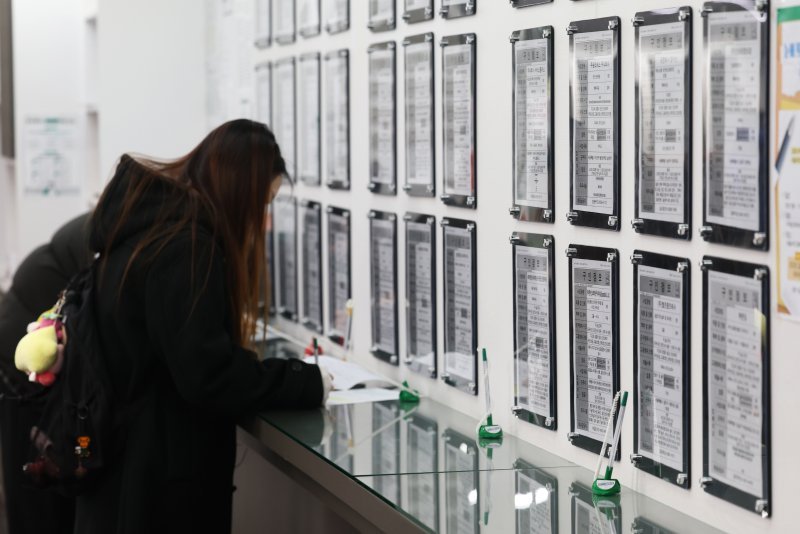
Young people, who should be the backbone of society, are sinking ever deeper into the swamp of unemployment. The number of employed youth fell by nearly 180,000. The youth employment rate dropped to 43.6%, down 1.2 percentage points from a year earlier, marking the lowest January figure in five years since 2021. After enduring a hellish entrance-exam war and finally earning their diplomas, many young people still cannot find a place to go. If these dispirited youths are left unattended, overcoming low growth will remain out of reach. Youth unemployment is a grave challenge that demands joint efforts from the state, businesses, and academia.
Job cuts driven by artificial intelligence (AI) are another trend that warrants close attention. In January, employment in professional, scientific and technical services fell by nearly 100,000. This is the steepest decline since the industrial classification was revised in 2013. KOSTAT estimated that advances in AI have slowed the hiring of new employees in professional services. As AI is adopted more widely in the workplace, a significant number of jobs could be replaced by AI.
Abroad, large-scale layoffs triggered by AI have already begun. The United States e-commerce company Amazon announced a plan last October to cut 14,000 jobs, and then shocked the market again by unveiling another plan at the end of last month to cut 16,000 more within just three months. In total, 30,000 office workers—about 10% of its 350,000 white-collar staff—received layoff notices. The company said it would fill the vacancies with AI and redirect existing labor costs into AI to further boost productivity. This trend is not limited to Amazon.
The influence of AI will grow stronger at domestic companies as well. At firms where regular-employee unions wield strong power, they may seek to raise productivity simply by closing the door to new hiring. For young job seekers, the path into employment will narrow to the size of a needle’s eye. Some are optimistic that as many new jobs will be created in AI-related industries as are lost to AI. But for these new industries to bear fruit, the government and political leaders must step up with a strong sense of responsibility and provide robust support.
The mismatch problem—where young people cannot find jobs while small and medium-sized enterprises (SMEs) suffer from chronic labor shortages—also needs to be tackled head-on. According to a survey on support policies for regional SMEs released the same day by the Korea Federation of SMEs (KBIZ), the biggest management obstacle for SMEs, both in the greater Seoul area and in the provinces, was difficulty in hiring. Some 69.7% of companies in the greater Seoul area and 66.2% of companies in non-metropolitan areas reported suffering from labor shortages.
Companies are reluctant to leave the greater Seoul area. A full 99.5% of firms said they have "no plans whatsoever" to relocate, citing labor shortages as the reason. If they move to regional areas, they fear losing existing employees, and they say finding new workers locally is like trying to pluck a star from the sky. Government policies to support balanced regional development must be strengthened with this in mind. At the same time, solutions must be sought from multiple angles to address the deepening gap in wages and benefits between large corporations and SMEs. Excessive wage demands by large-company labor unions need to be restrained.
In the end, it is companies that create jobs. President Lee Jae-myung recently summoned major conglomerate heads to the presidential office and urged them to create more jobs for young people and in regional areas. For companies to expand hiring, they must be profitable. The government should roll up its sleeves and support them so they can do brisk business and earn solid profits.