Phone memory prices triple in a year... Unprecedented "15% production cut" scenario [Daily IT Pick]
- Input
- 2026-02-12 06:00:00
- Updated
- 2026-02-12 06:00:00
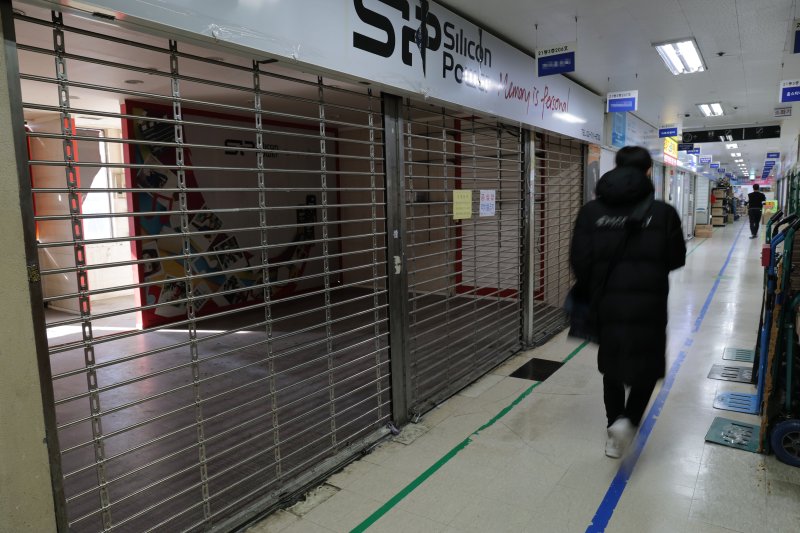
As higher component costs push up retail prices, more consumers are expected to hold off on purchases. Against this backdrop, global smartphone production this year is forecast to plunge 10% from a year earlier.
Market research firm TrendForce projects that global smartphone output this year will fall about 10% year-on-year to roughly 1.135 billion units.
Under a more pessimistic scenario, some analysts warn that the decline in worldwide smartphone production could widen to more than 15%.
For devices equipped with 8 gigabytes (GB) of RAM and 256GB of storage, first-quarter contract prices this year were about three times higher than in the same period last year.
Memory used to account for around 10–15% of a smartphone’s bill of materials (BOM), but its share has now jumped to 30–40%.
“Many brands will have little choice but to raise finished product prices to protect their margins,” TrendForce stated, adding, “They are also expected to adjust their product portfolios and specifications in response to rising memory prices.”
However, the impact is expected to vary significantly by brand.
TrendForce analyzed production trends for the world’s top eight smartphone brands through 2026 and found that output at Samsung Electronics, which is both a memory supplier and a smartphone maker, will decline. Even so, it is expected to feel less impact than Chinese brands thanks to the advantages of vertical integration.
Apple is projected to absorb higher memory costs relatively well because a large portion of its lineup consists of premium models. Its core customer base is also seen as more willing to accept price increases, which works in its favor.
By contrast, Chinese manufacturers such as Xiaomi and Transsion, which rely heavily on budget models and the domestic Chinese market, are considered more vulnerable to rising memory prices. If memory prices remain elevated, smartphone production this year is expected to shrink even further.
Structural factors are also weighing on demand, including longer replacement cycles as smartphone performance has improved across the board. TrendForce predicted, “Even if memory prices stabilize in the future, these structural changes will be difficult to reverse in the short term.”
[email protected] Jang Min-kwon Reporter