Experts Expect Prolonged Weak Yen Despite Recent Strength, Some See 165 per Dollar
- Input
- 2026-02-10 11:59:49
- Updated
- 2026-02-10 11:59:49
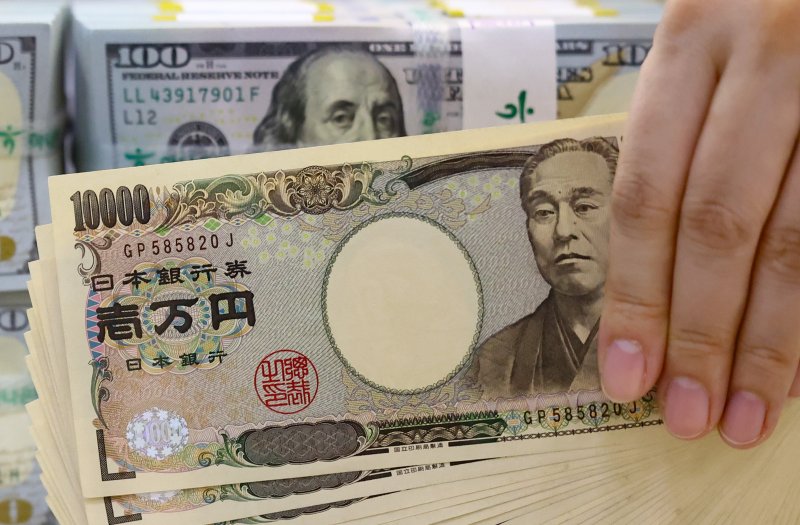
Tokyo – Seo Hye-jin, Financial News correspondent – On the morning of the 10th, the yen was trading strong in the 155 range per dollar on the Tokyo foreign exchange market.
As of 10 a.m. on the Tokyo foreign exchange market, the yen was at 155.91–155.92 per dollar, up 0.67 yen from the previous session in terms of value.
Earlier in the session, expectations grew that real-demand selling of yen and buying of dollars would pick up ahead of the "mid-rate settlement." On that view, the dollar rose to as high as 156.30 yen, meaning the yen temporarily weakened and its strong trend faded. Later, however, with the 5th and 10th of each month serving as settlement dates, domestic exporters stepped in to buy yen and sell dollars, pushing the rate back down into the 155-per-dollar range and strengthening the yen again.
Overnight in New York as well, the yen strengthened. It traded at 155.82–155.92 per dollar, a gain of 1.33 yen in value from the previous session.
The move was driven in part by reports that Chinese authorities had instructed domestic banks to curb their holdings of U.S. Treasury bonds, which intensified selling of the dollar.
According to foreign media reports, Chinese regulators in recent weeks have told major commercial banks to adjust their holdings of U.S. Treasury bonds. The guidance reflects concern that excessive exposure to Treasuries could leave Chinese banks vulnerable to sharp swings in global markets.
However, the directive is said not to apply to U.S. Treasuries officially held by the Chinese government, including the central bank.
As of September last year, Chinese banks held about 298 billion dollars in dollar-denominated bonds. China’s overall holdings of U.S. Treasuries have fallen to 683 billion dollars as of last November, roughly half the peak level in 2013.
Meanwhile, analysts say that although the yen’s movements may be capped for the time being by the market’s pre-pricing of the House of Representatives of Japan election and by caution over possible official intervention, the longer-term trend of a weak yen could resume.
Hiroshi Suzuki, chief foreign exchange strategist at Sumitomo Mitsui Banking Corporation (SMBC), said, "Because the Liberal Democratic Party (LDP) was expected to perform well, the initial moves right after the House of Representatives of Japan election were relatively calm. Heightened vigilance over possible intervention by the authorities is also capping the upside in the dollar–yen rate."
Masafumi Yamamoto, chief foreign exchange strategist at Mizuho Securities, likewise commented, "Overseas investors had already priced in much of the outcome of this House of Representatives of Japan election, so we are not seeing a broad rush to sell yen and buy dollars."
He added, "However, Prime Minister Sanae Takaichi has hardly emphasized the downsides of a weak yen, and she has even suggested that foreign reserves could be used as a policy funding source. That has led to speculation that she may not be very proactive about direct intervention in the currency market," and continued, "If the perception spreads in the market that the authorities are unlikely to step in, the exchange rate is likely to move toward a weaker yen and stronger dollar."
Taking into account that some are even discussing the possibility of a long tenure for Prime Minister Takaichi, Yamamoto projected, "There is a high likelihood that the yen will move into the 160–165 range per dollar."
Suzuki also said, "Because of the so-called Takaichi trade, in which rising stock prices, a weaker yen and softer bonds go hand in hand, conditions will remain conducive to continued downward pressure on the yen," and forecast that over the next month or so the dollar–yen rate will likely trade in a 152–162 range.
[email protected] Seo Hye-jin Reporter