National Folk Museum of Korea opens 'Birth, A Celebration for All' exhibition, reflecting on the meaning of life and care
- Input
- 2026-02-09 14:46:20
- Updated
- 2026-02-09 14:46:20
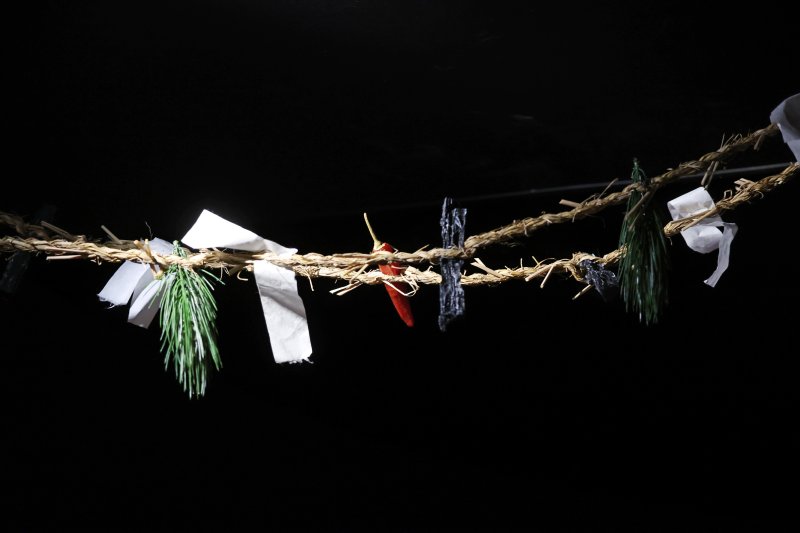
[Financial News]"In the old days, if a baby wouldn’t come out even when the mother was pushing hard, people said you should tie the husband’s belt tightly around her belly or swallow a raw egg so the baby would be born smoothly.""They also said that if you eat turtle meat, your baby will be born with a short neck. And when you hang the straw rope to announce the birth, you must not hammer in nails or carelessly throw the rope away after the period has passed."Such "birth taboos" that had to be observed before delivery were passed down as age-old beliefs, to the point that they were recorded in classical texts. From a scientific perspective, they are merely folk beliefs and taboos, but they reveal how cautious mothers and their families were in hoping for a safe delivery.
An exhibition tracing childbirth customs and how they have changed from the late Joseon period to the present day is being held in Samcheong-dong, Jongno-gu, Seoul. The National Folk Museum of Korea announced on the 9th that it will host the special exhibition "Birth, A Celebration for All" through May 10 next year.
At the entrance to the exhibition hall, visitors follow the sound of a baby crying and pass through a narrow corridor marked with a straw rope, which then opens into a re-created 20th-century birthing room.
Curator Yeom Hee-jae explained the birthing room installation, saying, "The moment of childbirth was a time when outsiders were not allowed in and mostly only family members were present, so we made the path long and installed a straw rope to express that not just anyone could enter," and added, "Most of the artifacts inside date from the early 20th century, so we recreated an early 20th-century birthing room."
The exhibition presents 328 artifacts and materials, including a hundred-day jacket pieced together from 100 scraps of cloth to wish for the child’s long life, a father’s childcare diary, and the Thousand People Thousand Character Classic, a book created by collecting one handwritten character each from 1,000 people for the child.
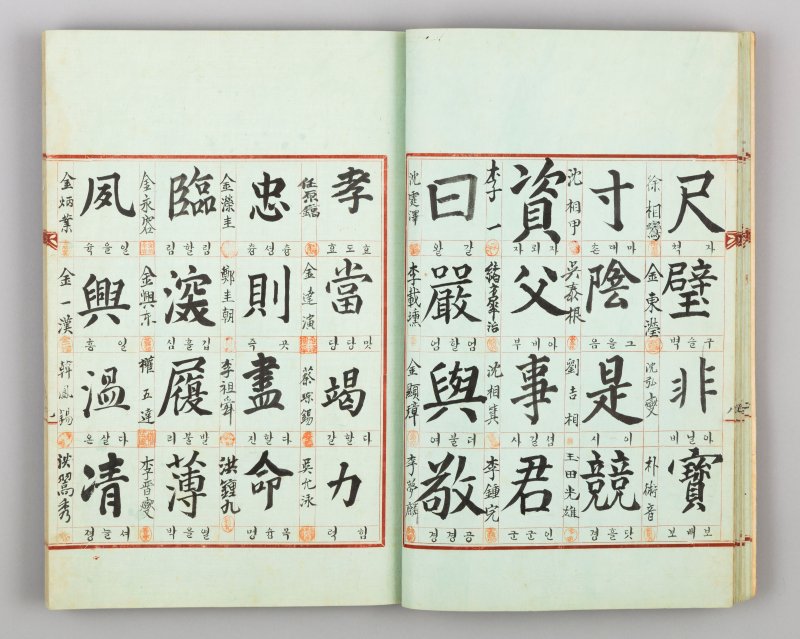
In particular, the exhibition focuses not only on mothers and babies, but also on the hearts of those around them who waited for and supported the birth together. The Thousand People Thousand Character Classic is a book made by 1,000 people each carefully writing a single character to pray for the child’s health and happiness. It was placed on the first-birthday table in the hope that the community’s wisdom and blessings would be passed on to the child.
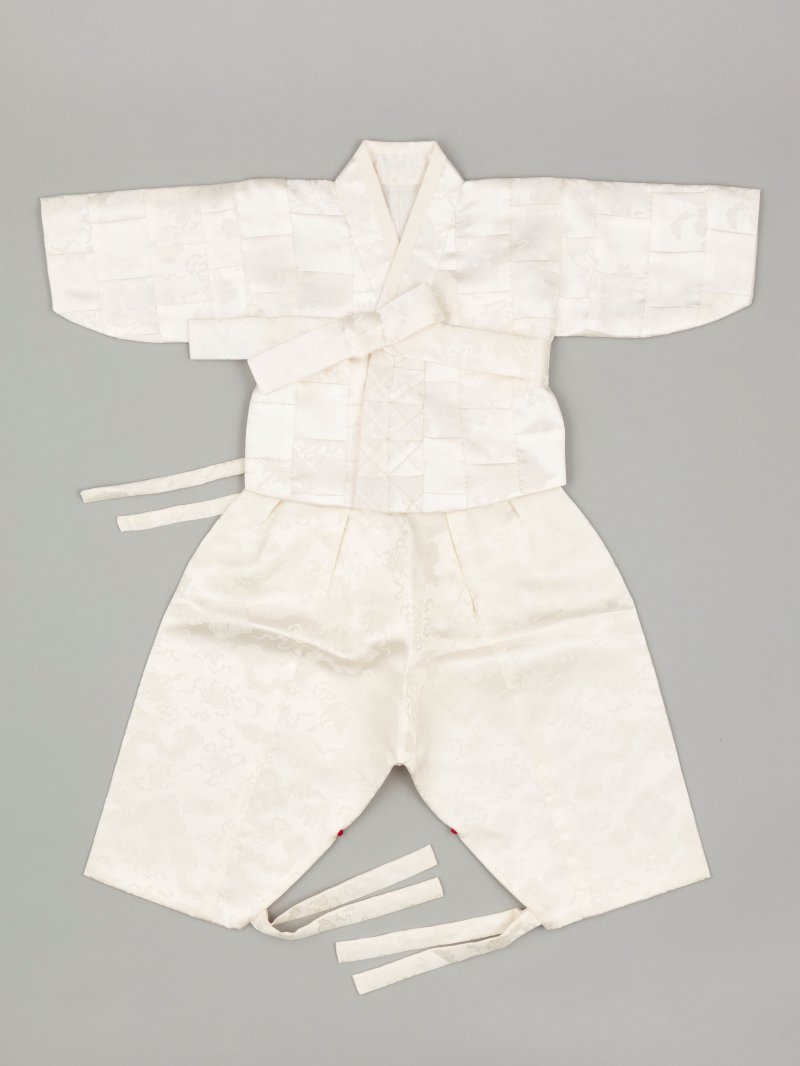
The hundred-day outfit, made by sewing together one hundred pieces of cloth, also symbolizes the wish for the child’s health and longevity. The number 100 represents completeness, embodying the family’s hope that the child will live a long life, even to one hundred years.
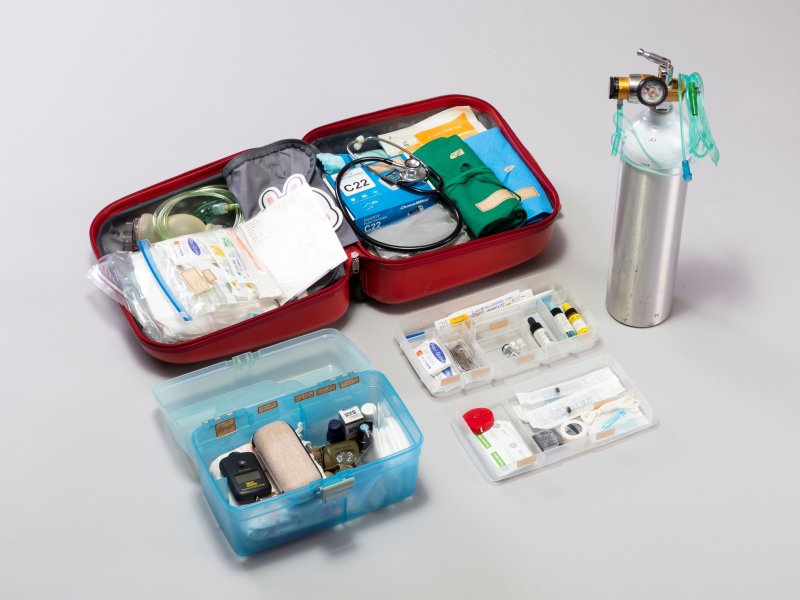
Exhibits such as a father’s childcare diary, a traditional baby-wrapping blanket prepared by a mother as part of her daughter’s wedding trousseau for future childbirth, and a midwife’s travel bag kept ready day and night while waiting for signs of labor, contain the stories of more than 50 people and convey warm feelings that transcend time.
The exhibition also introduces how women obtained information about childbirth in different eras: from childbirth-related folk beliefs and taboos recorded in late Joseon household guides, to a mother’s letter of advice to her daughter from the early 1900s, government-issued booklets from the 1950s, childcare manuals from the early 2000s, and today’s blogs and group chat rooms.
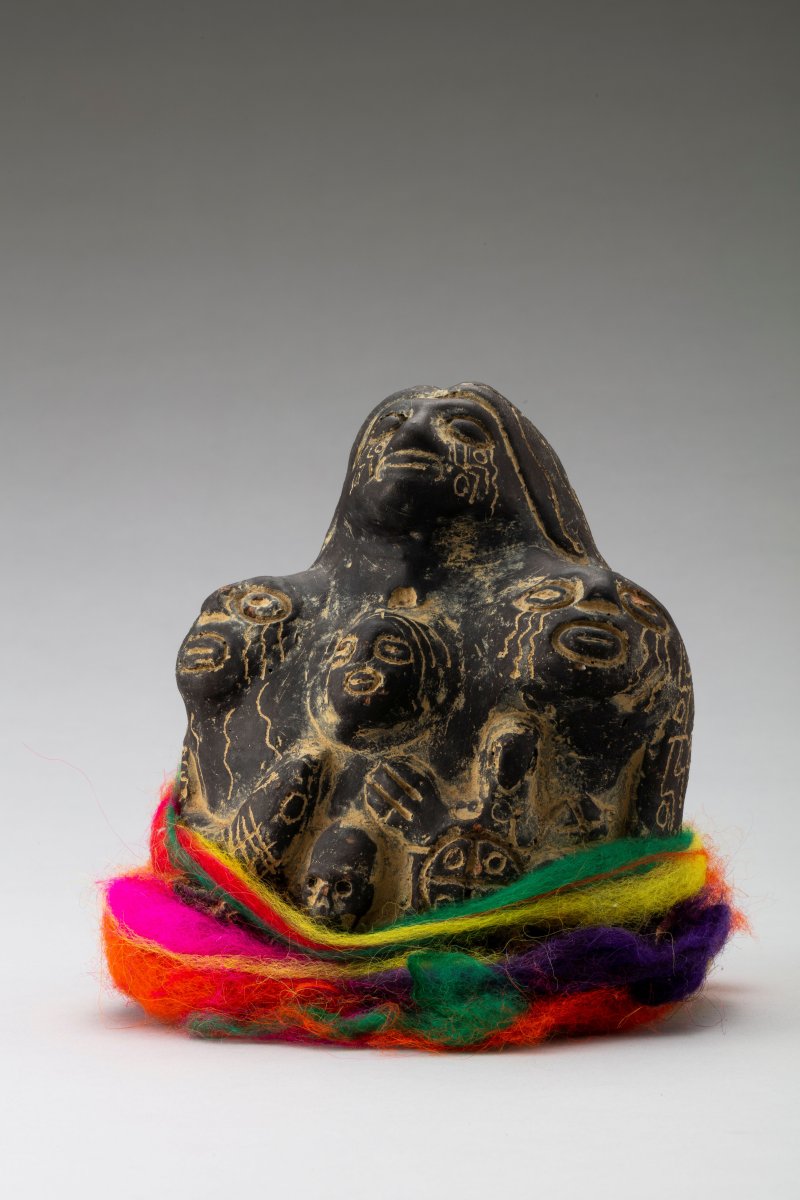
In addition, the exhibition presents childbirth customs from 14 countries around the world, including masks of the Bobo people of Mali, the Indian ritual valai kaapu that prays for a safe delivery, and a statue of Pachamama from Peru associated with prayers for fertility.
Finally, the exhibition looks broadly at the diverse "ways of being born" that Korean society now encounters, including adoption as well as biological childbirth. There is also a participatory space where visitors can record their own experiences of birth and being born. An event is being held in which expectant mothers who leave a photo proving their visit and share their impressions will receive an ultrasound photo album as a gift.
Jang Sanghun, Director of the National Folk Museum of Korea, stated, "As the saying goes that it takes a whole village to raise a child, I hope this exhibition will allow people to feel a sense of empathy and solidarity around childbirth."
rsunjun@fnnews.com Yoo Sun-joon Reporter