How Much Did Coupang Spend to Build Its Connections in the U.S.?
- Input
- 2026-02-09 13:39:15
- Updated
- 2026-02-09 13:39:15
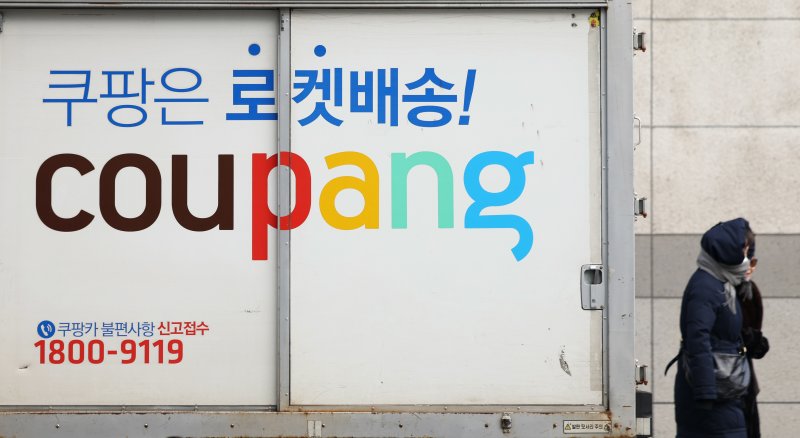
According to Financial News, the scale of lobbying funds that Coupang has spent targeting political circles in Washington has been revealed by U.S. media. Its lobbying expenditures surged after the launch of the Trump administration.
Politico reported on the 8th (local time) that Coupang spent 3.3 million dollars (about 4.8 billion won) on lobbying activities in the United States in 2024 alone. This amount exceeds the combined lobbying expenditures of the previous two years.
Coupang’s lobbying expenses reached 2.27 million dollars in 2025 as well. Politico stated, "Coupang aggressively expanded its lobbying activities after the Trump administration took office."
After establishing a corporate political action committee (PAC) in 2024, Coupang donated 100,000 dollars that same year to the John F. Kennedy Center for the Performing Arts (Kennedy Center), one of Washington, D.C.’s premier performance venues. The donation was made as the Kennedy Center’s board was being reshaped to center on conservative figures following President Donald Trump’s inauguration.
Its political contributions were also substantial. Last year, Coupang donated 198,978 dollars to lawmakers and election campaigns from both the Republican Party (GOP) and the Democratic Party. Of that, 15,000 dollars went to Republican Representative Jay Smith.
Coupang is also reported to have donated 1 million dollars for Trump’s inauguration. Politico noted that this contribution allowed founder and chairman Bom Kim to attend the inauguration ceremony.
Coupang mounted a broad-based lobbying campaign that targeted virtually every channel where policy discussions take place in Washington. Politico explained, "Coupang’s lobbying expenditures were not confined to a single issue," adding, "They have spread across Congress, the administration, and major industry lobbying organizations throughout Washington. Coupang has pursued a strategy of aligning itself with the United States, even if that meant clashing with the Korean government or complicating trade negotiations between the two countries."
Coupang also joined major industry lobbying groups such as the Computer & Communications Industry Association (CCIA) and the National Foreign Trade Council (NFTC).
Wendy Cutler, vice president of the Asia Society Policy Institute (ASPI) and a former deputy U.S. Trade Representative at the Office of the United States Trade Representative (USTR), analyzed, "Coupang won support from U.S. policymakers by focusing on what it framed as digital discrimination in Korea."
[email protected] Kim Kyung-min Reporter