25% US Tariff Hike Inevitable as a ‘Two-Way Variable’ in Korean and US Legislatures
- Input
- 2026-02-08 11:01:56
- Updated
- 2026-02-08 11:01:56
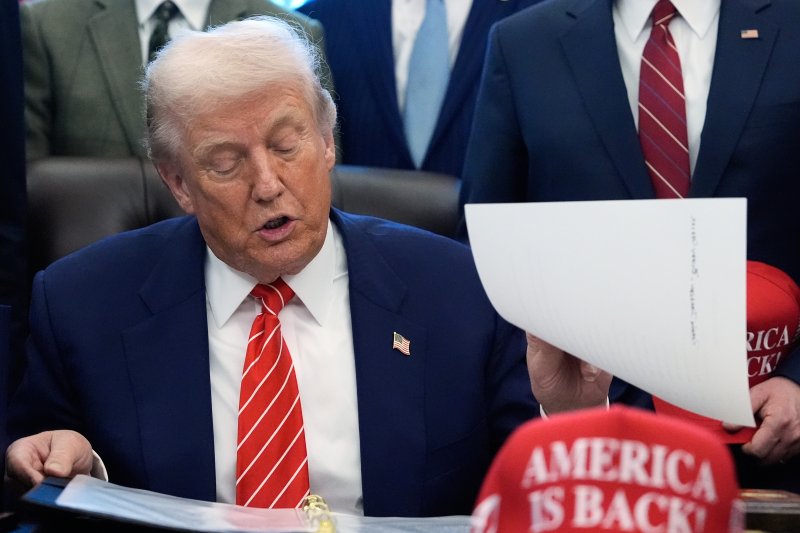
According to diplomatic sources on the 8th, even the White House is said to be closely monitoring political developments in both countries. The Trump administration has prepared only a draft notice for the 25% tariff hike and has yet to finalize when it will be published and take effect. The Korean government believes the administration has drawn up the draft and is continuing interagency coordination.
White House spokesperson Karoline Leavitt said on the 5th (local time), "We do not have a timetable for raising tariffs on Korea." Her comment came 10 days after President Donald Trump signaled the tariff increase on the 26th of last month.
The US Congress has been watching closely whether American companies were discriminated against in the Coupang hearing first held in the Korean National Assembly and in the subsequent police investigation. Lawmakers are also expected to examine whether there are any links between the Trump administration and Coupang. This debate intensified after President Trump recently named Kevin Warsh, currently an outside director at Coupang, as the new chair of the Federal Reserve.
Regardless of the Coupang hearing in the US Congress, the National Assembly will formally launch a Special Committee on the 9th at a plenary session to review the Special Act on Investment in the United States as part of efforts to block the US tariff hike. The committee will be chaired by a member of the People Power Party. The People Power Party had previously demanded that the act be subject to ratification by the National Assembly, but it recently withdrew that demand and agreed with the opposition to form the Special Committee. Lawmakers aim to pass the bill within the committee’s one-month mandate, and with no major partisan disagreements, it is expected to be approved within this month.
However, Seoul may also have to brace for the possibility that passage of the Special Act on Investment in the United States will coincide with the timing of the Coupang hearing in the US Congress. Although the Korean government has denied this, there has been considerable discontent in US political circles over how the National Assembly handled its hearing on Coupang, an American company.
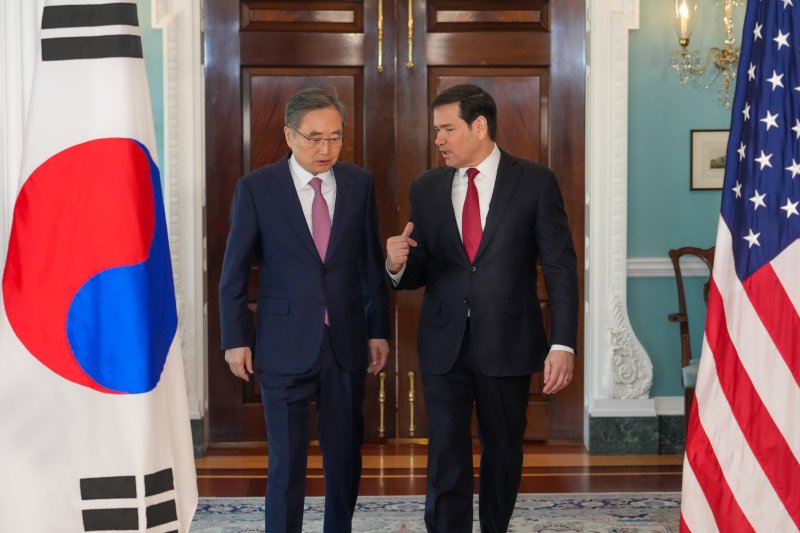
Similar complaints were reportedly raised during the Korea–US foreign ministers’ meeting on the 3rd between Foreign Minister Cho Hyun and United States Department of State (State Department) Secretary Marco Rubio. Rubio was quoted as saying, "The mood in the United States is not good," hinting at the seriousness of the situation.
Subsequently, the House Judiciary Committee issued a subpoena to Harold Rogers, acting head of Coupang Korea Corporation, ordering him to appear at a hearing on the 23rd and to submit communications records with the Korean government and the National Assembly.
Jim Jordan, the Republican Party (GOP) chair of the Judiciary Committee, and subcommittee chair Scott Fitzgerald argued that the Korea Fair Trade Commission and other government agencies are targeting US information and communications companies, including Coupang, and that Americans such as Rogers are even facing threats of criminal prosecution.
Attention is now focused on whether the Trump administration will finalize the tariff hike after the US Congress holds its Coupang hearing. Minister for Trade Yeo Han-koo noted, "Even after the notice is published, there is still room to negotiate the effective date of the increase." However, unless President Trump reverses course, tariffs are likely to rise immediately after publication in the official gazette.
[email protected] Kim Kyung-soo Reporter