It's a shame to only enjoy crabs in Uljin... I want to capture the sunset at Pohang Port as well [Weekend Leisure]
- Input
- 2026-02-06 04:00:00
- Updated
- 2026-02-06 04:00:00
【Uljin (Gyeongbuk)=Reporter Jeong Sun-min】 Uljin, Gyeongbuk, located on the backbone of the Korean Peninsula, was once considered a transportation outpost, but things are very different now. Access has become much easier with the opening of the Donghae Line (Gangneung-Busan) last year, and the high-speed train (KTX) has begun operating this year. It only takes four hours to take the KTX from Seoul Station to Uljin via Gangneung Station. Furthermore, the "2026 Uljin Snow Crab and Red Crab Festival" (February 27-March 2), where you can savor the "delicacy of the East Sea," Uljin snow crab and red snow crab, is scheduled to be held at the end of this month, so many people are already visiting. I visited Uljin, Gyeongbuk, where you can eat crab, soak in hot springs, and even go yachting.
\r\n
■Uljin Snow Crab and Red Crab Festival opens on the 27th
The Uljin Snow Crab and Red Crab Festival takes place in Hupo Port. Hupo Port, which first gained fame as a filming location for the late 1990s TV drama "You and I," is Korea's largest crab fishing port, brimming with its unique charm and energy. If you visit in January or February, when the crabs are plump, you can witness the auction of freshly caught crabs from the East Sea.
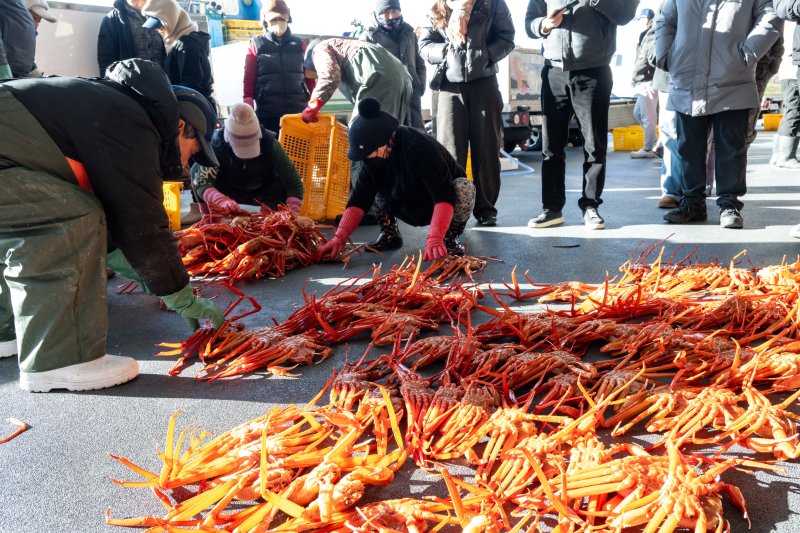
The crab auction is a must-see for tourists. Every morning, when large crabs are laid out on the market floor, the auction hall quickly fills with brokers and onlookers. The auctioneer reads the bids written on wooden boards held out by the brokers and announces the highest bid. After the auction, the crabs are loaded onto carts, and the waiting crabs are piled back onto the fish market floor, repeating the process.
Snow crabs, said to have been served even to the king, need a cold wind to fully ripen. While the peak season runs from December to May of the following year, plump, meaty snow crabs are available starting in February. Uljin, the world's largest snow crab producer, is considered the birthplace of snow crabs. According to "Dongguk Yeoji Seungram," compiled during the reign of King Seongjong of the Joseon Dynasty, snow crabs have been a specialty of Uljin since the Goryeo Dynasty.
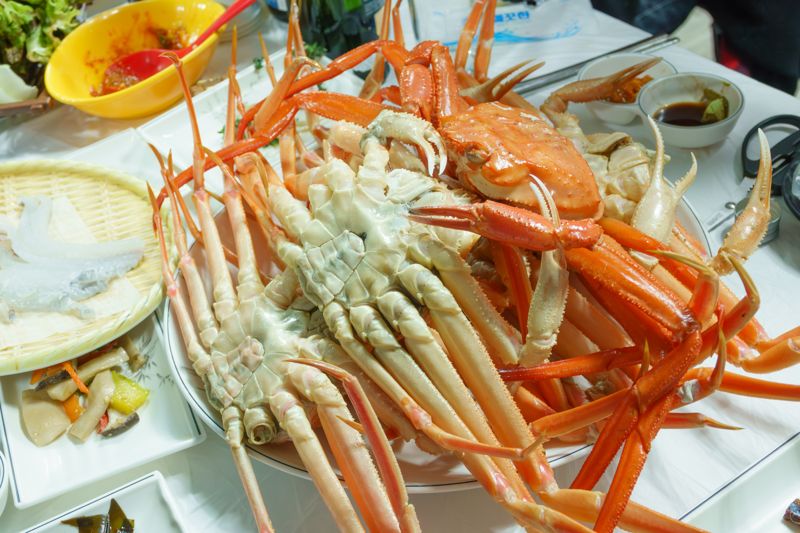
Snow crabs weren't given their name because of their large size. The eight legs extending from the body resemble dry bamboo. Snow crabs are edible, shell included. Steam them for 10-15 minutes, then break the legs and pull them apart to reveal the white flesh. Opening the crab lid and mixing it with piping hot rice is a delicacy among delicacies.
\r\n
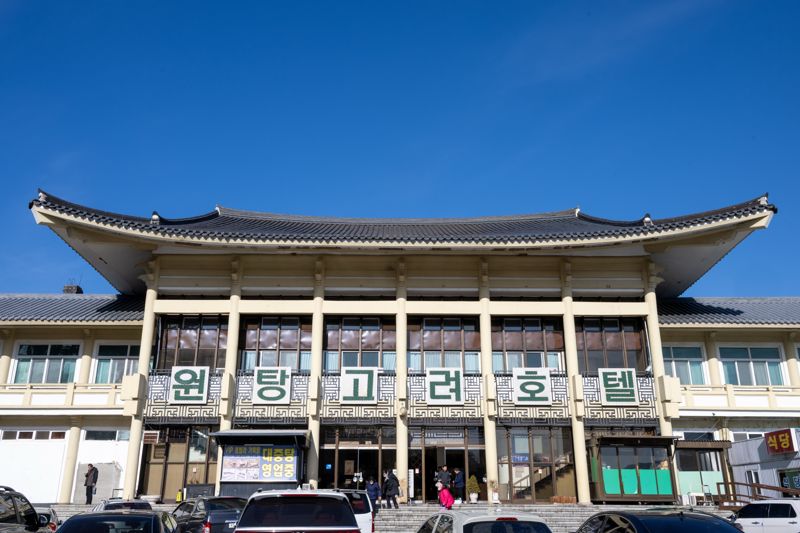
■"Healing at Baekam Hot Springs and Ride a Yacht"
Uljin is famous for its hot springs. Baekam Hot Springs in Onjeong-myeon, Uljin-gun, and Deokgu Hot Springs in Buk-myeon, Uljin-gun are the most famous. Although located in the same area, the two hot springs have different charms, so it's best to check out each one in advance.
Baekam Hot Springs is a traditional hot spring village nestled in the inland mountains of Uljin. It has long been a popular destination for treatment and recuperation. The water is a simple alkaline spring, mild and soft, making long baths comfortable. This makes it a popular destination for those seeking relief from joint pain and neuralgia, and the overall atmosphere is quiet and calming.
Deokgu Hot Springs, on the other hand, emphasizes the natural environment and experiential elements. Deokgu Hot Springs is Korea's only naturally occurring hot spring, where the water wells up naturally without the need for pumps. Its greatest appeal lies in the fact that the water, which is around 42 degrees Celsius, is used directly. Nestled among forests and valleys, the open-air baths and resort-style facilities offer both a relaxing soak and a relaxing travel experience. The experience of soaking in the open-air baths on a snowy winter day is a truly special experience.
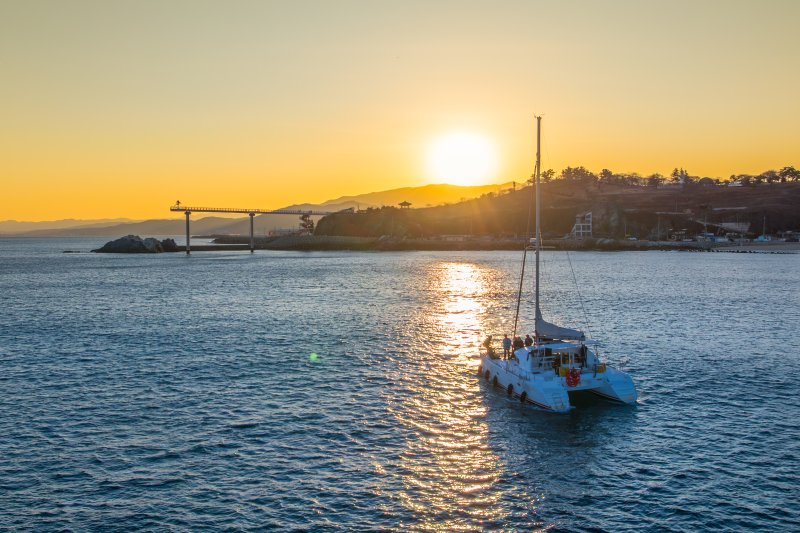
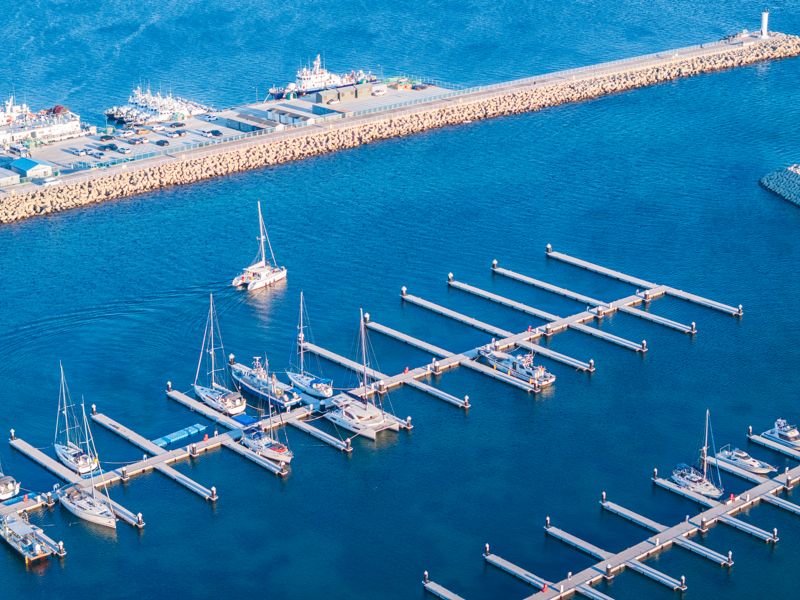
In Uljin, you can also enjoy a yacht ride, sculpting the sea breeze and gazing at the deep blue East Sea. Sailing departs from the Uljin Yacht School in Hupo Port. After leaving the moorings, the yacht glides across the azure waves of the East Sea, transporting passengers to a world of fantasy. Above all, the sunset view of Hupo Port from a yacht is superb.
\r\n
\r\n
■Wolsongjeong Pavilion and Seongryugul Cave, Two Scenic Spots in Uljin
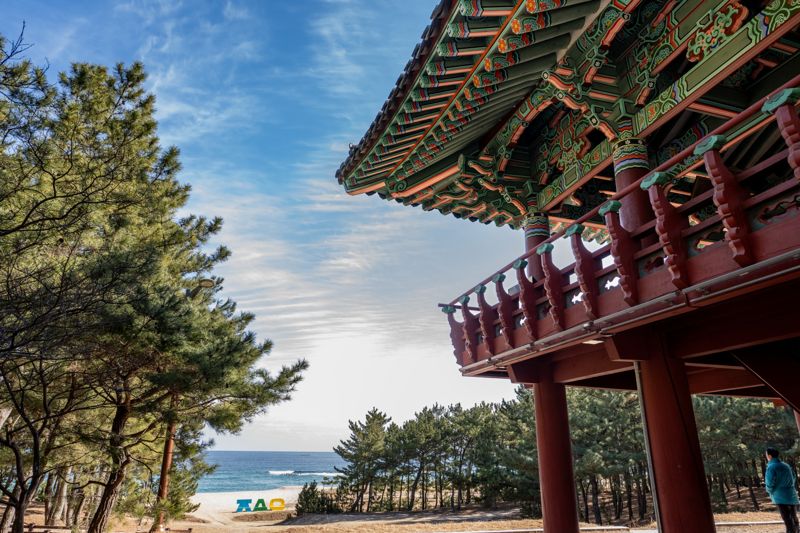
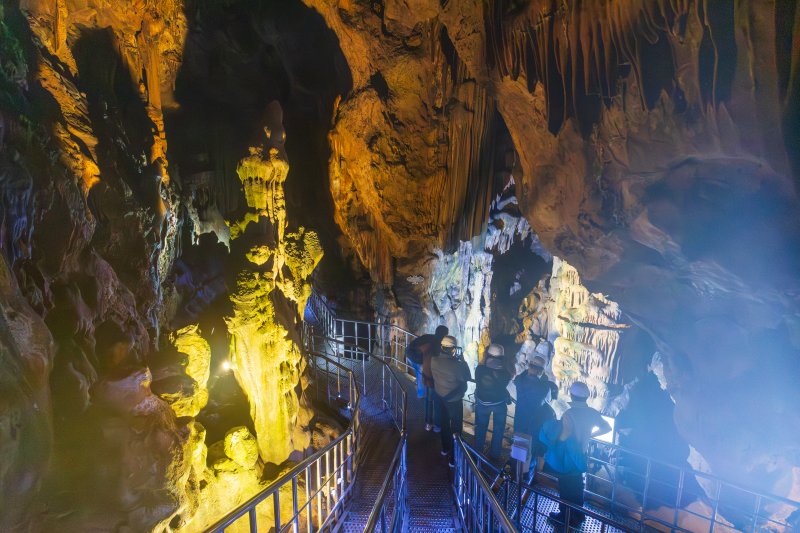
Uljin is home to many scenic spots, including Wolsongjeong Pavilion, one of the Eight Scenic Views of Gwandong, Mangyangjeong Pavilion, Bulyeongsa Temple, and Seongryugul Cave (pictured). Wolsongjeong Pavilion is an old pavilion first built during the Goryeo Dynasty, but was rebuilt in the 1980s in its original style. There are two theories about the name Wolsongjeong: one theory is that it was named Wolsong (月松) because it resembles a pine forest harmonizing with the moonlight, and the other theory is that it was named Wolsong (越松) because it symbolizes a hermit crossing the pine forest. The latter theory is more accurate.
The pavilion is surrounded by a dense forest of pine trees, making it great for walking, and the expansive view of the blue East Sea right before your eyes will leave you feeling refreshed. It's also quite enjoyable to admire the plaque (a framed plaque with inscriptions hung above a door) written by King Jeongjo, which captures the beautiful scenery here in poetry. The plaque, written in clear, clear script, was penned by former President Choi Kyu-hah.
Many visitors also visit Seongryugul Cave, located on the banks of the Wangpicheon Stream in Geunnam-myeon, Uljin-gun. Designated Natural Monument No. 155, Seongryugul has long been considered a sacred place. Iryeon's "Samguk Yusa" (Memorabilia of the Three Kingdoms) tells the story of Prince Bocheon, who practiced Buddhism here. Bocheon, the son of King Sinmun, the 31st king of Silla, abdicated the throne and devoted himself solely to Buddhist practice. He would sit in the cave, chanting Buddhist scriptures day and night, and his inner strength was so profound that he could soar through the air. The name Seongryugul (聖留窟) literally means "the cave where Bocheon, now a saint, stayed."
Gyeomjae Jeong Seon painted Seongryugul Cave. While serving as magistrate of Cheongha County in Gyeongsang Province (present-day Pohang) in 1734, Gyemjae produced several paintings, this one being one of them. The striking image is of a towering, sheer rock peak and the sharp, piercing Seongryu Cave beneath it, like the fierce eyes of a monster.
jsm64@fnnews.com Jeong Sun-min Reporter