The real motive behind Musk’s plan to tie together SpaceX and xAI, worth $1.8 trillion
- Input
- 2026-02-04 14:08:17
- Updated
- 2026-02-04 14:08:17
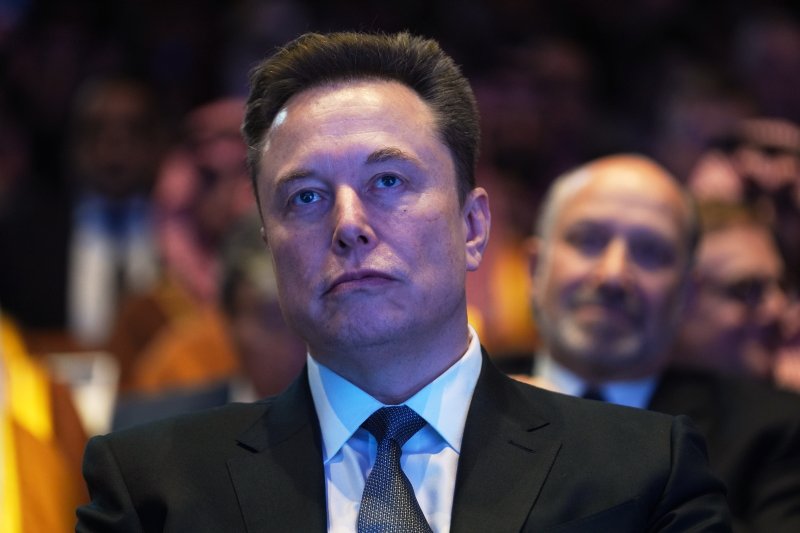
According to CNBC, the U.S. business news outlet, on the 3rd (local time), Musk said the main reason for combining the two companies was to build an “orbital data center” more efficiently. Industry experts, however, dismissed this as “a story about the distant future.” CNBC reported, “More likely, the primary goal is to resolve the far more urgent issue for xAI right now: a lack of cash.”
SpaceX, which is expected to pursue what could be this year’s largest initial public offering, may be Musk’s most reliable route to securing funds for AI development. If it goes public, SpaceX has reportedly planned to raise up to $50 billion (about 73 trillion won) at a valuation of around $1.5 trillion (about 2,176 trillion won).
Tim Farrar, head of satellite and telecoms market research firm TMF Associates, explained, “By integrating xAI into SpaceX, Musk can tap into investors’ seemingly endless appetite for AI companies, while also giving those AI businesses a stronger financial foundation despite their accumulated losses.” He added, “Right now people are pouring tens of billions of dollars into AI firms, but six or twelve months from now they may think differently,” and noted, “It is possible for xAI to raise money today, but that will not be the case forever.”
In practice, the cost of building xAI’s massive data center is rapidly burning through the capital the company has raised. According to a report the previous day by tech outlet The Information, xAI told investors it had spent about $9.5 billion (around 14 trillion won) over just nine months last year.
In early January, xAI closed an additional funding round that valued the company at about $230 billion (around 334 trillion won). Even so, it still lags in the AI race compared with rivals such as OpenAI, which was valued at $500 billion (around 725 trillion won) last October, and Anthropic, which was recently valued at $350 billion (around 508 trillion won).
Tesla, currently the only publicly listed company led by Musk, also said in its quarterly earnings report on the 28th of last month that it had “agreed to invest $2 billion (around 3 trillion won) by participating in xAI’s funding round.”
Industry experts further pointed out that Musk’s companies are benefiting not only from favorable capital markets but also from the Donald Trump administration’s easing of environmental, antitrust and other regulations. They warned, however, that this environment could change once Trump’s presidential term ends in three years, meaning there is a need to accelerate fundraising for SpaceX and xAI.
Farrar said that the reason Musk’s ardent fans and institutional investors support the complex web of Musk-centered deals—often dubbed the “Musk-onomy”—is their trust in him. But he cautioned that if any part of his “empire” were to collapse or go bankrupt, “all of that could start to unravel.”
[email protected] Reporter Hong Chae-wan Reporter