[Editorial] Growing Warning Signs in the Construction Sector: Financial Risks at Small and Midsize Firms Must Be Managed
- Input
- 2026-02-03 18:35:34
- Updated
- 2026-02-03 18:35:34
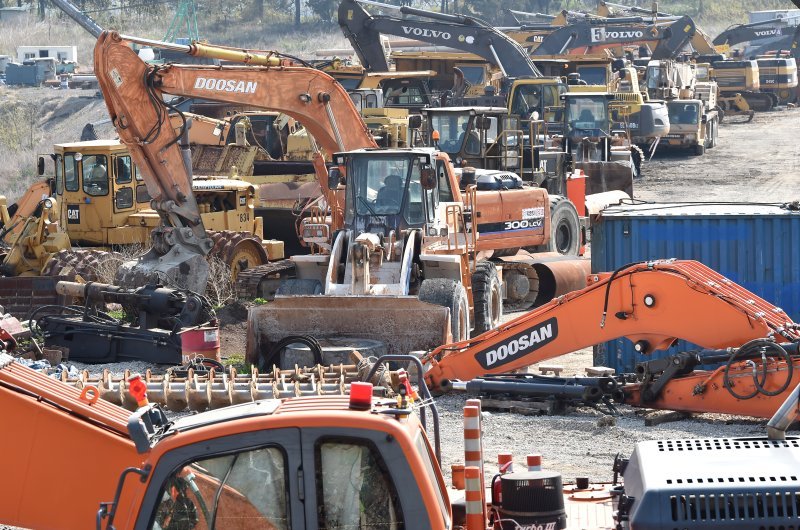
Construction affects a wide range of upstream and downstream industries, including steel, cement, machinery, and finance, through infrastructure projects such as roads and railways and the development of housing and industrial complexes. It not only creates substantial employment, but also acts as a buffer that supports both consumption and investment. In the Korean economy, construction is more than just one sectoral indicator; it is a key barometer of the broader business cycle. When construction activity contracts, the flow of funds is disrupted, regional economies take a direct hit, and growth inevitably slows.
The current downturn in construction stems from a deterioration in builders’ operating conditions due to rising material costs, combined with a prolonged period of high interest rates that has sharply increased financing costs. On top of this, a slump in the real estate market has delayed project starts and presales, while worsening local government finances and growing concerns over project financing (PF) have added further strain. As a result, both the public and private sectors are postponing investment, triggering a vicious cycle of shrinking construction volume, falling revenues, and weaker employment.
In this environment, small and midsize construction firms in regional areas are bearing the brunt of the downturn. The number of closure filings by general contractors rose from 641 in 2024 to 675 in 2025, and in January alone this year, dozens more companies shut their doors. An increasing number of builders have reached the point where they can no longer hold on. Reflecting this reality, Kim Yun-duk, Minister of Land, Infrastructure and Transport of South Korea, remarked last month, "It is clear that regional construction firms and local economies are festering."
A wave of construction company closures does not remain a problem for individual firms; it leaves deep scars across the broader economy. When small and midsize builders, which account for a large share of regional employment, collapse, on-site workers, subcontractors, and material suppliers all lose work in succession. This quickly leads to weaker local consumption and a downturn in commercial districts, eroding the economic strength of regional communities. If non-performing loans rise in the financial sector, investment sentiment across industries may also deteriorate. If construction-sector distress is left unaddressed, the economic downturn will only become more severe.
Support is needed for regional small and midsize builders facing temporary liquidity pressures. However, if such measures end up destabilizing the real estate market, confidence in government policy will be badly shaken.
The government should adjust housing supply systems and financial support programs in struggling regions to reflect on-the-ground realities, while at the same time carrying out orderly restructuring of firms that have lost competitiveness. A balanced approach is required—one that combines "carrots and sticks" to promote both market stability and a soft landing for the industry.