[Editorial] Move Beyond Statistical Illusions and Focus on the Cost of Living People Actually Feel
- Input
- 2026-02-03 18:35:29
- Updated
- 2026-02-03 18:35:29
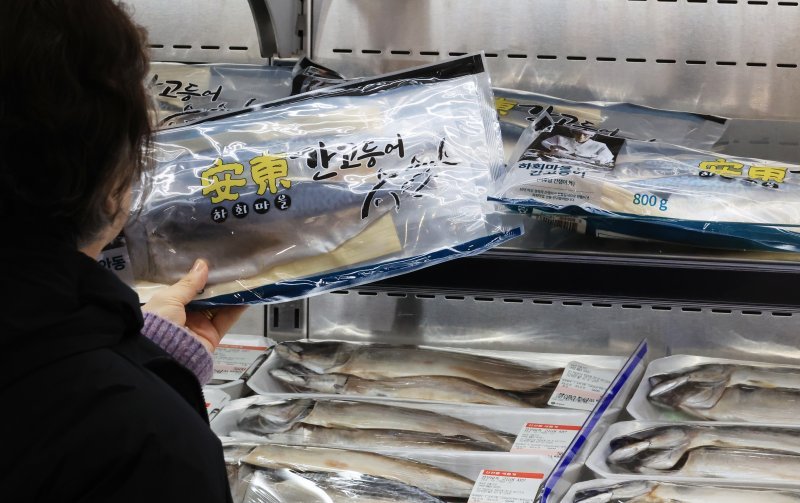
A closer look at the details shows that food prices have jumped significantly. Prices for everyday ingredients heavily consumed by ordinary households have surged: rice by 18.3%, instant noodles by 8.2%, apples by 10.8%, imported beef by 7.2%, mackerel by 11.7%, and yellow croaker by 21%. No wonder people say that even if they go to the market or supermarket with 50,000 won, there is hardly anything they can buy.
Back in the 1970s, a spike in rice prices like we are seeing now would have caused an uproar. Today, however, interest in the price of rice—the staple food—has waned to the point where we can almost say there is virtually no one going hungry. There are also many alternatives such as bread and other foods that can substitute for a meal. Perhaps mindful of rice-growing farmers, the government has all but stood by while rice prices soar.
But the situation is different for urban low- and middle-income residents who experience inflation mainly through what they pay at the checkout. When prices of food and other daily necessities rise, their household budgets inevitably become tighter.
If people have to spend more on food and drink, they have less left over for anything else. Leisure and cultural activities become out of reach. Older people with low incomes, in particular, will bear the full brunt of this rise in the perceived cost of living.
This is not just an issue for the lowest-income bracket; the middle class is in the same boat. Last month, maintenance fees for apartment complexes rose 3.9%, and tuition at private universities climbed 5.3%. Outpatient medical fees increased 2.0%, while premiums for private insurance jumped 15.3%. Under these conditions, few will trust a government announcement claiming consumer prices are at their lowest level in five months.
The prices the government should focus on are not the overall averages but the costs people actually feel—above all, food prices and other essentials that shape the perceived cost of living for ordinary households. It must not be blinded by the illusion created by average figures and overlook this reality. For many low- and middle-income people, soaring home prices feel like something happening in another world. They may suffer psychological shock from housing costs, but it is grocery prices that inflict real, immediate damage.
For high-income households living in homes worth tens of billions of won, a 10% or 20% increase in the price of rice or mackerel may not matter much. But for ordinary people, and even for the middle class, surging everyday living costs and food prices can translate directly into hardship and financial distress. The livelihoods that the government and politicians must safeguard are those of ordinary citizens, not the wealthy. They must pay constant attention so that these people do not struggle just to make ends meet.
Prices move according to supply and demand in the market, and there are limits to how much the government can intervene artificially. Even so, when the prices of essentials and food rise sharply, the authorities can still identify and correct any unreasonable structures behind them. The causes may lie in monopolies and oligopolies, or in distorted distribution channels. President Lee Jae-myung’s recent remarks about the price of sanitary pads are one such example.
Profiteering and unscrupulous business practices also hurt consumers. It is the government’s job to monitor these problems one by one and work to resolve them. No matter how many grand, formal meetings it holds on price stabilization, nothing will improve if officials do not get out into the field.
Rice prices, in particular, can no longer be left unattended. It is time to put urban low- and middle-income residents ahead of farmers in policy priorities. If rice prices keep rising, we may even see people who cannot afford enough to eat.