"Dollar Weakness Is the Ripple Effect of Trump’s Policy Whiplash"
- Input
- 2026-02-03 14:53:20
- Updated
- 2026-02-03 14:53:20
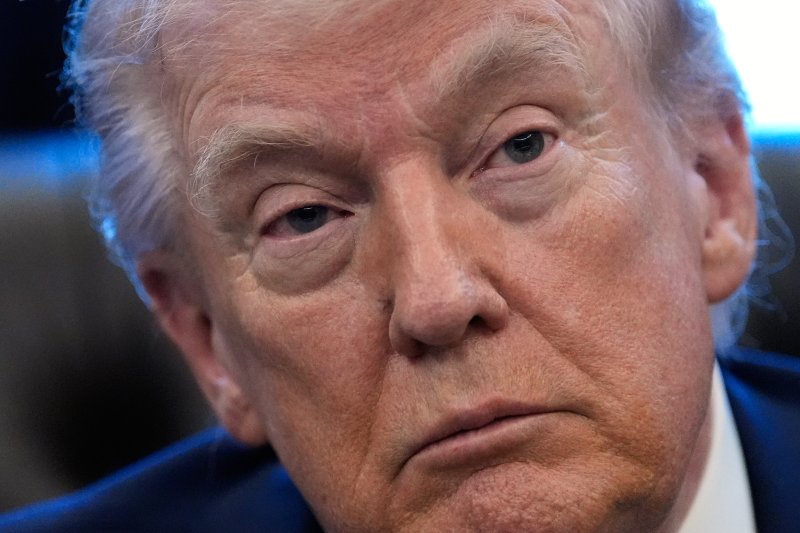
On the 2nd (local time), The Washington Post reported that the Trump administration’s frequent shifts on tariffs, currency, and foreign and security policy have rattled global investors, causing the dollar’s value to fall more than 10% over the past year.
The Post pointed to Trump’s reciprocal tariff announcement in April last year as a prime example. At the time, U.S. stocks, Treasuries, and the dollar all fell simultaneously, an unusual pattern. Stocks and bonds later recovered, but the dollar never returned to its previous level. Tariffs often lead to a stronger home currency, but in this case, markets reacted more strongly to policy uncertainty from the Trump administration, the paper explained.
A similar pattern has emerged in foreign and security policy. During the recent diplomatic flare-up over Greenland, Trump swung between hard-line and conciliatory remarks, adding to market confusion. The Post argued that this pushed safe-haven demand away from the dollar and into gold, driving gold prices up by about 80% over the past year.
Trump’s comments on monetary policy are also cited as a factor fueling dollar weakness. He has repeatedly pressured the Federal Reserve System (the Fed) to slash its benchmark interest rate. Even if the Fed does not cut rates as Trump demands, every time questions are raised about the central bank’s independence, markets price that risk into the dollar, the report noted.
Changes are also visible in the behavior of foreign investors. In the past, they invested in U.S. stocks and bonds without paying much attention to exchange-rate swings. Recently, however, currency-hedging trades to guard against a weaker dollar have surged. The Bank for International Settlements (BIS) analyzed that "in a period of dollar weakness, demand for currency hedging is actually amplifying downward pressure on the dollar."
Against this backdrop, some investors are diversifying away from U.S. assets. Over the past year, stock market returns in major countries such as the United Kingdom, Japan, and Brazil have outpaced those of the U.S. stock market, fueling skepticism about so-called "American exceptionalism." Experts predict that as long as markets remain uneasy about Trump’s policies, the dollar will continue to show heightened volatility and a weak trend.
Some, however, counter that a sudden collapse is unlikely, given the United States’ solid economic fundamentals and the unchanged status of the dollar as the world’s key reserve currency. Dan Ivascyn, Chief Investment Officer (CIO) at PIMCO, the world’s largest bond manager, said, "The United States is one of the strongest and most dynamic economies in the world," adding, "We should be cautious about declaring the end of the dollar."
[email protected] Hong Chae-wan Reporter