Rice Up 18%, Instant Noodles Up 8%...Consumer Prices Rise 2% in January
- Input
- 2026-02-03 09:02:23
- Updated
- 2026-02-03 09:02:23
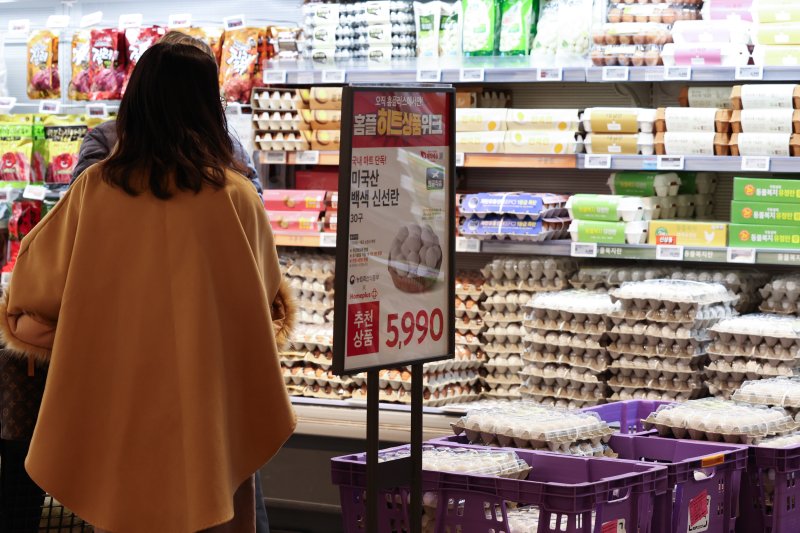
[The Financial News] Consumer prices in January were up 2.0% from the same month last year. This was slightly lower than the 2.3% increase in December and marked the lowest rate in five months. However, inflation has remained in the low-to-mid 2% range for five consecutive months since September last year. Higher exchange rates pushed up prices for agricultural, livestock and fishery products, diesel, gas and water, as well as private and public services, driving overall inflation. In particular, rice, a staple for ordinary households, rose 18.3% year-on-year, and instant noodles climbed 8.2%. Imported beef prices also increased by 7.2%.
On the 3rd, KOSTAT released its Consumer Price Trends for January. The consumer price index last month was 118.03 (2020=100), up 2.0% from a year earlier. Compared with the previous month’s 2.3% gain, the rate of increase was down 0.3 percentage points.
As international oil prices fell, gasoline and automotive LPG prices declined by 0.5% and 6.1%, respectively. In contrast, diesel prices rose 2.2%, and tap water charges increased 2.3%.
The index excluding food and energy climbed 2.0% from a year earlier, the same pace as in the previous month.
Food and non-alcoholic beverages rose 2.9%, while prices for food and accommodation services increased 2.8%, exerting a significant impact on overall inflation.
The living necessities price index was up 2.2%. Food prices rose 2.8%, a relatively large increase. Instant noodles went up 8.2%, and basic cosmetics also climbed 8.2%.
Processed foods such as bread and chocolate continued to become more expensive. Prices for bread and cereal products were 6.4% higher than a year earlier. Within that category, bread rose 3.3%, and coffee and tea increased 5.7%. Overall prices were 3.3% higher than a year ago. The weak won, which has raised import prices for raw materials, along with higher labor costs, has had a major impact.
Dining-out prices climbed 2.9%, showing a relatively large increase. Service prices overall rose 2.3%. Within this, monthly rent was up 1.1%, and lump-sum key money deposits (jeonse) increased 0.7%. Apartment maintenance fees also rose 3.9%. In addition, private university tuition increased 5.3%, and outpatient medical fees were up 2.0%. Personal insurance service charges surged 15.3%.
The fresh food price index fell 0.2% from a year earlier but was 1.4% higher than in the previous month. Fresh fruit and fish and shellfish prices were up 2.0% and 6.2%, respectively, from a year ago. Among fruits, apples rose 10.8%. Among fish, mackerel prices climbed 11.7%, and yellow croaker jumped 21%.
Among livestock products, domestic beef rose 3.7% and pork 2.9%, further straining household budgets. Due to the spread of Highly Pathogenic Avian Influenza (HPAI), shipments of eggs and chicken have decreased, driving prices sharply higher. Egg prices rose 6.8%, and chicken was up 2.7%. With demand for holiday food items expected to pick up ahead of the Lunar New Year in February, prices are likely to rise further.
Rice, the staple food for Koreans, saw a particularly steep increase of 18.3%. The retail price of a 20-kilogram bag of rice has again exceeded 65,000 won over the past three months.
Lee Doo-won, Director General for Economic Trend Statistics Review at KOSTAT, said, "Price increases for livestock and fishery products were higher than overall inflation," adding, "In particular, rice prices rose 18.3% in January due to reduced cultivation area and lower production, and have been posting double-digit growth since the second half of last year."
[email protected] Jung Sang-geun and Choi Yong-jun Reporter