"Alcohol-Dependent" College Woman Drinking a Bottle of Vodka a Day... "Teeth Rotting and Hair Falling Out" [Health Talk]
- Input
- 2026-02-02 10:46:49
- Updated
- 2026-02-02 10:46:49
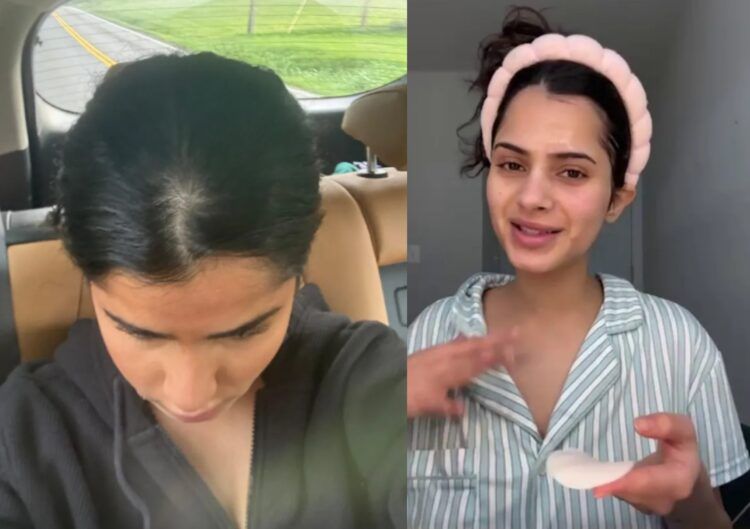
[The Financial News] The story has emerged of a college student who started drinking to relieve anxiety, continued for three years, and suffered serious side effects such as tooth damage and hair loss.
Foreign media including the British daily The Sun reported that Alquzama Zaini, a college student living in the Commonwealth of Virginia in the United States, began drinking after transferring to a new university to cope with social anxiety and the stress of adapting.
Alcohol, which initially served as a way to join social gatherings, gradually turned into something he relied on in daily life. His intake eventually increased to about a bottle of vodka a day.
Weight gain, swelling, fatigue and cognitive decline as alcohol dependence worsens
Zaini experienced tooth erosion and hair loss after drinking continuously for about three years. He also developed weight gain, swelling, fatigue and cognitive decline. Blood tests showed elevated liver enzyme levels.
The situation turned around in the summer of 2025. After witnessing his son in a state of extreme intoxication, Zaini's father urged him to come home on the condition that he stop drinking. Zaini took a leave of absence from university, moved back in with his family and began abstaining from alcohol.
He now monitors his condition with a breathalyzer and home testing, and his access to money is restricted to prevent him from buying alcohol. Zaini stated on his social media that the physical reactions during the early stages of sobriety were severe, but he recovered with close supervision from his family and changes in his environment.
Alcohol dependence is a physiological state in which the body adapts to alcohol and withdrawal symptoms occur when drinking stops. Alcoholism is a broader concept that includes dependence and encompasses behavioral and psychological problems in which a person loses control over drinking and life begins to fall apart.
Binge drinking over time causes malnutrition, sleep disruption and other harm
Among young people, alcohol dependence often begins not as simple mood lifting but as an attempt to manage anxiety and tension. Alcohol can temporarily ease tension, but it builds tolerance in the brain. When alcohol is absent, anxiety and insomnia worsen, creating a vicious cycle.
Young adults, confident in their health, can easily overlook warning signs. However, physical changes may appear first. Long-term heavy drinking leads to nutritional imbalances, sleep disturbances and reduced liver function. It is also accompanied by visible changes such as hair loss, tooth damage and swelling. Because of differences in alcohol metabolism, women reach high-risk drinking levels more quickly, and in fact the rate of high-risk drinking among women in their 20s is high.
According to the National Mental Health Survey of Korea, the 1-year prevalence of Alcohol Use Disorder (AUD) in the overall population is 2.6%, but it rises to 4.5% among those aged 18 to 29, the highest of any age group. Yet only 2.6% of those affected receive counseling or treatment. Delays in connecting people to the medical system allow drinking habits to become deeply ingrained in the brain.
Alcohol-related problems are not a matter of weak willpower but a medical condition that requires early detection and intervention. Quitting drinking cannot be achieved by determination alone. Concrete strategies such as changing one’s environment and blocking access to alcohol purchase channels help reduce the risk of relapse.
When an anxiety disorder is present, combining Cognitive Behavioral Therapy (CBT) with medication significantly improves the chances of success. For people who have been drinking heavily every day, withdrawal symptoms can begin within 6 to 24 hours after they stop. Because there is a risk of severe symptoms such as hallucinations and seizures, professional medical intervention is essential.
hsg@fnnews.com Han Seung-gon Reporter