OPEC Oil Producers Freeze Output in First Quarter Amid Geopolitical Tensions
- Input
- 2026-02-02 07:57:10
- Updated
- 2026-02-02 07:57:10
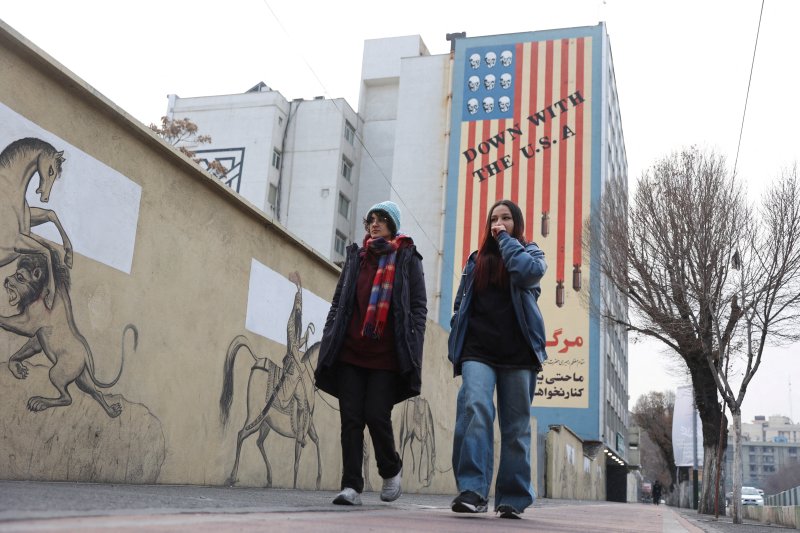
According to The Financial News, major oil-producing countries that are watching the uncertainty surrounding the United States of America (U.S.) and Iran have decided to keep oil production at current levels in the first quarter of this year, honoring the pledge they made last year not to increase output.
Consumer News and Business Channel (CNBC) reported that a group of eight producers, including Saudi Arabia and known as the "OPEC+ 8" for their voluntary cuts, held a virtual meeting on the 1st (local time) and reaffirmed their agreement to freeze production in the first quarter of this year. The OPEC+ 8, which forms the core within the broader OPEC Plus (OPEC+) coalition of 23 countries that includes 12 members of the Organization of the Petroleum Exporting Countries (OPEC), had first agreed at a meeting last November to maintain first-quarter output at current levels, and decided at the latest meeting to stick with that plan.
OPEC+ has been cutting production since 2022 to support oil prices, while the OPEC+ 8 implemented additional voluntary cuts on top of that. The OPEC+ 8 then shifted back toward increasing output from April last year, and by September had fully reversed the earlier voluntary reduction of 2.2 million barrels per day.
When the OPEC+ 8 announced the production freeze last November, their energy ministers said they had taken seasonal factors into account. At that time, industry officials were forecasting that a global oversupply of energy could emerge around 2026.
Jorge León, head of geopolitical analysis at Rystad Energy, pointed out that the U.S. had hinted last month at the possibility of military intervention in Iran in connection with anti-government protests there. He observed that "uncertainty surrounding Iran, the world's sixth-largest oil producer, is increasing, and with tensions rising between the U.S. and Iran, OPEC+ is keeping all options on the table." He added, "According to OPEC's own outlook, demand for OPEC+ crude is expected to decline in the second quarter, which could limit the scope for any production increase."
The latest decision comes as international oil prices have been strengthening amid geopolitical conflicts. The March contract for Brent Crude Oil in the United Kingdom traded at 70.71 dollars per barrel on January 29, the highest level in about six months since last July.
Market participants see the producers' move as an effort to stabilize prices in the face of uncertain energy demand. The OPEC+ 8 did not provide specific guidance at this meeting on OPEC+'s policy direction beyond the second quarter. The next meeting is scheduled for the 1st of next month.
[email protected] Park Jong-won Reporter