[Editorial] With disease control on high alert, the government must do everything possible to manage prices
- Input
- 2026-02-01 18:39:35
- Updated
- 2026-02-01 18:39:35
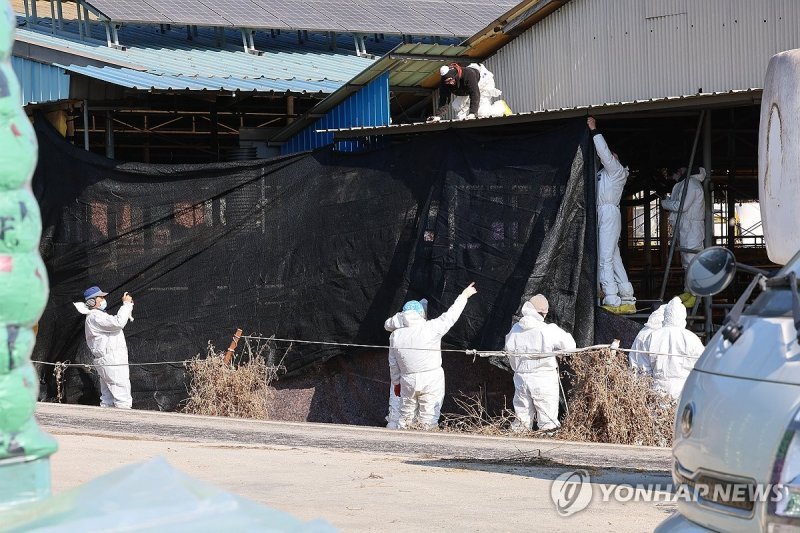
Livestock prices are currently climbing steeply. The price of Samgyeopsal is said to be up 6% from a year ago, and Hanwoo sirloin has risen more than 13%. Imports of U.S. beef were expected to help stabilize domestic supply, but the impact has been limited because of the weak won. Egg prices have already surged, thinning the wallets of ordinary households. In this situation, foot-and-mouth disease and other livestock epidemics are spreading simultaneously, making culling and movement restrictions inevitable. If these disease control measures are expanded, shipment volumes will fall further and act as a trigger for higher prices.
Overall price management will become even more difficult as livestock and processed food prices rise. The consumer price inflation rate has stayed in the 2% range for four consecutive months, exceeding the Bank of Korea (BOK)'s target. The government is trying to stabilize prices, but the exchange rate, which has been hovering near 1,500 won to the dollar, is putting strong upward pressure on import prices. Because of this exchange rate impact, the BOK has been keeping the base rate unchanged for several consecutive meetings. Unless concerns over the exchange rate, inflation, and housing prices are resolved, cutting the base rate will not be possible for some time. In the midst of this, a sharp rise in livestock prices caused by animal diseases would pose a major challenge to efforts to stabilize inflation.
The spread of foot-and-mouth disease not only fuels short-term price instability but also harms South Korea’s export competitiveness over the medium to long term. Because outbreaks of foot-and-mouth disease have been recurring, South Korea has not been able to obtain "foot-and-mouth disease free country" status from the World Organisation for Animal Health (WOAH). Without that status, there is a fundamental barrier to expanding exports of Hanwoo and other livestock products. In effect, the country is losing opportunities to sell its livestock products overseas.
The government has, of course, drawn up measures to stabilize people’s livelihoods during the Lunar New Year holiday, including operating slaughterhouses on weekends, increasing supply, and supporting discount programs at large discount stores. It is also seeking to stabilize egg prices by importing fresh shell eggs from the United States. However, what is fundamentally needed is to strengthen the disease control system in advance and with rigor. The recent outbreaks of livestock diseases appear to have exposed weaknesses in that system. The initial response is the most critical stage.
A failure in disease control does not end with damage to livestock alone. It will spill over into price instability and hardship for ordinary people. The government’s most urgent task is to block the spread of epidemics through thorough disease control and to lighten the burden on household grocery bills through proactive supply-demand management. This is especially true now, when demand is concentrated around the holiday season, and preemptive, systematic action is required.