Big Tech Hit Hard After Warsh Nominated as Fed Chair, Hawkish Tilt in Focus
- Input
- 2026-01-31 04:02:40
- Updated
- 2026-01-31 04:02:40
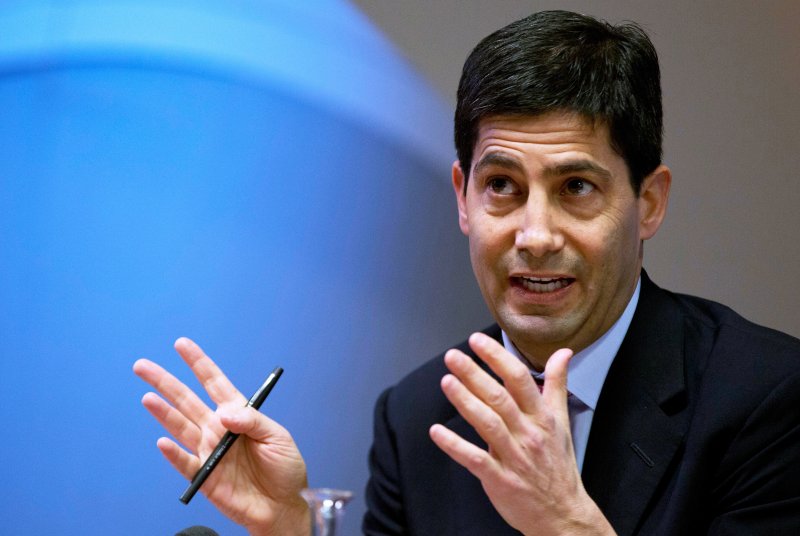
The New York Stock Exchange (NYSE) fell on the 30th, local time.
The decline came after U.S. President Donald Trump nominated former Federal Reserve System (the Fed) Governor Kevin Warsh as the next Fed chair.
Relief that the Fed’s independence would be preserved to some extent was offset by concerns over Warsh’s hawkish stance, which weighed on investor sentiment.
No panic
All three major NYSE indexes fell together on the last trading day of January. Each index dropped around 1%, with the steepest losses in stocks that had rallied sharply in recent months.
The Cboe Volatility Index (VIX), often called Wall Street’s “fear gauge,” jumped nearly 8% and broke above 18.
Meta Platforms, which had surged 10% the previous day, tumbled 3%, while NuScale Power, a small modular reactor (SMR) startup seen as a key beneficiary of power demand from artificial intelligence (AI), plunged 8%.
Advanced Micro Devices (AMD), which had been climbing for days, slumped 6%, and Micron Technology dropped 3%. Apple, which had reported stronger-than-expected earnings the day before, also slipped 0.8%.
Highly speculative quantum computing startups sank more than 8% across the board. Leading name IonQ, Inc. plummeted 8.2%, breaking below the 40-dollar level.
Investors had feared that if a politically driven figure who simply followed President Trump’s wishes were installed as head of the central bank, distrust in monetary policy could trigger capital flight from U.S. Treasury bonds and hurt equities. For now, those particular fears have eased.
Big Tech tumbles
However, Big Tech, which has powered the market’s gains, failed to provide support.
The main reason was renewed focus on Warsh’s hawkish leanings.
Trump wants interest rates to come down sharply, yet paradoxically his nominee Warsh is viewed as a hawk. In the past, Warsh was highly critical of the Fed’s quantitative easing (QE) and its aggressive money-printing policies.
Trump appears to have settled on Warsh out of concern that appointing a Fed chair who uncritically accepts his demands for deep rate cuts could trigger a “Sell America” wave in U.S. assets.
Given Warsh’s hawkish profile, markets concluded that the Fed might slow the pace of rate cuts compared with current expectations, or even pivot back toward tightening. That assessment hit stocks hard.
As a result, stocks whose valuations depend heavily on future growth, including Big Tech, came under strong downward pressure.
If interest rates stay elevated, companies face higher funding costs and the present value of their future earnings declines.
On top of that, doubts about the profitability of AI, highlighted in Microsoft (MS)’s earnings release on the 28th, further chilled investor sentiment.
[email protected] Song Kyung-jae Reporter