"Boss, Korean beef will ruin my gains"... The bold new hire who turned down a 50,000-won ribeye [Manager Kim vs. Lee, the new employee]
- Input
- 2026-01-31 08:00:00
- Updated
- 2026-01-31 08:00:00
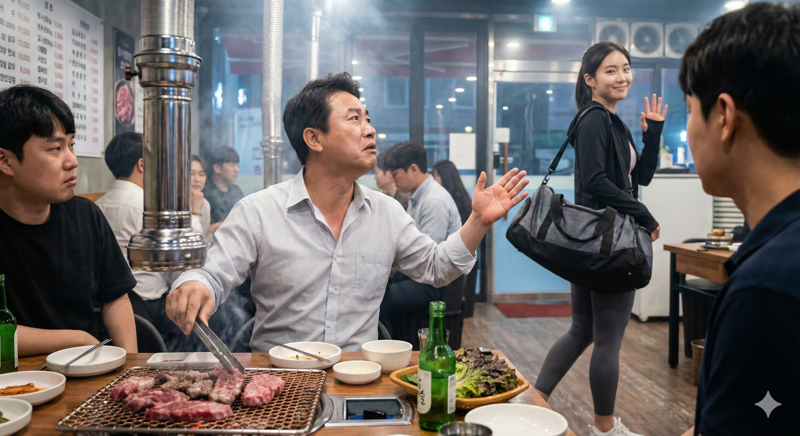
[Financial News] It is Saturday morning. After last week’s office "war over leaving on time," this time the battlefield is the workplace’s biggest headache: the company dinner.
It is a standoff between Manager Kim, who coaxes his team by saying, "I won’t force anyone to drink, let’s just have a good meal," and Lee, the new employee, who insists, "Please let me go after work."◇ "How about Korean beef for dinner tonight?"... Met with icy silenceAt 4 p.m. on Thursday, Manager Kim, a 48-year-old team leader, broke the silence with an excited voice. "Everyone, you’ve all worked hard, so dinner is on me tonight! How about I book a famous Korean beef place near the office? It’s on the corporate card!"
Manager Kim was secretly hoping for cheers. After all, it was a 50,000-won-per-person ribeye steak that people rarely buy with their own money. But the office reaction was lukewarm. Only the quick-witted mid-level managers chimed in with, "Oh! Sounds great," while Lee, the new employee, 27, looked visibly uncomfortable.
"Manager Kim, I already have plans, so I’ll have to sit this one out."
"What kind of plans? Is it something important?" "Yes, I booked a personal training session, PT. I can’t cancel because there’s a penalty fee."
Manager Kim felt deflated. He was not trying to force drinks on anyone; he simply wanted to treat them to top-quality meat and offer some encouragement. Being turned down with a gym excuse stung. He found himself wondering, "Do I really have to walk on eggshells even when I’m the one paying?" and felt bitter about it.◇ Manager Kim’s argument: "In Korea, sharing a meal is how we build ‘jeong’"For Manager Kim, a company dinner is not just about filling one’s stomach. It is a chance to step out of the stiff office environment, share good food, clear up misunderstandings, and build human bonds. To him, it is an extension of work and a social lubricant.
Manager Kim recalled, "In the old days, when we said there’d be a company dinner, everyone would skip meals and wait for it. Getting expensive meat for free was the best perk we had," and complained, "I just can’t understand how young people these days say no even when I’m treating them."
He added, "It’s not like I’m asking for this every day—just once a month. If they still refuse, I don’t know whether they really want to be part of a team or just live completely on their own," unable to hide his disappointment.
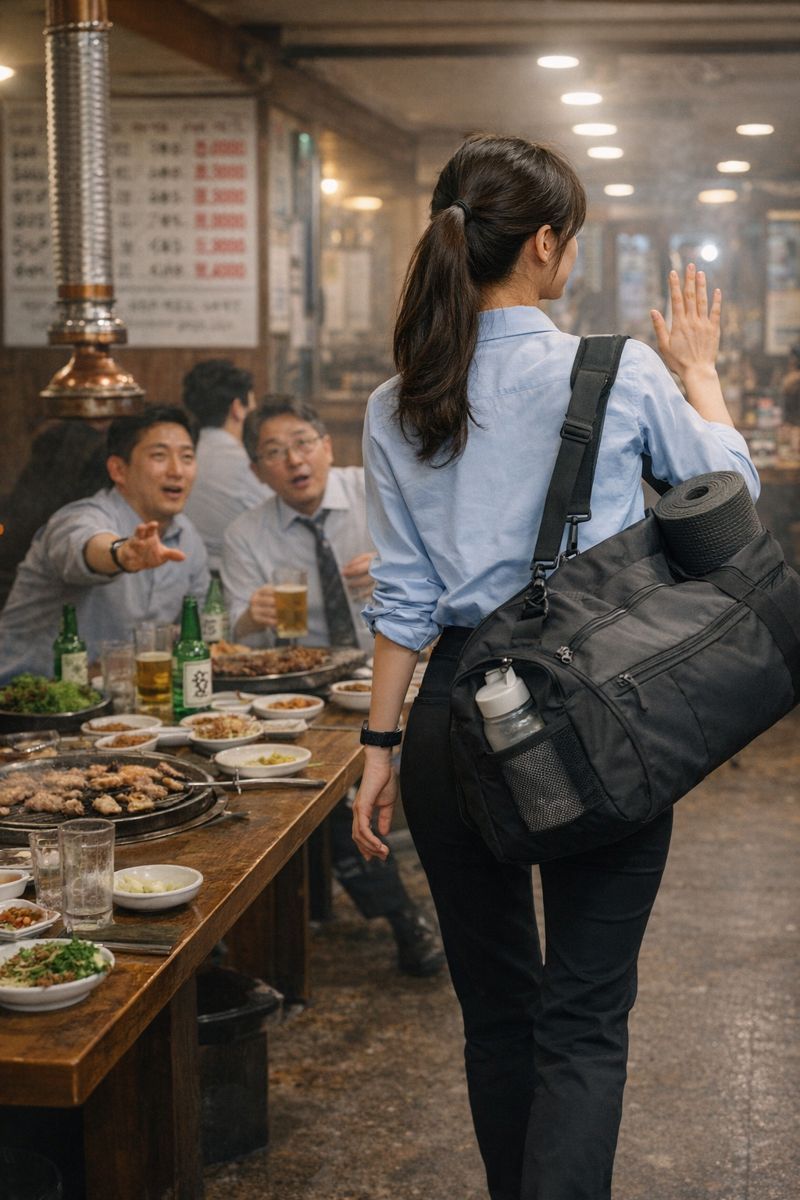
Lee, the new employee, stated firmly, "After work, I want to spend my time entirely on myself, whether that’s working out or watching Netflix," and added, "Expensive meat? It tastes much better when I pay for it myself and eat it with friends I’m comfortable with."
He went on, "My workout schedule is part of taking care of myself. I can’t accept having my plans ruined by a last-minute company dinner notice."◇ Changing company dinner culture: is there room for compromise?Company dinner culture has changed rapidly in the wake of COVID-19. The old drink-till-you-drop gatherings have largely disappeared, but the lingering pressure to attend still remains.
According to a survey by an online job search platform, the worst workplace benefit cited by workers in their 20s and 30s was "performative company dinners" held just for show. Managers, on the other hand, complain of a "lack of communication."
Manager Kim wants to be seen as "a good boss who treats his team to meat," while Lee, the new employee, is asking for "a life where evenings are your own." This weekend, when a company dinner is proposed, will you be excited—or will you be busy thinking up an excuse?
[email protected] Jeon Sang-il Reporter