Horses Beside Human Joy and Sorrow [Weekend Culture]
- Input
- 2026-01-30 04:00:00
- Updated
- 2026-01-30 04:00:00
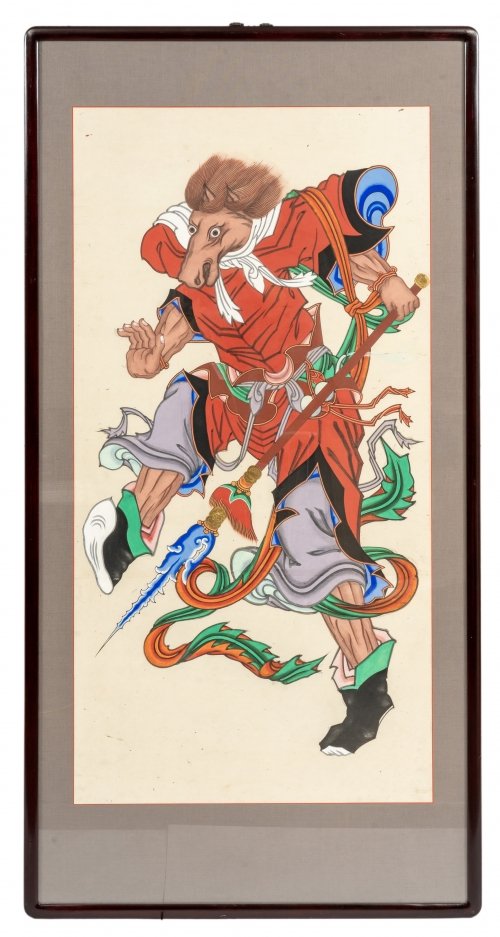
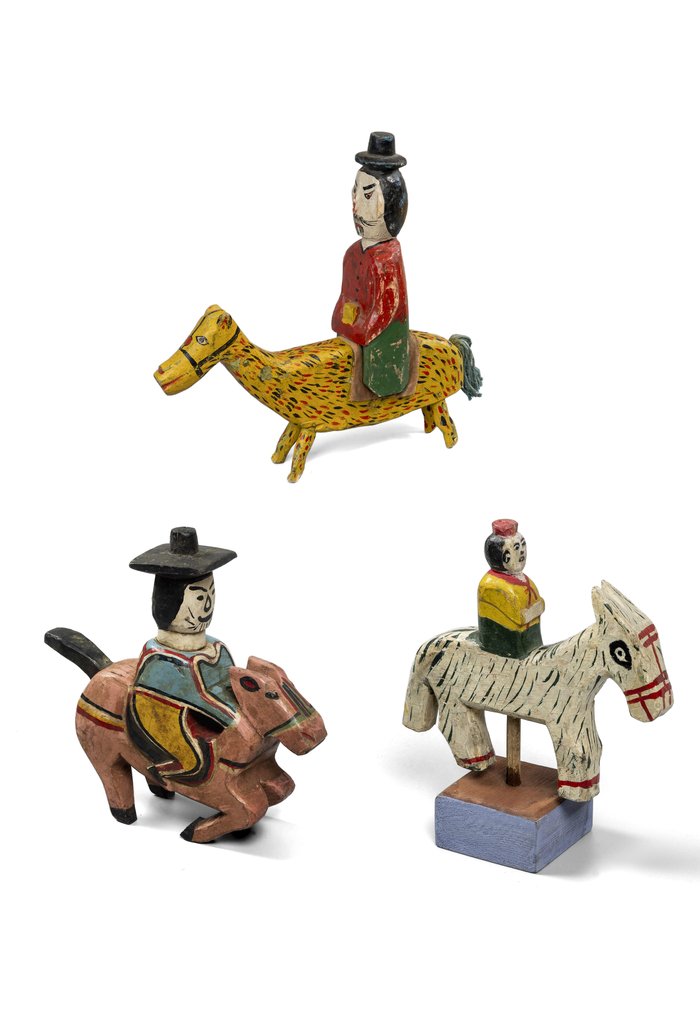
To mark the Byeong-o year, the Year of the Red Horse, an exhibition themed around horses is welcoming visitors in Samcheong-dong in Jongno District, Seoul. The National Folk Museum of Korea announced on the 29th that it will hold the special exhibition "So Many Horses: Horses in Our Daily Lives" through March 2.
Each year, through zodiac-themed exhibitions, the National Folk Museum of Korea has introduced the twelve animals of the zodiac and Korean folk culture. This year, it once again sheds light on horse culture and symbolism from multiple angles.
The exhibition is divided into three sections. Part 1 explores the "sacred horse." The White Horse General, holding The Sacred Blue Dragon, rides a horse between heaven and earth to protect human beings, while the Netherworld Emissary in the Ten Kings Painting guides the dead to the afterlife on horseback. These images show that horses were seen as more than mounts; they were perceived as mysterious intermediaries that crossed the boundary between this world and the next, between life and death.
Visitors can also learn about the apotropaic meaning carved into the horse bell. A horse bell is hung around a horse’s neck or used as an ornament to indicate the horse’s location and to prevent collisions. The demon-face pattern engraved on the bell is a charm wishing for the safety of both horse and rider, and it is meant to drive away malevolent spirits that could cause harm.
Part 2 looks at the appearance of Korean horses through depictions in Joseon Dynasty paintings and the many horses that accompanied a king’s procession. It also explores the history and related culture of the Jeju horse, now designated a natural monument, recalling the old saying, "Send a person born to Seoul, and a horse born to Jeju."
A highlight of the exhibition is the horse saddle, which not only protects the horse but also keeps the rider safe and comfortable. The double happiness character carved into the saddle expresses joy at weddings or other auspicious occasions and can be read as a message of happiness for the rider or the horse.
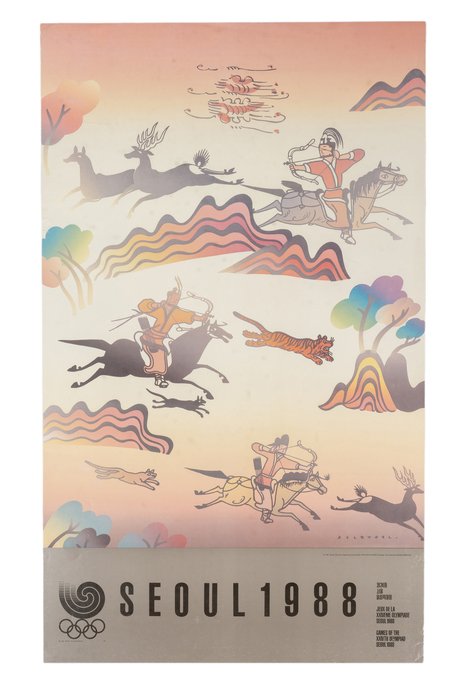
Part 3 examines the symbolism of horses and their meaning in different eras through artifacts closely connected with them. It offers a multifaceted view of horses by presenting the horses in the Hunting Scene of the Muyongchong Tomb of Goguryeo used on a poster for the 1988 Summer Olympics, the mapae (horse requisition tablet) carried by secret royal inspectors, the horse stable at a relay station within the relay station system, and Sergeant Reckless, the United States Marine Corps (USMC) warhorse who became a hero of the Korean War.
The Hunting Scene of the Muyongchong Tomb of Goguryeo, used on a poster for the Games of the XXIV Olympiad, is especially noteworthy. The mural depicts kings or nobles enjoying the hunt and displaying their bravery and authority. It symbolically links Goguryeo’s military power and way of life with modern sports.
The mapae is another key horse-related exhibit. In the Joseon Dynasty, it was a token issued by the state that allowed officials traveling on government business to borrow relay horses from the relay station system. It is similar in concept to using a government vehicle for a business trip today. The number of horses engraved on the round copper tablet indicated how many horses the holder was entitled to requisition.
The exhibition also shares warm messages through four-panel comics that use folk artifacts to tell the stories of prominent figures born in the Year of the Horse, including Jeong Yak-yong (pen name Dasan, 1762–1836) and Kim Jeong-hui (pen name: Chusa, 1786–1856).
During the exhibition period, visitors can also enjoy experiential programs such as performances on the morin khuur (horsehead fiddle), tango performances, making horseshoes with dakjongi paper, and crafting wool horse ornaments. A key feature of this event is that it extends the exhibition from something to "look at" into something to "experience firsthand."
One program invites participants to write a famous saying by Jeong Yak-yong using a mamopil, prompting reflection on both horse culture and the thought of Joseon intellectuals. These hands-on programs run near Special Exhibition Hall 2 from 10 a.m. to 4:30 p.m. during the exhibition period and are offered on a first-come, first-served basis.
Jang Sanghun, Director of the National Folk Museum of Korea, said, "Horses have been companions that expanded human life and imagination," adding, "I hope this exhibition will be an opportunity, at the start of the new year, to reflect on the meaning of horses in our daily lives."
rsunjun@fnnews.com Yoo Seon-jun Reporter