[Editorial] Effectiveness of the ‘scraped‐together’ supply of 60,000 homes hinges on speed
- Input
- 2026-01-29 18:11:09
- Updated
- 2026-01-29 18:11:09
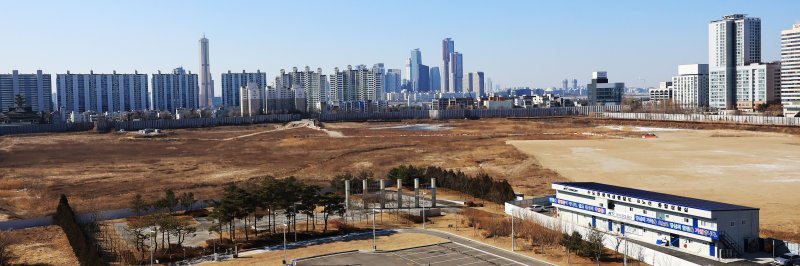
This plan places clear emphasis on supplying homes in urban centers. Of the total, 32,000 units will be in Seoul, accounting for more than half, and another 16,000 will be in Seongnam City and Gwacheon City, which are close to Seoul. Some sites, such as the Yongsan International Business District (10,000 units) and Taereung Country Club (6,800 units), will see large-scale supply, but there are also many locations where the number of units is only in the dozens, including Dongjak Post Office (30 units), Gwanak Tax Office (25 units), and Namincheon Post Office (29 units). In effect, this is a "scraped‐together" supply plan that pulls in everything from aging government buildings to leftover parcels of land.
In that sense, the plan strongly reflects the government’s intention to supply housing where demand is concentrated. However, if it fails to secure the consent of local governments and nearby residents, the projects could be blocked once they move into the implementation phase, leaving the supply plan spinning its wheels. Taereung Country Club, for example, was promoted under a previous administration but stalled due to local opposition. The Yongsan International Business District site also shows a discrepancy: the Seoul Metropolitan Government has agreed to 8,000 units there, 2,000 fewer than the 10,000 units envisioned in the current plan. The authorities need to finalize the numbers quickly to reduce uncertainty.
To send a clear signal to the market and help stabilize prices, it is crucial to push these projects forward with a strong sense of urgency. Of the 60,000 homes included in the plan, only about 918 units on a former military site in Gangseo District, Seoul, are scheduled to start construction next year. The vast majority will not break ground until after 2028. This is why critics argue that the plan is insufficient to resolve the severe supply crunch expected when the number of units coming on line plunges in 2028 and 2029. If rising construction costs create funding problems, the timing of supply could be delayed even further.
Alongside direct supply measures, the government is reportedly considering using repeatedly deferred policies such as heavier capital gains taxes and higher property holding taxes to induce more listings. At first glance, the idea that higher tax burdens will push homeowners to put properties on the market sounds plausible. Yet it also carries significant risks, including higher jeonse rents and a lock‐up of listings. In particular, treating even non‐owner‐occupied single‐home owners as speculative players and subjecting them to punitive tax rates could sow confusion in the market, so a cautious approach is required.
Given the limits of public‐sector supply measures alone, solutions to the housing shortage must also be sought in the private sector. Nevertheless, the latest plan omits key steps to boost private supply, such as easing regulations on redevelopment and reconstruction. According to data from the Seoul Metropolitan Government, 39 out of 43 redevelopment zones scheduled for resident relocation this year are facing difficulties securing relocation funds because of loan restrictions. With private redevelopment projects—responsible for a large share of Seoul’s housing supply—being delayed by financial and administrative regulations, it will be hard to fill the looming supply gap. The government needs to consider realistic measures that can relieve the chronic gridlock in private housing supply without overheating home prices.