The National Folk Museum of Korea opens its "Horses Are Many" exhibition...Encountering horses in folk culture.
- Input
- 2026-01-29 15:04:08
- Updated
- 2026-01-29 15:04:08
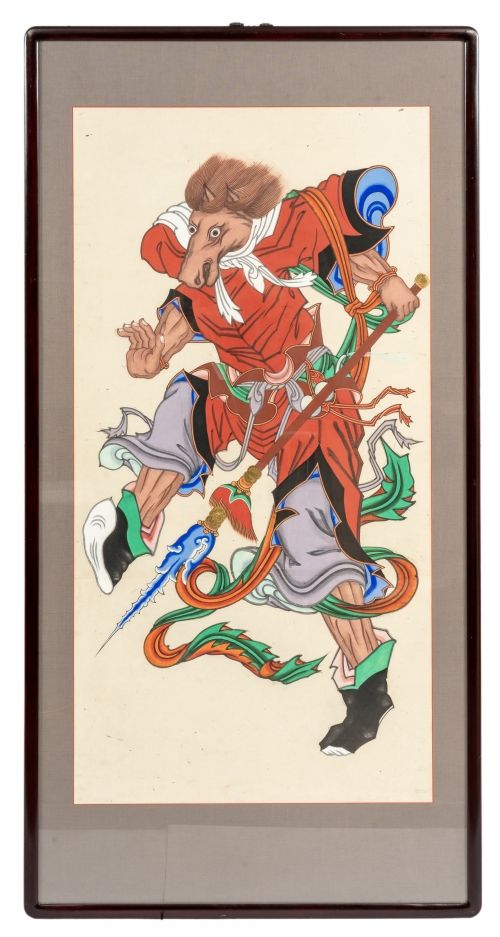
Courtesy of the National Folk Museum of Korea \r\n Musin painting. Courtesy of the National Folk Museum of Korea [Financial News] The Year of the Horse, 2026, has dawned.
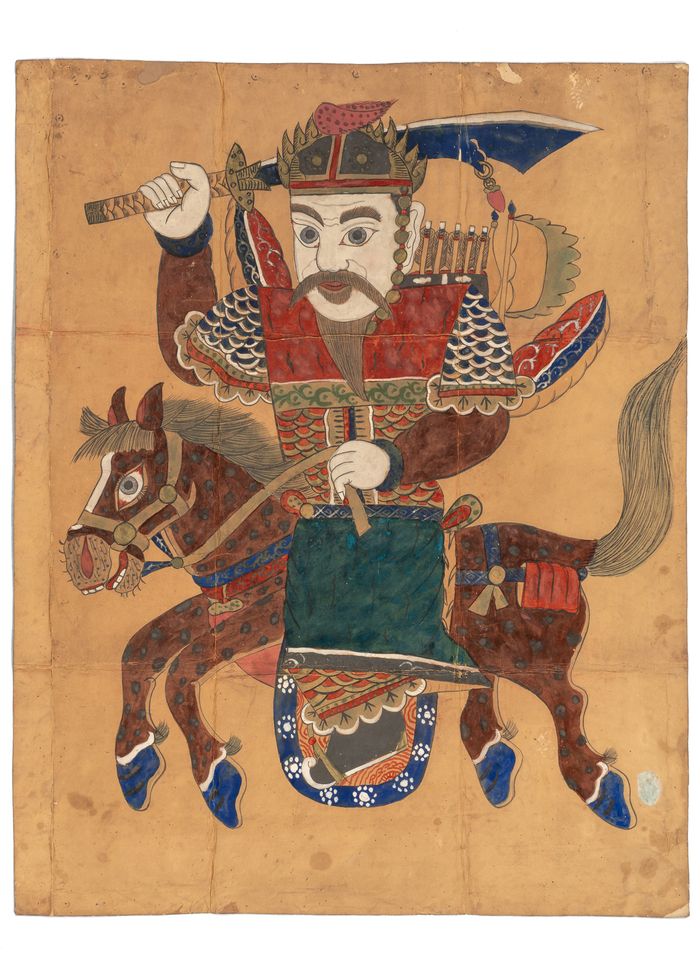
The powerfully advancing horse was considered an auspicious spirit that announced the 'emergence of a new nation' and carried 'earnest wishes'. Every time the Year of the Horse came around, our people looked forward to the year's fortune of hope, progress, and rise.In celebration of the Year of the Red Horse, an exhibition themed on 'horses' will welcome visitors in Samcheong-dong, Jongno-gu, Seoul. The National Folk Museum of Korea announced on the 29th that it will hold a special exhibition titled 'There Are Many Horses - Horses in Our Daily Lives' until March 2nd.The National Folk Museum of Korea, which has introduced the twelve zodiac animals and Korean folk culture through its annual zodiac exhibition, will once again shed multi-layered light on horse culture and symbolism this year. The exhibition consists of three parts.
Part 1 examines 'sacred horses. ' The white horse guardian holding the Blue Dragon Sword traveled between heaven and earth on horseback to protect humans, and the grim reaper appearing in the Ten Kings Painting rode a horse to guide the dead to the afterlife.
This shows that horses were recognized not only as vehicles, but also as mystical mediators that crossed the boundary between the afterlife and the living world. Kokdu.
Courtesy of the National Folk Museum of Korea \r\n Musin painting. Courtesy of the National Folk Museum of Korea [Financial News] The Year of the Horse, 2026, has dawned.
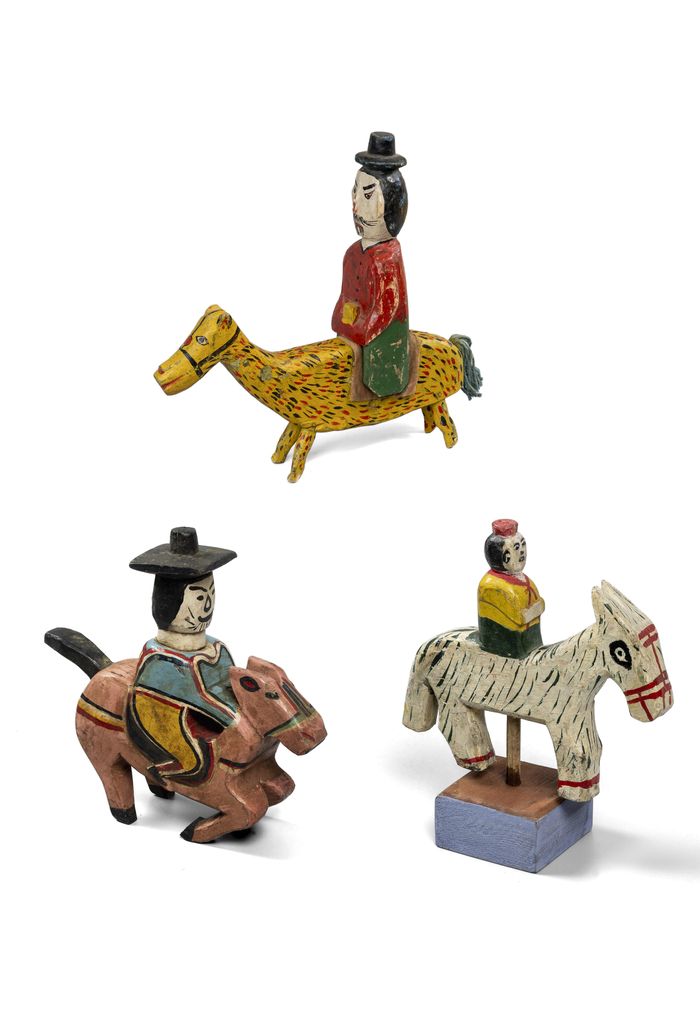
'Horse bells' are bells hung around a horse's neck or used for decoration, and they function to identify the horse's location and prevent accidents caused by the horse. The ghost face pattern engraved on the bell is an accessory that prays for the safety of the horse and its rider, and is meant to drive away evil spirits that could cause harm.
In Part 2, we will examine the appearance of our horses through the horses that appear in paintings from the Joseon Dynasty and the numerous horses that appeared when the king was in procession. In particular, as the old saying goes, "When a man is born, send him to Seoul, and when a horse is born, send him to Jeju," you can learn about the history and culture of the Jeju horse, which is now a natural monument.
The signature exhibit, the "horse saddle," not only protects the horse, but also serves to keep the rider comfortable. The "Ssanghee" (double pair) engraved on the saddle represents joy during weddings or other celebrations, and can be understood as a happy message signifying the joy of the rider or the horse.
Part 3 examines the symbolism and historical significance of horses through artifacts closely related to horses. Horses are illuminated in three dimensions through the hunting scene from the Goguryeo Tomb of the Royal Secret Royal Inspector General, the horse badges of secret royal inspectors, the stables of the horse barns installed at post stations, and the US Marine Corps warhorse "Reckless," which served as a hero in the Korean War.
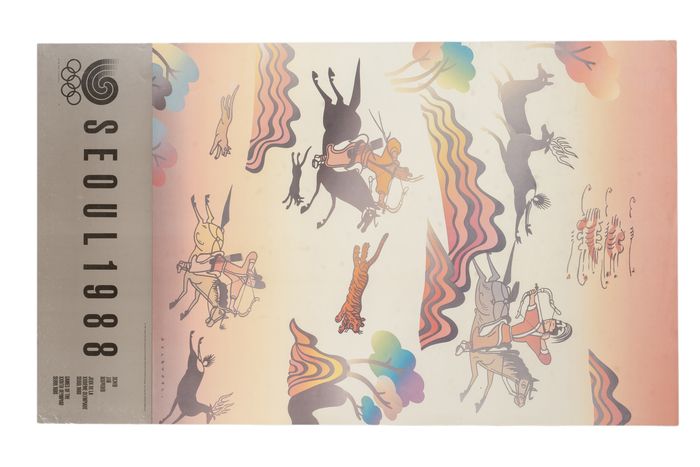
Poster for the 1988 Seoul Olympics. Provided by the National Folk Museum of Korea In particular, the 'Goguryeo Dance Tomb Hunting Painting' used in the poster for the 24th Seoul Olympics is a mural that draws attention as it depicts a scene where kings and nobles enjoy hunting and show off their bravery and authority.
Courtesy of the National Folk Museum of Korea \r\n Musin painting. Courtesy of the National Folk Museum of Korea [Financial News] The Year of the Horse, 2026, has dawned.
It is a certificate issued by the government during the Joseon Dynasty to allow the borrowing of a post horse, or a horse of a postman, when traveling to the provinces on official business. It can be understood as the concept of using a public vehicle when going on a business trip today.
The number of horses engraved on the round copper plaque indicates the number of horses the user can borrow. Hapicheop by Dasan Jeong Yak-yong.
Courtesy of the National Folk Museum of Korea \r\n Musin painting. Courtesy of the National Folk Museum of Korea [Financial News] The Year of the Horse, 2026, has dawned.
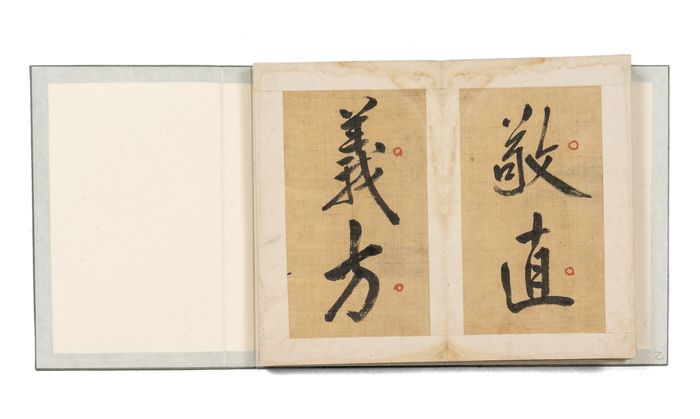
This event is characterized by expanding the exhibition content from 'seeing' to 'doing it yourself'. \r\nIn particular, the experience of writing Jeong Yak-yong's famous quotes with a worn-out brush brings to mind both horse culture and the thoughts of Joseon intellectuals.
The experience program will be held around Special Exhibition Room 2 from 10:00 AM to 4:30 PM during the event period, and participation is available on a first-come, first-served basis.
Director Jang Sang-hoon of the National Folk Museum of Korea said, "Horses are companions that have expanded human life and imagination," and added, "I hope this exhibition will serve as an opportunity to look back on the meaning of horses in our daily lives as we welcome the new year.
"
Courtesy of the National Folk Museum of Korea \r\n Musin painting. Courtesy of the National Folk Museum of Korea [Financial News] The Year of the Horse, 2026, has dawned.
Courtesy of the National Folk Museum of Korea \r\n Musin painting. Courtesy of the National Folk Museum of Korea [Financial News] The Year of the Horse, 2026, has dawned.
rsunjun@fnnews.com Yoo Seon-jun Reporter