"Don't ever eat this?" Calls to halt sales of Japanese hand cream that looks like candy
- Input
- 2026-01-29 08:50:37
- Updated
- 2026-01-29 08:50:37
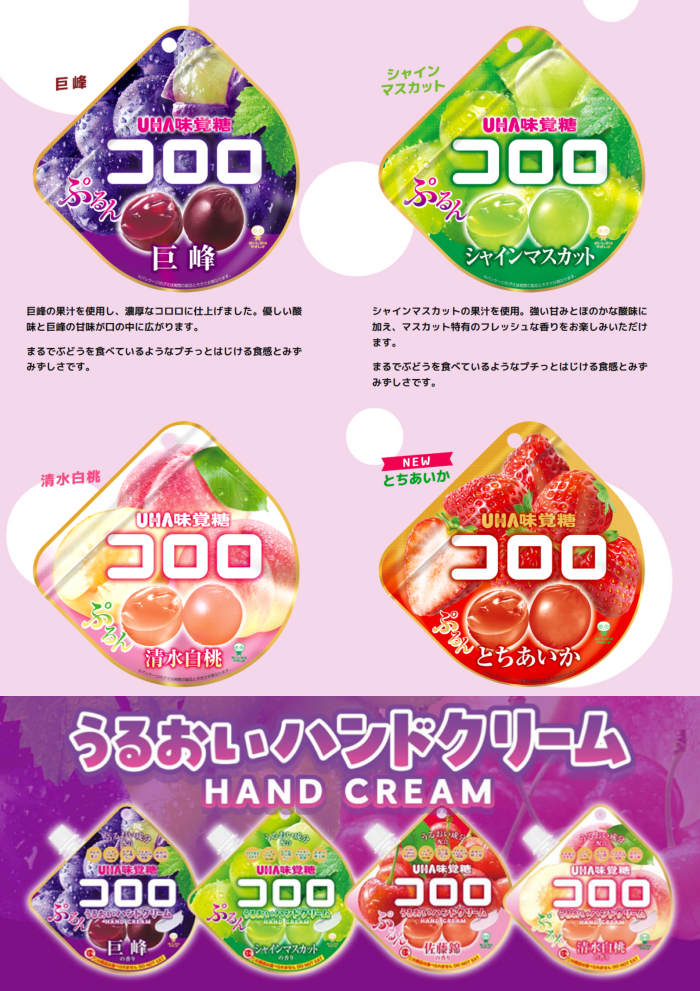
According to The Financial News, a hand cream that looks almost identical to the popular Japanese jelly snack "Kororo" has gone on sale, sparking a safety controversy in Japan.
"If you leave it next to a child, they will definitely eat it"... Parents grow increasingly worried
On the 29th, several Japanese media outlets including Fuji News Network (FNN) reported that the recently launched "Kororo Hand Cream" by Shobido is facing a wave of criticism on social media. Commentators argue that the packaging design and even the texture of the contents are so similar to the real jelly that children and older people could easily mistake it for food and ingest it.
"Kororo Hand Cream" was released last November as a collaboration between Shobido and UHA Mikakuto. The container uses a logo, colors, and fruit illustrations that are almost identical to the actual Kororo jelly packaging. It even comes in a pouch similar to the jelly bag, rather than in a tube or bottle, making it hard to distinguish from food at a glance.
In response, local users on X (formerly Twitter) and other platforms voiced concern, posting comments such as, "If you leave this on the dining table, kids will definitely put it in their mouths," "Elderly people with dementia could easily mistake it for jelly," and "If it is displayed anywhere other than a cosmetics store, it could be really dangerous."
Manufacturer issues urgent notice: "This is not food, do not eat"
As the controversy grew, Shobido, the manufacturer, issued an official press release on the 26th stating, "This product is a cosmetic and cannot be eaten, so please be careful," and urging customers to "store and use it out of the reach of children." The company also advised that if the product is accidentally ingested, people should rinse their mouth immediately and seek medical attention.
According to FNN, Shobido explained, "We designed the product while respecting the brand image of Kororo jelly, but we recognize that there is a possibility it could be mistaken for food," adding that it has printed the phrase "Do not eat" on the front and back of the package and on the cap. However, consumers argue that warning labels alone are not enough to prevent intuitive misperception, and they are calling for stronger measures such as a recall and suspension of sales.
Korea also faced controversy over "funsumer" marketing
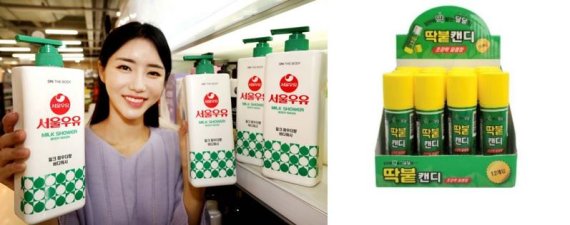
A few years ago, similar "funsumer" marketing also stirred controversy in the South Korean retail market. "Funsumer," a blend of "fun" and "consumer," refers to a trend in which people seek enjoyment and novel experiences in what they buy. Some Korean food companies jumped on this trend by releasing household chemical products that closely resembled food items, but they were heavily criticized over safety concerns.
Representative examples include On The Body Seoul Milk Collaboration Body Wash, which came in a milk-carton-shaped package; a Chamisul diffuser sold in miniature soju bottles; and Malpyo shoe polish chocolate, designed to look like actual Malpyo shoe polish. These products were criticized for posing a high risk of accidents for very young children who cannot yet read.
[email protected] Reporter Kim Hee-sun Reporter