[Editorial] Annual Births Back to 250,000: Seizing the Golden Window to Reverse the Low Birth Trend
- Input
- 2026-01-28 19:44:32
- Updated
- 2026-01-28 19:44:32
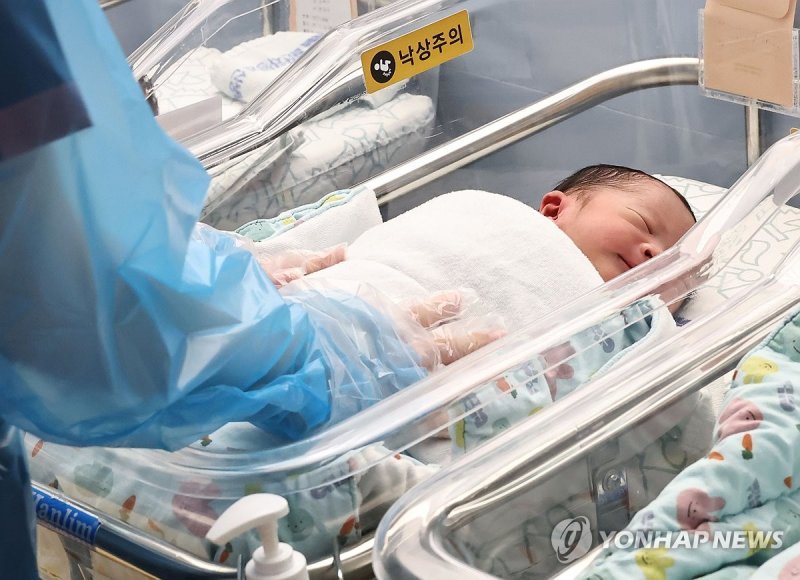
It is clear that the pattern of sharply declining births is beginning to shift. As the sound of newborns’ cries faded, the total fertility rate fell to a record low of 0.72 in 2023. Bleak forecasts poured out, warning that the nation could ultimately disappear. Some foreign media even likened Korea’s population decline to the era of the Black Death in medieval Europe. Fortunately, the number of births in 2024 rose to 238,300, an increase of 3.6% from the previous year, and the total fertility rate edged up to 0.75. This upward trend has continued into 2025.
The rebound in births is by no means a coincidence. It suggests that government measures poured in over the past few years—such as expanded parental leave and loan support for newlyweds—are starting to bear fruit. Yet it is far too early to relax. A total fertility rate of 0.75 is still less than half the Organisation for Economic Co-operation and Development (OECD) average of 1.58. A rate of 2.1 is needed just to maintain a stable population. The recent uptick is merely a slight lift off the bottom.
The reason for making an all-out effort to curb low births and population aging is that they have a profound impact on the national economy. An analysis by the Korea Institute of Public Finance (KIPF) shows that when the share of the population aged 60 and over rises by 10 percentage points, per capita Gross Regional Domestic Product (GRDP) falls by about 14%. Roughly 90% of this negative effect is attributed to lower labor productivity. The proportion of people aged 60 and above is projected to grow even more rapidly in the years ahead.
Low births inflict additional economic damage. The pool of young workers who drive innovation shrinks, and domestic markets for housing, automobiles, and home appliances contract. Because of the combined impact of low births and aging, the economy faces simultaneous contraction on both the production and consumption sides.
It is time to use the increase in births as momentum for a new phase of population strategy. To respond to aging, what is needed is not simply extending the retirement age, but flexible employment policies based on productivity and job suitability. These efforts must be closely linked with balanced regional development. Only by easing the concentration in the capital region and building quality jobs and educational infrastructure in the provinces can the rise in birth rates spread nationwide and prevent regional extinction.
In this sense, we have now entered a golden window of opportunity to engineer a decisive reversal of the low birth crisis. It is encouraging that population policies are beginning to show results. But this is no time for satisfaction or complacency; we must tighten the reins and break out of the impasse of ultra-low births.