"We Don't Perform Charye for Lunar New Year" in 6 Out of 10 Households...Holiday Food Enters the Era of Convenience Meals
- Input
- 2026-01-28 11:00:00
- Updated
- 2026-01-28 11:00:00
Households that do not perform charye (ancestral memorial rite) for the Lunar New Year now account for 63.9%, an increase of 12.4 percentage points from the previous year. The findings come from a survey on Lunar New Year agricultural and food purchasing behavior conducted by the Rural Development Administration (RDA) among 1,000 consumers in the Seoul metropolitan area.
According to the survey released by the RDA on the 28th, the share of households not holding charye was higher than for the 2025 Lunar New Year (51.5%) and Chuseok (62.5%). Even among households that still perform charye, there was a clear trend toward simplifying preparations by reducing both the quantity and the number of dishes. A total of 84.5% of respondents said their charye practices had become simpler than in the past, and 61.8% said they "cook some dishes themselves and purchase the rest" for charye food.
For items with more complex cooking processes, such as rice cakes and pan-fried dishes, the share of semi-prepared or fully prepared products was high. When purchasing these items, respondents placed the greatest emphasis on taste and country of origin. Only 47.3% of respondents said they planned to visit their hometowns during the Lunar New Year holiday, while 73.5% expected to eat mainly at home, a higher share than dining out or ordering delivery.
During the holiday period, 46.2% of respondents said they buy agricultural and food products at about the same level as usual, while 36.3% said they purchase more than usual. Large discount stores were the most common place to buy these products, followed by traditional markets and online shopping malls.
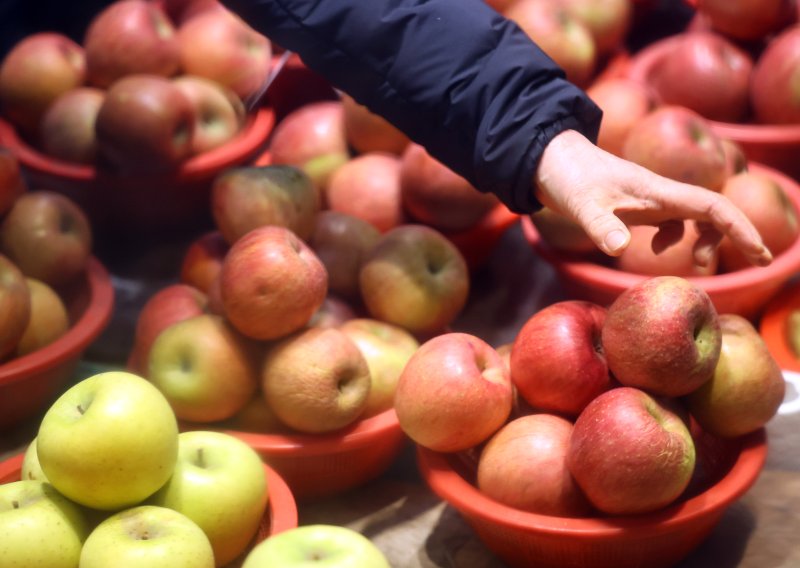
For fruits used in charye, the share of traditional domestically produced fruits was 80.3%, a slight decline, while purchases of new domestic fruit varieties and imported fruits increased. For meat and vegetables, products for everyday consumption accounted for a larger share than those specifically for charye, and respondents showed a clear tendency to prioritize country of origin and quality.
Regarding Lunar New Year gifts, 63.7% of respondents said they intended to buy gifts, and agricultural and food products were the most common choice at 77.1%. Large discount stores and online shopping malls were the main channels for purchasing gifts, and the average planned spending per person was 66,000 won.
Wi Tae-seok, Director of the Agricultural Management Innovation Division at the Rural Development Administration, stated, "As charye customs change, holiday consumption of agricultural and food products is becoming more everyday and more streamlined," adding, "Flexible shipment strategies are needed that take into account both peak holiday demand and the timing of repeat purchases after the holidays."
[email protected] Choi Yong-jun Reporter