Coupang Inc. and Others: U.S. Tech Regulation in Korea May Have Played a Role, WSJ Says
- Input
- 2026-01-28 05:05:17
- Updated
- 2026-01-28 05:05:17
On the 27th (local time), The Wall Street Journal (WSJ) reported that the Trump administration has taken issue with South Korea’s regulatory and investigative actions toward U.S. tech firms, and that this may be one of the factors behind the renewed tariff pressure. WSJ noted in particular that investigations and legislative efforts in South Korea concerning Coupang Inc. have intensified concerns within the U.S. administration and Congress.
Prime Minister Kim Min-seok is said to have discussed regulations and investigations involving U.S. tech companies operating in South Korea during his meeting with U.S. Vice President J. D. Vance in Washington, D.C., last week. At that meeting, the U.S. side reportedly conveyed the position that companies such as Coupang Inc. must not be subjected to discriminatory regulation or investigation.
Citing people familiar with the matter, WSJ reported that Vice President Vance stressed in his talks with Prime Minister Kim that U.S. tech companies, including Coupang Inc., should not face unfavorable treatment in South Korea during regulatory or investigative processes. The vice president’s office declined to comment on the specific details of the meeting.
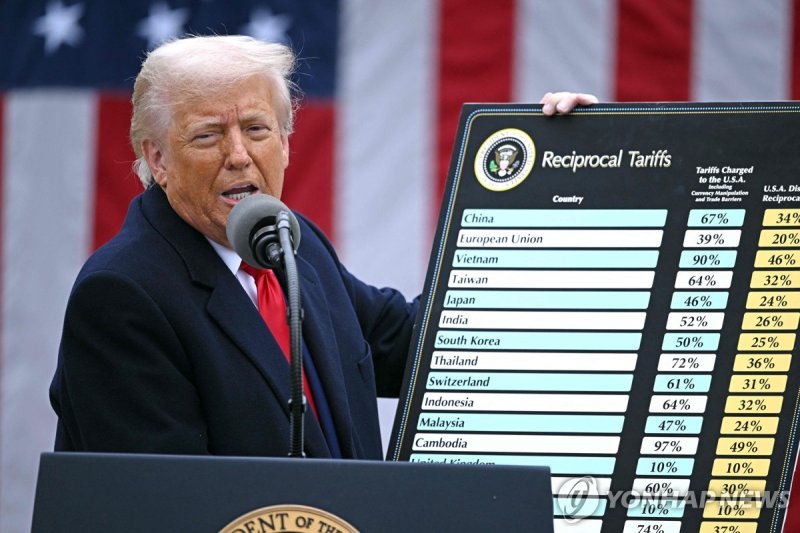
These discussions took place just before trade tensions between South Korea and the United States began to escalate. Donald Trump later wrote on the social media platform Truth Social that the South Korean National Assembly had failed to approve a provisional trade agreement between the two countries, and announced that tariffs on key South Korean exports such as automobiles and pharmaceuticals would be raised again from 15% to 25%.
The trade agreement in question includes South Korea’s pledge to invest 350 billion dollars in the United States and to refrain from discriminating against U.S. tech companies. President Trump explicitly cited the delay in ratifying the agreement as the reason for the tariff hike.
The White House, however, pushed back on interpretations linked to the WSJ report. A White House official stated, “The president lowered tariffs on South Korea, but South Korea has shown no progress in implementing what it promised in the agreement,” adding, “Technology regulations or other issues are unrelated to this decision.”
Meanwhile, in South Korea, the National Assembly and government agencies are conducting investigations and discussing legislation related to a personal data leak incident involving Coupang Inc. Since relocating its headquarters to the United States, Coupang Inc. has emphasized that it is a U.S. company, although the bulk of its revenue is still generated in South Korea.
Differences over the regulation of U.S. tech companies had already surfaced as an issue during the implementation of the bilateral trade agreement. The Office of the United States Trade Representative (USTR) canceled a scheduled meeting with the South Korean government in December last year, citing South Korea’s digital regulations and measures targeting U.S. tech firms.
[email protected] Reporter Lee Byung-chul Reporter