[Editorial] Trump shows his tariff whims again; bipartisan consensus is needed to persuade him
- Input
- 2026-01-27 18:40:47
- Updated
- 2026-01-27 18:40:47
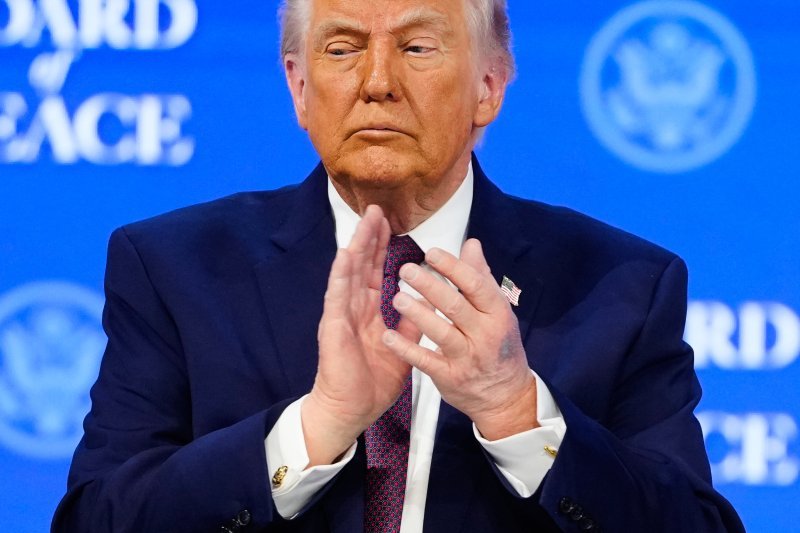
On the surface, the delay in the National Assembly’s passage of the Special Act on Investment in the United States is being singled out as the problem, but multiple complex factors are likely at play. Some analysts argue that, ahead of a ruling by the Supreme Court of the United States (SCOTUS) on the legality of reciprocal tariffs, there is a strategic calculation to lock in ROK investment in the United States before an unfavorable decision is handed down.
If this is the backdrop, then his move is at least somewhat predictable. The real concern is whether the tariff hike threat is being used as a card to express displeasure over the investigation into Coupang or to put the brakes on emerging digital regulations in the ROK that affect U.S. companies. Recent domestic political turmoil in the U.S., including a shooting incident during immigration enforcement operations, may also have influenced his stance.
If tariff pressure is being applied for reasons unrelated to tariff negotiations themselves, the talks will inevitably become more complicated. The government must carefully analyze both the stated reasons and the underlying motives behind President Trump’s tariff threats and respond with prudence. It should first defend our position and interests with a cool head, while at the same time responding wisely so as not to damage the alliance.
A multifaceted and strategic approach is needed to navigate this crisis wisely. Above all, Seoul should strengthen close communication channels with the Trump administration to dispel misunderstandings. It must convey its firm commitment to handling the Special Act on Investment in the United States, while clearly explaining our legislative procedures and timetable so that misperceptions can be resolved.
It is also true that there are significant disagreements between the ruling and opposition parties at home over the Special Act on Investment in the United States. The People Power Party (PPP) argues that the Memorandum of Understanding (MOU) between the two countries requires ratification by the National Assembly. The Democratic Party of Korea (DPK), on the other hand, introduced a bill last November, but discussions have stalled due to differences between the parties. This, however, is fundamentally an internal legislative procedure issue. The U.S. side needs a full and candid explanation of these domestic legislative realities and the expected schedule.
At the same time, this issue must be approached within the broader framework of South Korea–United States relations. The trade agreement between the two countries is not merely about tariffs and investment. It is intricately linked with security-related understandings, including the ROK’s construction of a nuclear-powered submarine, permission for civilian uranium enrichment, and nuclear reprocessing of spent fuel. It should also be emphasized that bilateral tariff negotiations are meant to pursue a "win–win" outcome that maximizes mutual benefit.
President Trump’s pressure is regrettable in that it departs from established norms of international diplomacy. All the more reason, then, to avoid emotional reactions and instead turn this crisis into an opportunity through cool-headed judgment and meticulous diplomacy. The potential impact of this dispute on the domestic economy cannot be taken lightly. The automotive industry is a core pillar of our economy, and higher tariffs could directly undermine its export competitiveness.
If the situation drags on, it could also become a risk factor for the stock market, which has recently been on an upward run. The government, the National Assembly, and both the ruling and opposition parties should pool their strength to resolve this issue and use it as an opportunity to advance South Korea–United States relations to a more mature stage.