Woman in Her 20s Dies After Worms Found in Stool: What Happened? [Health Talk]
- Input
- 2026-01-28 04:20:00
- Updated
- 2026-01-28 04:20:00
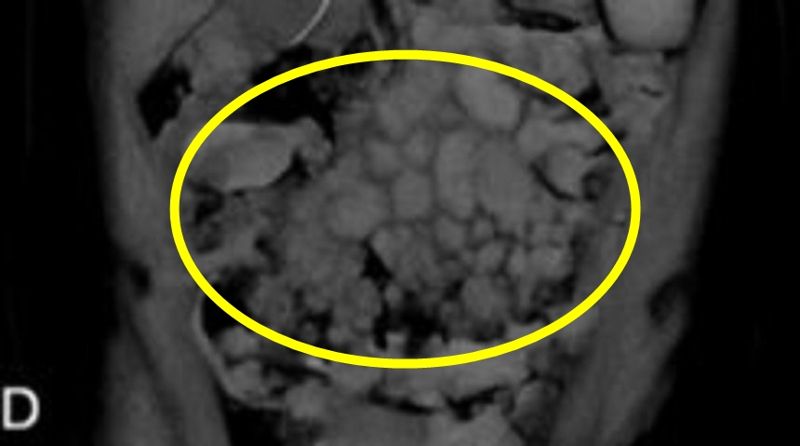
According to The Financial News, a woman in her 20s who had been diagnosed with blood cancer died after becoming infected with roundworms. Doctors believe that, in her cancer-related immunocompromised state, the parasites spread to major organs and caused fatal complications.
Physicians at Jose Eleuterio Gonzalez University Hospital in Mexico reported that a 23-year-old woman was admitted with systemic symptoms, including anemia and abdominal pain, and underwent detailed testing. She was ultimately diagnosed with Burkitt lymphoma, a type of Non-Hodgkin lymphoma (NHL).
Burkitt lymphoma is a blood cancer that arises from B lymphocytes, a type of white blood cell, and develops in the lymphatic system. It is classified as an aggressive form of NHL that progresses very rapidly. Lymphomas occur when lymphocytes transform into malignant tumors, which can infiltrate the bone marrow, blood vessels, and abdominal organs, often causing symptoms such as headaches, vomiting, and abdominal distension.
The woman also presented with unexplained jaundice, pancreatitis, and lung disease, among other problems. During treatment, a roundworm measuring about 15 cm in length was expelled, and a stool test later confirmed ascariasis. Although the medical team administered antiparasitic therapy, she ultimately died from refractory septic shock.
The medical team stated, "The patient was in a state of severe immunosuppression due to Burkitt lymphoma," and explained, "In this condition, the roundworm infection spread to multiple organs, including the pancreas and lungs, leading to complications." In immunocompromised patients, parasitic infections can remain latent without clear warning signs and be masked by other serious diseases, delaying diagnosis. The doctors added, "This case suggests that if infections hidden behind severe illness are missed in immunocompromised patients, they may lose their chance of survival."
Roundworm infection usually occurs through ingestion of contaminated water or food, and cases are relatively rare in Korea. Early on, there are often no noticeable symptoms, but as the number of worms increases and they mature, they can irritate the intestines and cause diarrhea or abdominal pain. They typically live in the small intestine, where they steal nutrients and impair its function. In rare cases, they migrate from the small intestine to organs such as the liver or stomach, triggering severe abdominal pain and vomiting; in such situations, surgical removal may be required. The worms can be eradicated with anthelmintic medications such as Albendazole or Flubendazole.
The case was recently published in the medical journal Cureus.
hsg@fnnews.com Han Seung-gon Reporter