Is a Major Shift Coming in South Korea–U.S. North Korea Policy? U.S. Defense Under Secretary Visits Seoul with New Korean Peninsula Strategy
- Input
- 2026-01-25 09:27:19
- Updated
- 2026-01-25 09:27:19
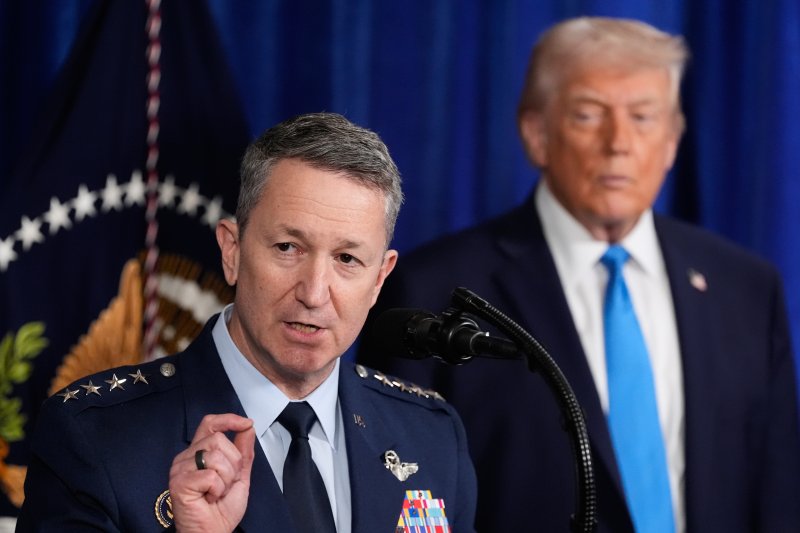
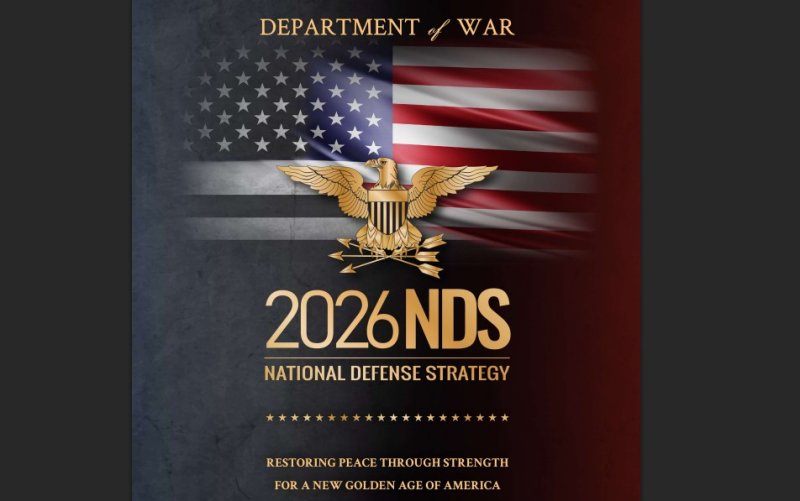
The new National Defense Strategy (NDS) released by the second Trump administration on the 23rd (local time) states that "South Korea should bear the primary responsibility for deterring North Korea." Elbridge Colby, Under Secretary of Defense for Policy of the United States, will visit South Korea for three days starting on the 25th, immediately after the NDS announcement.
Colby is known as a close aide to President Donald Trump and is reported to have played a key role in drafting the new National Defense Strategy. During his stay in Seoul, he is expected to brief senior South Korean officials in charge of foreign affairs and national security on the details of the new strategy.
In addition to the OPCON transfer, alliance issues such as expanding the flexibility of USFK are also likely to be discussed. The Lee Jae-myung administration has pledged to complete the transfer of wartime operational control within its term. In line with this, South Korea and the United States agreed to complete the second of the three verification stages for OPCON transfer this year.
Given the new U.S. National Defense Strategy, the OPCON transfer is expected to gain further momentum. The NDS explicitly states, "South Korea has the capability to assume primary responsibility for deterring North Korea, while receiving critical but more limited US support."
Colby may also again press for an increase in South Korea’s defense budget. The two countries agreed in a "Joint Factsheet" released in November last year to raise South Korea’s defense budget to 3.5% of its Gross Domestic Product (GDP).
Under the new U.S. National Defense Strategy, there is growing speculation that the role of USFK on the Korean Peninsula could shift in priority from deterring North Korea to countering China.
During his visit, Colby is also expected to tour Camp Humphreys, one of the United States military bases in South Korea located in Pyeongtaek, Gyeonggi Province. His trip is drawing attention as to whether it will trigger discussions between Seoul and Washington on changes to the size of USFK or on expanding its strategic flexibility.
The possible downsizing or postponement of the ROK-US Combined Military Exercise scheduled for March is also likely to be on the table. Until now, Minister of National Defense Ahn Gyu-back has maintained that the "Freedom Shield (FS)" combined exercise planned for March would proceed as laid out in the roadmap.
However, voices within South Korea’s pro-autonomy camp argue that the exercise should be postponed or canceled to facilitate potential North Korea–United States leaders’ talks, which could take place around April.
The latest NDS makes no mention of North Korea’s denuclearization. Under the previous Biden administration, the National Defense Strategy and the Nuclear Posture Review (NPR) were released together in 2022, and at that time the NPR explicitly set the goal of the complete and verifiable denuclearization of the Korean Peninsula.
[email protected] Kim Kyung-soo Reporter