32–5 shots, yet a loss to Vietnam: Foreign media stunned by the 'Jeddah disaster' as South Korea’s football is laid bare
- Input
- 2026-01-24 11:13:40
- Updated
- 2026-01-24 11:13:40
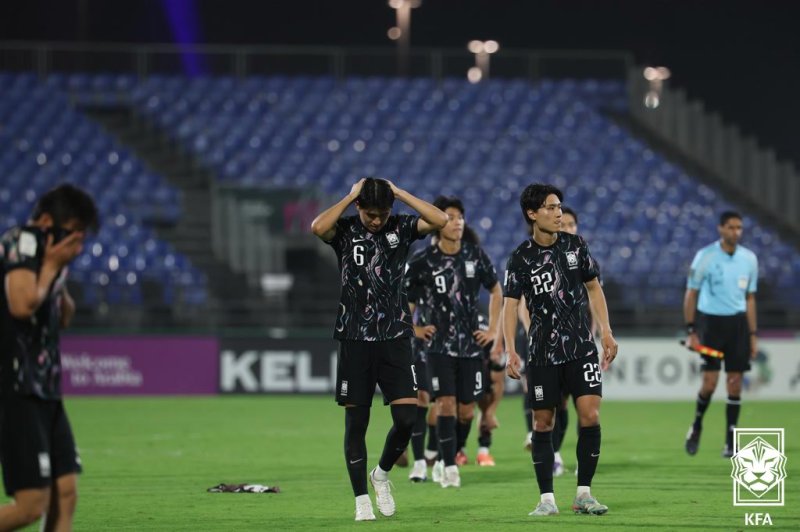
[Financial News] January 2026, in the port city of Jeddah, Saudi Arabia. This place will go down in the Republic of Korea’s sporting history as the scene of the so-called 'Jeddah disaster.'
It is not simply because South Korea lost a football match. This AFC U-23 Asian Cup has publicly signaled that South Korea, which had dominated Asian sports for half a century, has officially lost its status as a regional powerhouse.
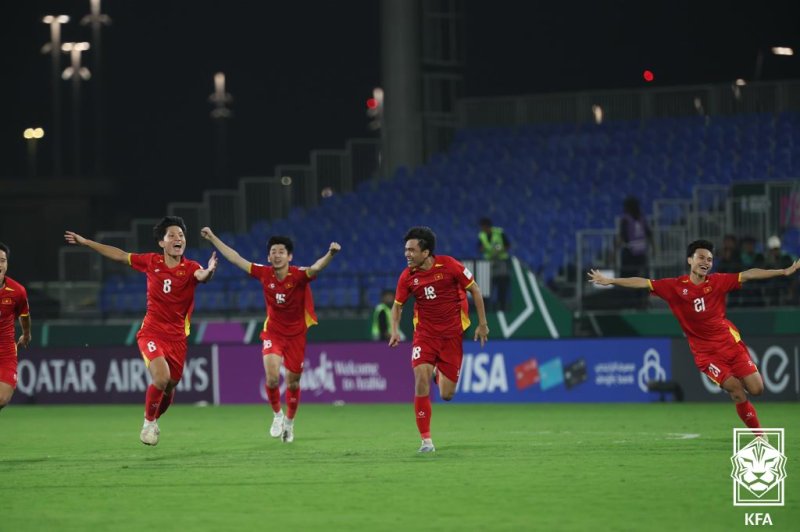
The story is brutal. In the semifinals, South Korea fell tamely to Japan’s second-string side made up of under-21 players. Then, in the third-place playoff, they suffered a first-ever defeat to Vietnam, a team they had long regarded as clearly, even far, inferior.
Even foreign correspondents watching on site were left shaking their heads. The shot count was 32 to 5. South Korea pummeled Vietnam for 120 minutes but failed to score. There was no technical superiority, no clinical finishing, and above all, no sense of intimidation that "we are the team that will win."
The so-called 'Korea-phobia'—when teams said, "My legs turn to jelly when we face South Korea"—is now a thing of the past. Asian teams increasingly see South Korea as an opponent they can take on, even as prey they can hunt down. The South Korean football witnessed in Jeddah was nothing more, and nothing less, than a toothless tiger.
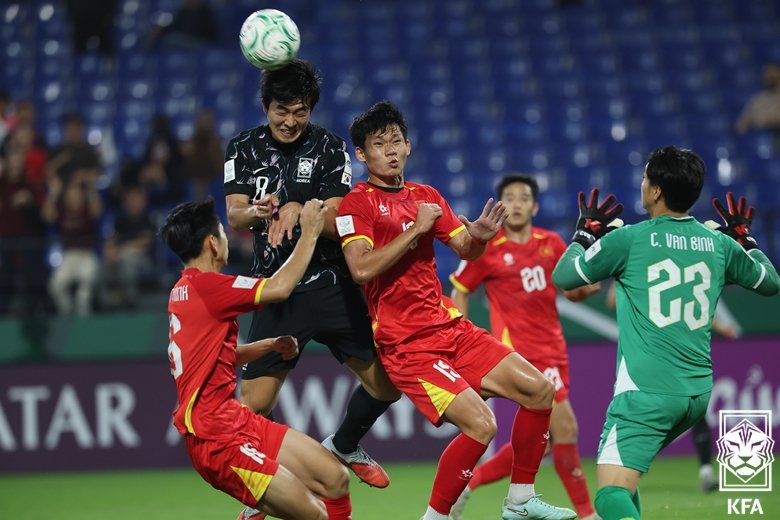
This tournament marked a turning point where the paths of the three Northeast Asian countries diverged sharply.
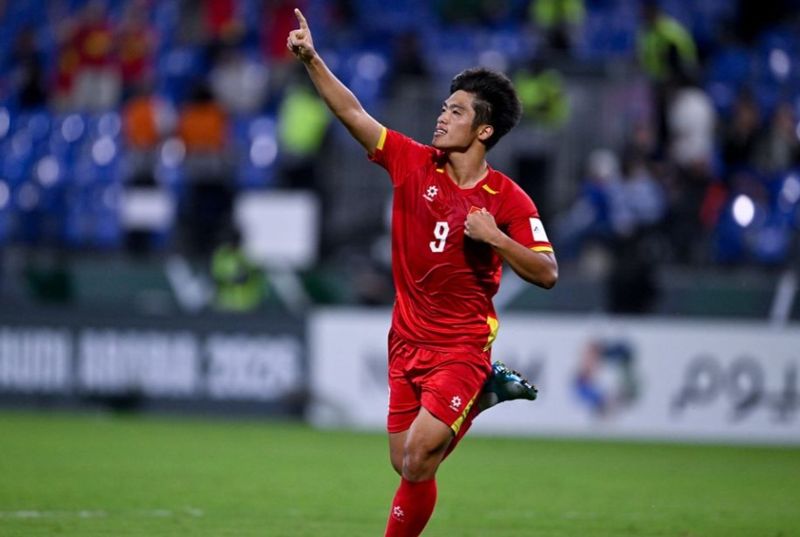
Japan meticulously planned for the future. With an eye on the Olympics, it had the luxury of sending players two years younger and still cruised into the final. It was a victory of the system. China chose pragmatism, finishing runners-up on the back of a suffocating defense that did not concede a goal in five matches, learning how to win rather than how to dazzle. Vietnam, under the guidance of South Korean coach Kim Sang-sik, stunned South Korea and signaled the rise of Southeast Asian football.
While neighboring countries evolved in their own ways, only South Korea stood still—or rather, moved backward. Clinging to outdated slogans about 'fighting spirit' and 'mental strength,' it missed tactical trends and ended up with the meager outcome of fourth place in Asia.
The international sports community is asking, "How can a country that has Premier League (EPL) Golden Boot winner Son Heung-min and FC Bayern Munich’s Kim Min-jae perform like this?"
The answer is clear. The presence of superstars has masked the rot at the roots of South Korean football. While a handful of exceptional, almost anomalous talents have raised the national flag in Europe, the youth development system and the competitiveness of the K League—South Korea’s backbone and future—have declined to a level comparable to Vietnam.
This so-called 'Jeddah disaster' has stripped away the glittering facade and exposed the grim reality of South Korean football.
Under the night sky of Jeddah, Saudi Arabia, South Korean players could not lift their heads. But the real fear begins now. This defeat may not be a one-off accident, but a trailer for a structural disaster that will keep unfolding.
South Korea is now in a position where it hopes to avoid Japan in World Cup qualifying, worries about China’s defense, and fears Vietnam’s counterattacks.
The 'tiger of Asia' died in Jeddah. Standing over it, we are confronted with a harsh reality. Without bold, transformative reform, it is only a matter of time before South Korean football is pushed to the periphery of Asian football. In fact, it may already have been pushed out.
[email protected] Jeon Sang-il Reporter